 Lichtspiel Opus 1
Studies
The screening that started a career
A young engineer watched Ruttmann's painted shapes move in a Frankfurt cinema in 1921 and set out to make abstract films of his own.
The German abstract film of the 1920s: shape, line and light moved to rhythm with no story, named after absolute music.
The name borrows from absolute music, music that refers to nothing outside itself. In Germany in the early 1920s three painters, Walter Ruttmann, Viking Eggeling and Hans Richter, set painted, drawn and cut-out forms moving frame by frame. Ruttmann's Lichtspiel Opus 1 opened in Berlin in April 1921, while Eggeling and Richter worked from long scroll drawings.
On 3 May 1925 the Novembergruppe's matinee Der absolute Film sold out a 900-seat Ufa cinema on the Kurfürstendamm, with Eggeling's Symphonie Diagonale, Ruttmann's Opus films and Ludwig Hirschfeld-Mack's live colour-light play. It was repeated a week later. Oskar Fischinger, who had seen Ruttmann's Opus 1 in Frankfurt in 1921, carried the idea on with his Studies from 1929.
In the order they were made. Runtimes are approximate.
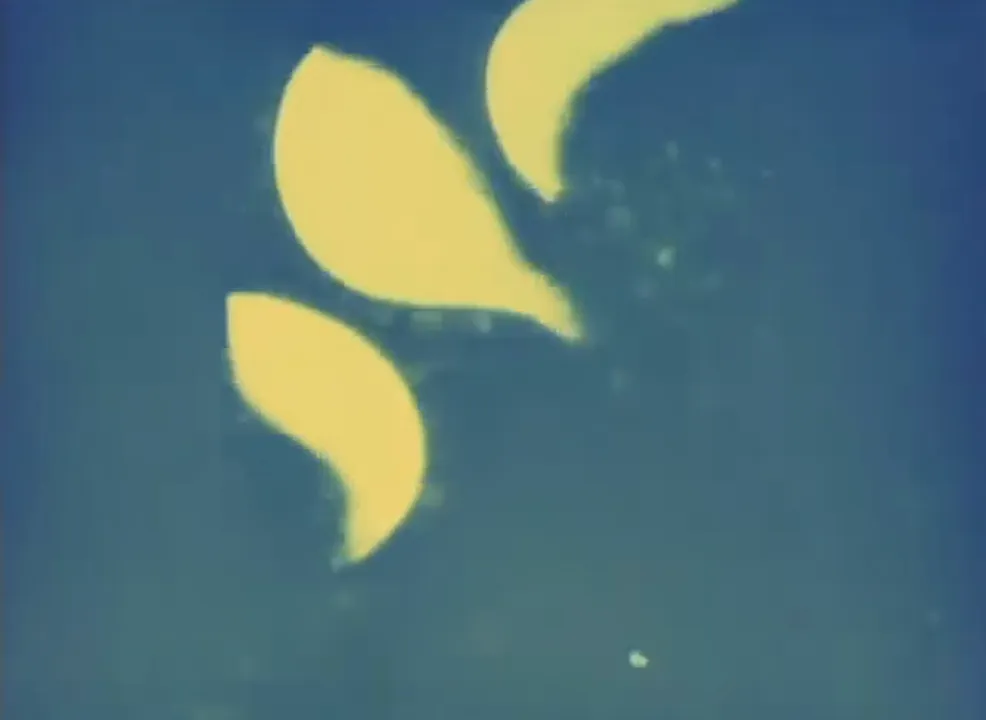
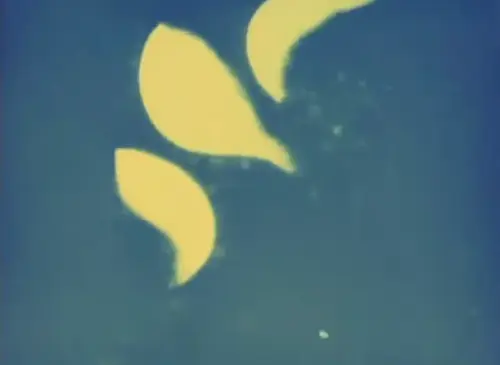
Shapes painted on glass and cut from paper swell, collide and sweep across the screen, coloured by toning, tinting and hand-colouring. At its screenings Ruttmann played cello in the string quintet performing Max Butting's score.
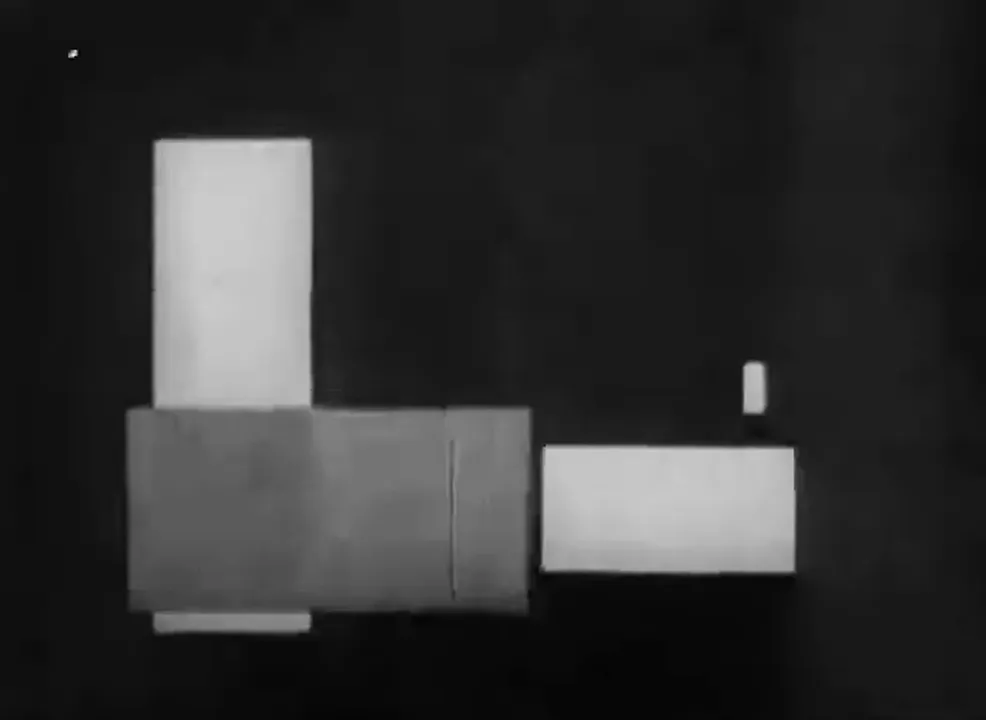
Black and white rectangles grow, shrink and slide past each other until the screen itself seems to move. Richter dated it 1921, but its first documented screening was at a Dada soirée at the Théâtre Michel in Paris in July 1923.
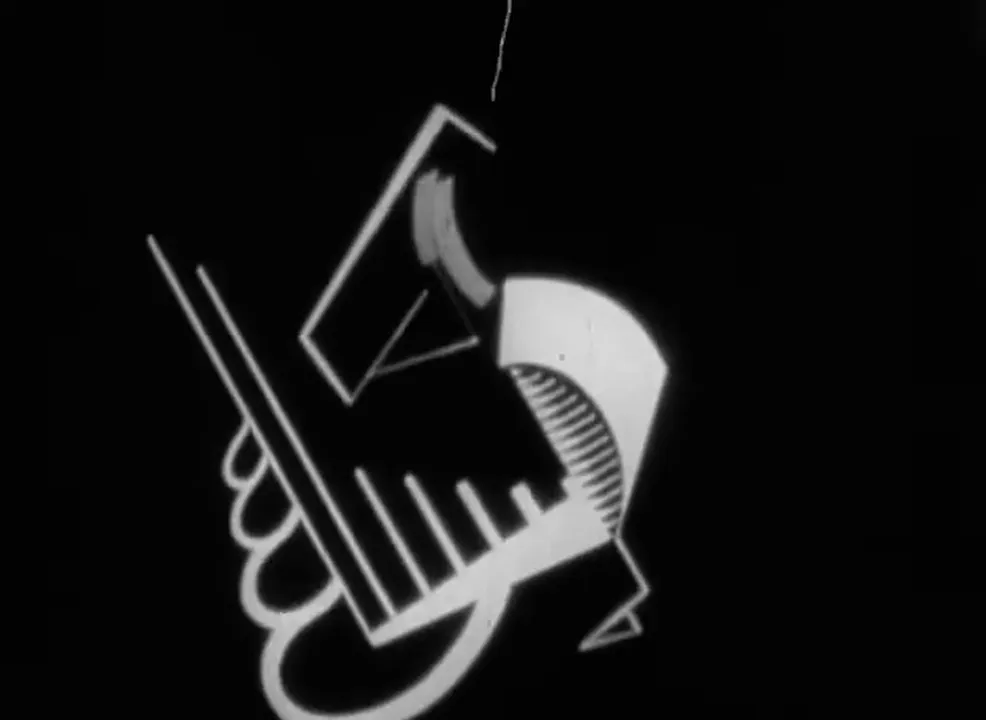
Lines, arcs and comb shapes sprout from tilted forms, vanish and start again in cycles of a second or two. Erna Niemeyer animated it from Eggeling's drawings by snipping tin-foil cut-outs a fraction at a time between frames.
The last of Ruttmann's Lichtspiel series: bars, lines and geometric shapes advance and pile up in time with the cutting. It had its first German showing at the Der absolute Film matinee in Berlin on 3 May 1925.
Lines from these films into work you may already know.
Movements, forms and techniques that share filmmakers or methods with this one.
Animation without characters or objects: pure shape, line and colour set in motion.
Moving abstraction composed like music, with shape, colour and rhythm in place of melody and harmony.
Documentary portraits of a city, often over a single day, cut to rhythm like music, with no actors or plot.
The anti-art movement born in a Zurich cabaret in 1916, which answered the First World War with nonsense, chance and provocation.