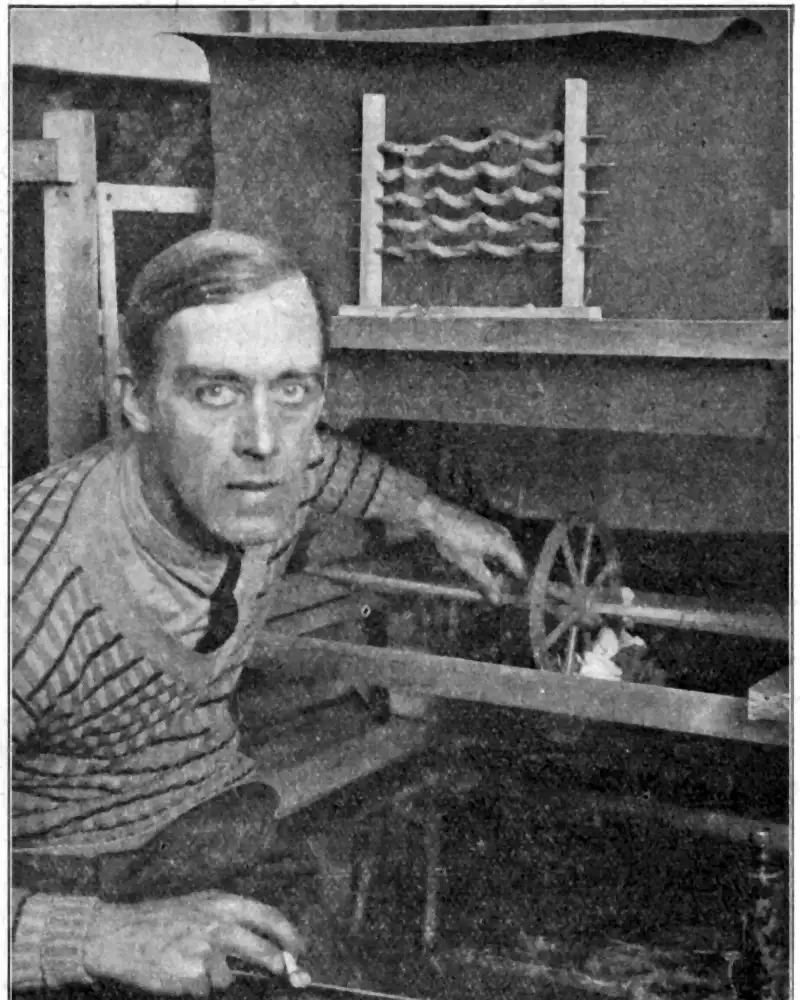
Walter Ruttmann
- 1921Lichtspiel Opus 1
- 1927Berlin
- 1925Opus IV
Echoed in
- Studies1929
He put painted shapes on a cinema screen in 1921, cut a day in Berlin into a symphony, made a film with no pictures, then made films for the Nazis.
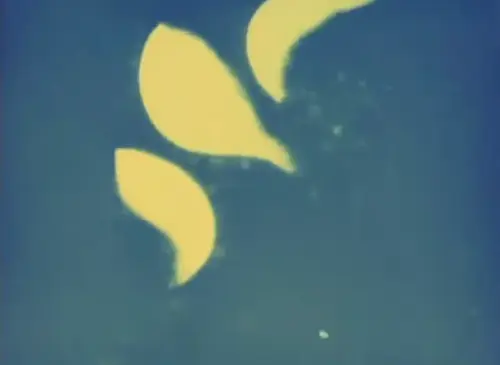
Ruttmann studied architecture in Zurich and painting in Munich, and served on the Eastern Front in the First World War. He then painted single frames on glass and filmed them with cut-outs, and Lichtspiel Opus 1, shown at the Marmorhaus in Berlin in April 1921, is often cited as the first abstract film screened in public. Opus II, III and IV followed by 1925, and he made backgrounds for Lotte Reiniger's The Adventures of Prince Achmed (1926) using a wax-slicing machine licensed from Oskar Fischinger.
Berlin: Symphony of a Metropolis (1927) turned a single day in the city into five acts of trains, machines, crowds and traffic, and gave the city symphony its name. Weekend (1930), commissioned by Berlin radio and broadcast on 13 June 1930, is a film with no images at all: about eleven minutes of street noise, voices and silence recorded on optical sound film and cut like a montage.
After 1933 he stayed in Germany and worked for the regime. He made Blut und Boden (1933), worked on Leni Riefenstahl's Triumph of the Will until Hitler removed him from it in December 1934, and went on to industrial films and war propaganda such as Deutsche Panzer (1940). He died in Berlin in July 1941, of an embolism after an operation.
Where to start with Walter Ruttmann, in the order they were made. Runtimes are approximate.
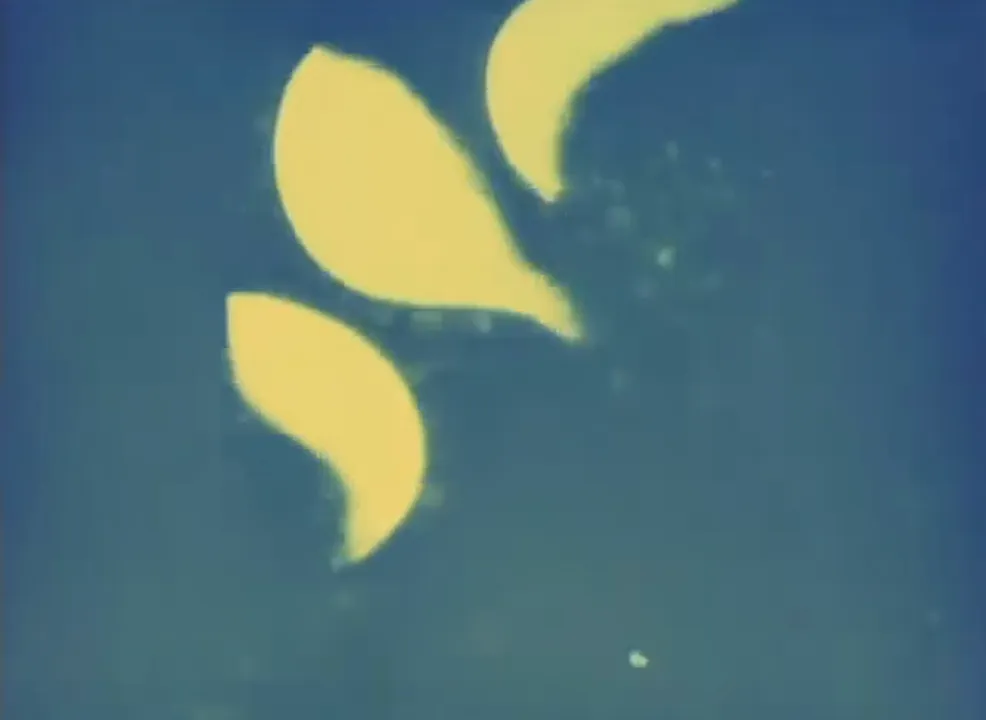
Shapes painted on glass and cut from paper swell, collide and sweep across the screen, coloured by toning, tinting and hand-colouring. At its screenings Ruttmann played cello in the string quintet performing Max Butting's score.
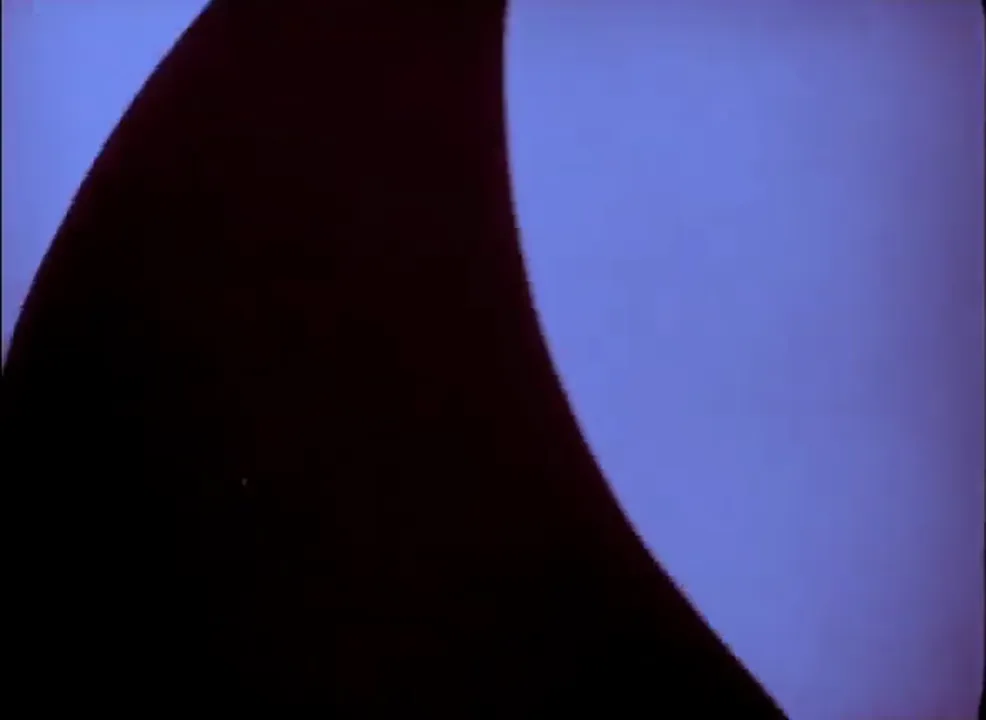
The last of Ruttmann's Lichtspiel series: bars, lines and geometric shapes advance and pile up in time with the cutting. It had its first German showing at the Der absolute Film matinee in Berlin on 3 May 1925.
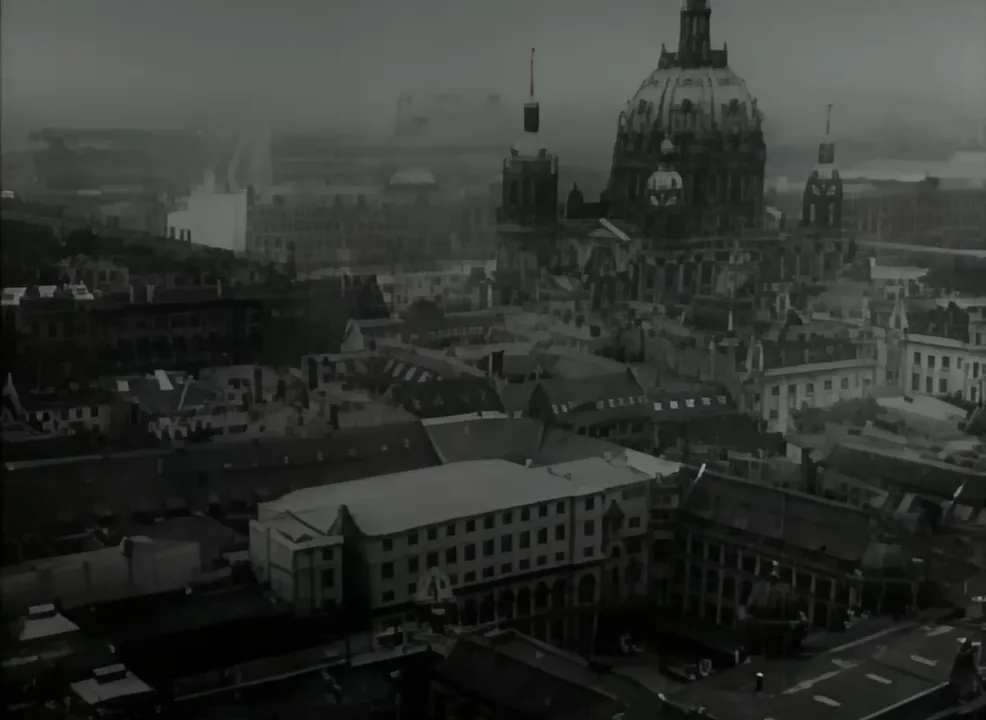
A train races into Berlin at dawn and the city's day unfolds in five acts, from empty streets and factory shifts to lunch, traffic and nightlife. Carl Mayer and Karl Freund worked on the idea with Ruttmann, and Edmund Meisel wrote an orchestral score for its release.
Where Ruttmann's ideas turned up next.