Dada
The anti-art movement born in a Zurich cabaret in 1916, which answered the First World War with nonsense, chance and provocation.
Hugo Ball and Emmy Hennings opened the Cabaret Voltaire in Zurich in February 1916, where Tristan Tzara, Hans Arp, Marcel Janco and Richard Huelsenbeck staged sound poems, masks and noise. Dada spread to Berlin, Paris and New York, where Marcel Duchamp and Man Ray were already working in the same spirit.
Film came late. At the Soirée du Cœur à Barbe in Paris in July 1923, the last big Dada evening, Hans Richter's Rhythmus 21 shared the bill with Man Ray's Le Retour à la raison. René Clair and Francis Picabia's Entr'acte (1924) and Richter's Ghosts Before Breakfast (1928) carried the spirit on after many of its artists had moved to Surrealism.
Films to start with
In the order they were made. Runtimes are approximate.
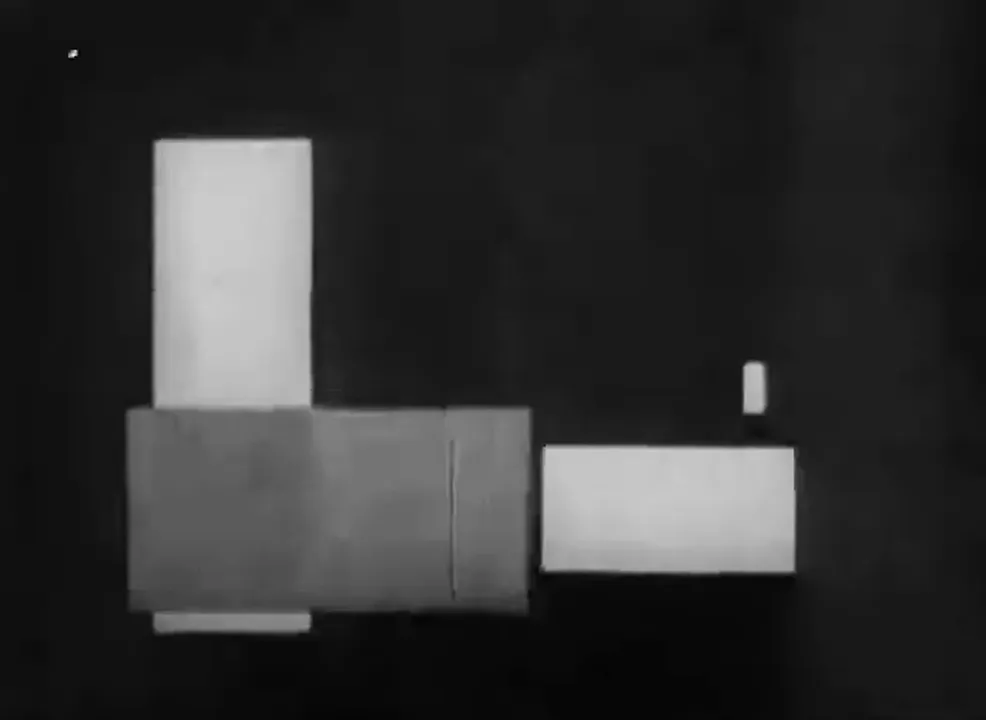
Rhythmus 21
Black and white rectangles grow, shrink and slide past each other until the screen itself seems to move. Richter dated it 1921, but its first documented screening was at a Dada soirée at the Théâtre Michel in Paris in July 1923.
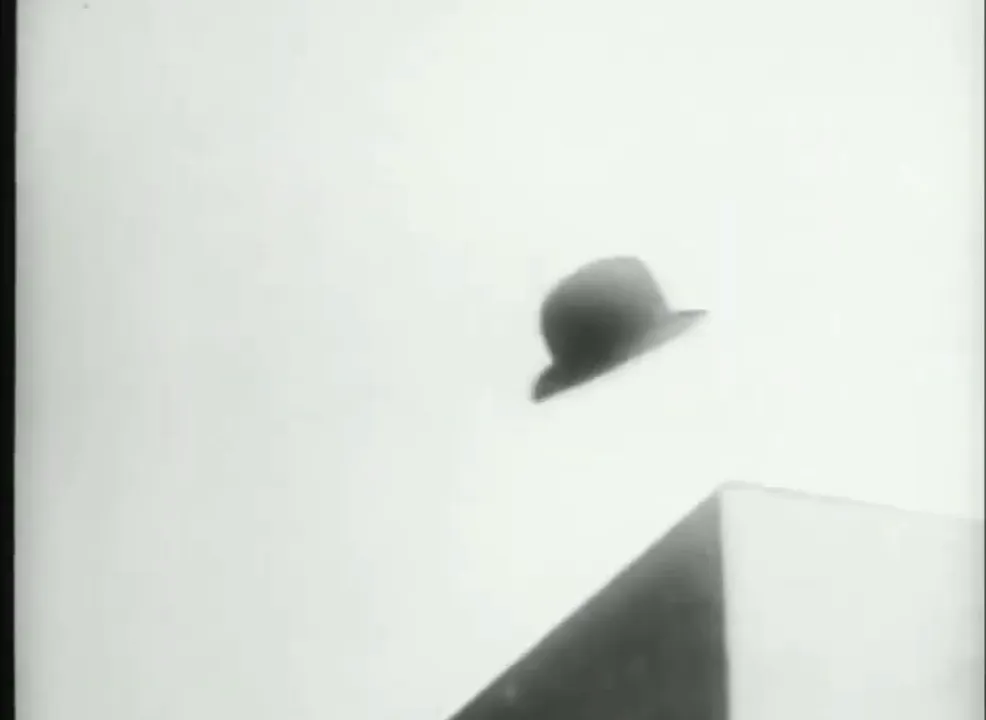
Ghosts Before Breakfast
Bowler hats fly off and float out of reach, a bow tie unties itself and a clock ticks towards noon as everyday objects rebel against their owners. It was made for the 1928 music festival in Baden-Baden, and Paul Hindemith's score for it is lost.
Nearby
Movements, forms and techniques that share filmmakers or methods with this one.