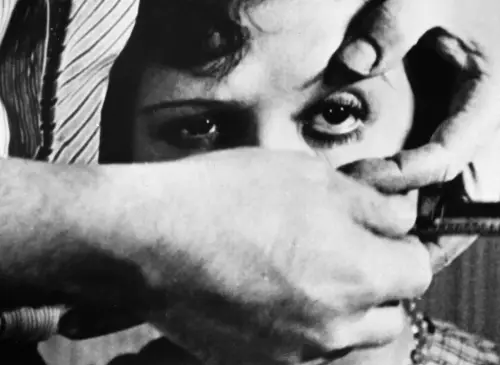
 Un Chien Andalou
Isolar tour
The opening act was a razor
Every show on Bowie's 1976 Isolar tour began with a screening of Un Chien Andalou. He walked on stage as it ended.
The movement launched in Paris in 1924 to free the unconscious, whose artists saw in film a machine for dreams.
André Breton's Manifesto of Surrealism called for art guided by dreams and chance rather than reason. Film suited it: a cut could join any two images, and a projected film already felt like a dream shared in the dark.
Germaine Dulac's The Seashell and the Clergyman and Man Ray's films came first, but Luis Buñuel and Salvador Dalí's Un Chien Andalou became the movement's defining film. Its imagery, from the sliced eye to the ants in a palm, still turns up in films, album covers and stage shows.
In the order they were made. Runtimes are approximate.
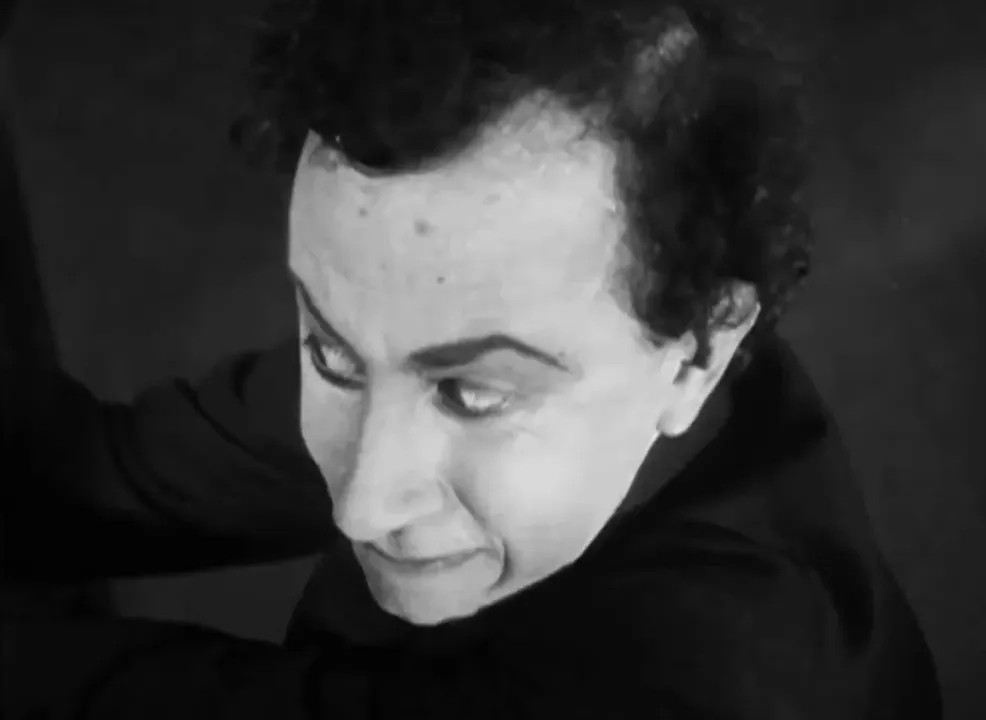
A clergyman chases a general's wife through a ballroom, a confessional and a run of breaking glass, and at one point tears open her blouse to find a seashell. Antonin Artaud wrote the scenario, and Surrealists broke up its Paris premiere.
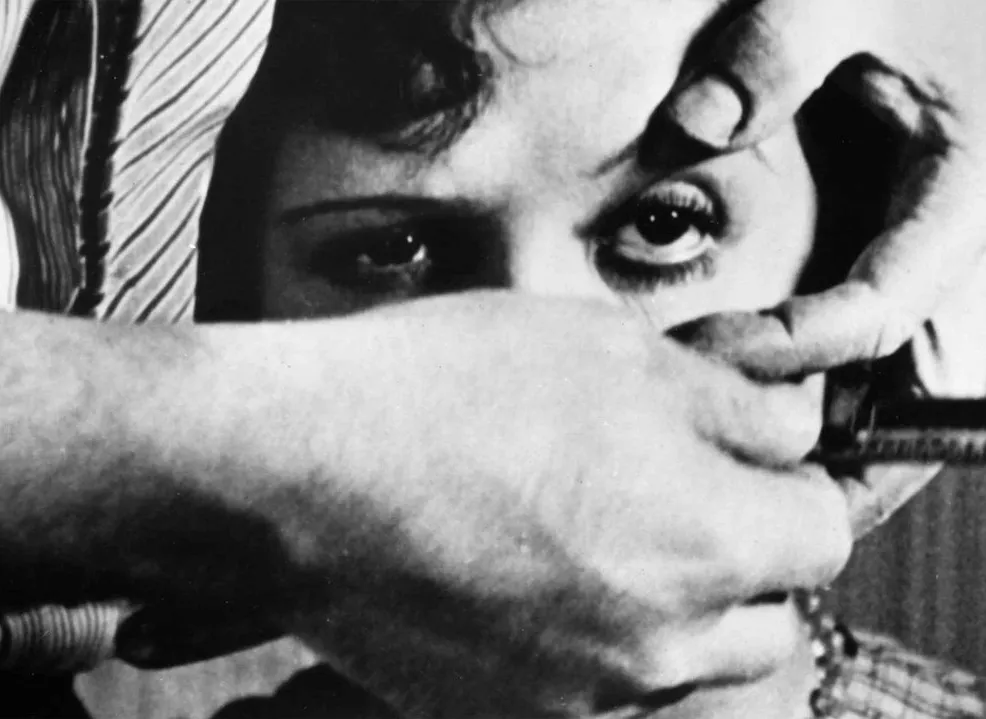
Written with Salvador Dalí. A razor slices an eye, ants pour from a hand, and a man drags two pianos loaded with dead donkeys across a room.
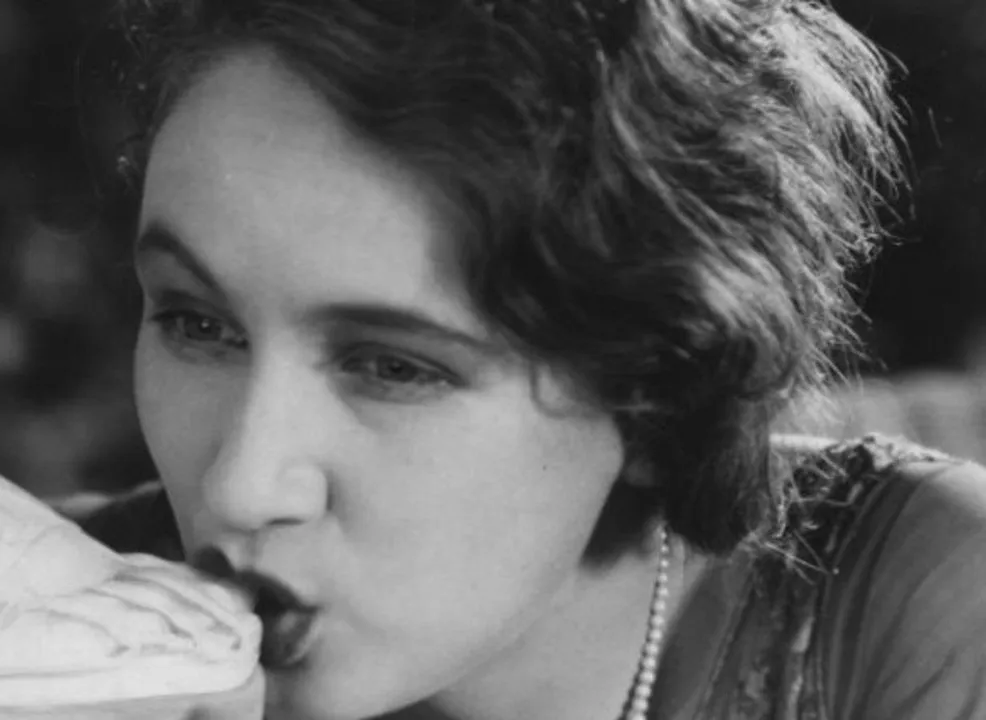
Two lovers keep being pulled apart by church, family and state. Right-wing protesters wrecked the Paris cinema showing it, and the police banned it within weeks.
Three dialogues: heads built from food and tools in the manner of Arcimboldo chew each other into identical paste, two clay lovers melt together and then fight, and two clay heads push out mismatched objects from their tongues. It won the Golden Bear for best short film at Berlin in 1983.
Lines from these films into work you may already know.
Un Chien AndalouEvery show on Bowie's 1976 Isolar tour began with a screening of Un Chien Andalou. He walked on stage as it ended.
The Quay brothers met Švankmajer's films in 1983 and made a short in his honour the next year, with his name in the title.
Movements, forms and techniques that share filmmakers or methods with this one.
The anti-art movement born in a Zurich cabaret in 1916, which answered the First World War with nonsense, chance and provocation.
Paris filmmakers of the 1920s who used close-ups, superimposition, distortion and fast cutting to put a character's feelings and memories on screen.
Films where a dreamer drifts through a world that runs on the logic of sleep, and the camera follows them in.
The film industry of Mexico, where Luis Buñuel made about twenty films after settling there in 1946.
Animation made by photographing objects or images one frame at a time, moving them a little between shots.