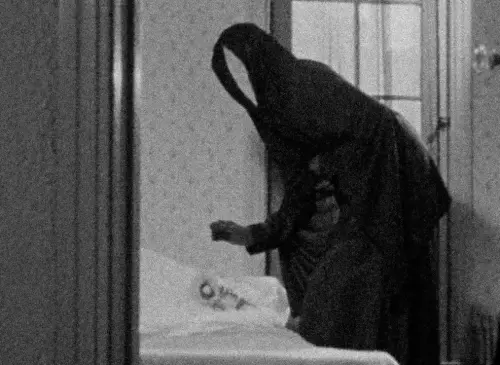
 Meshes of the Afternoon
Lost Highway
The dream that loops back on itself
A woman relives the same afternoon, each time meeting another version of herself. Critics have long traced Lynch's doubled, looping nightmares back to it.
Films where a dreamer drifts through a world that runs on the logic of sleep, and the camera follows them in.
P. Adams Sitney named the trance film in Visionary Film, his 1974 history of the American avant-garde. Its hero is a sleepwalker or dreamer moving through a world that bends around their desires and fears, and the film's form follows the dream rather than the clock.
Maya Deren's Meshes of the Afternoon is the model. Kenneth Anger's Fireworks, made four years later, follows a dreamer of its own. Both were made at home, on almost no money.
In the order they were made. Runtimes are approximate.
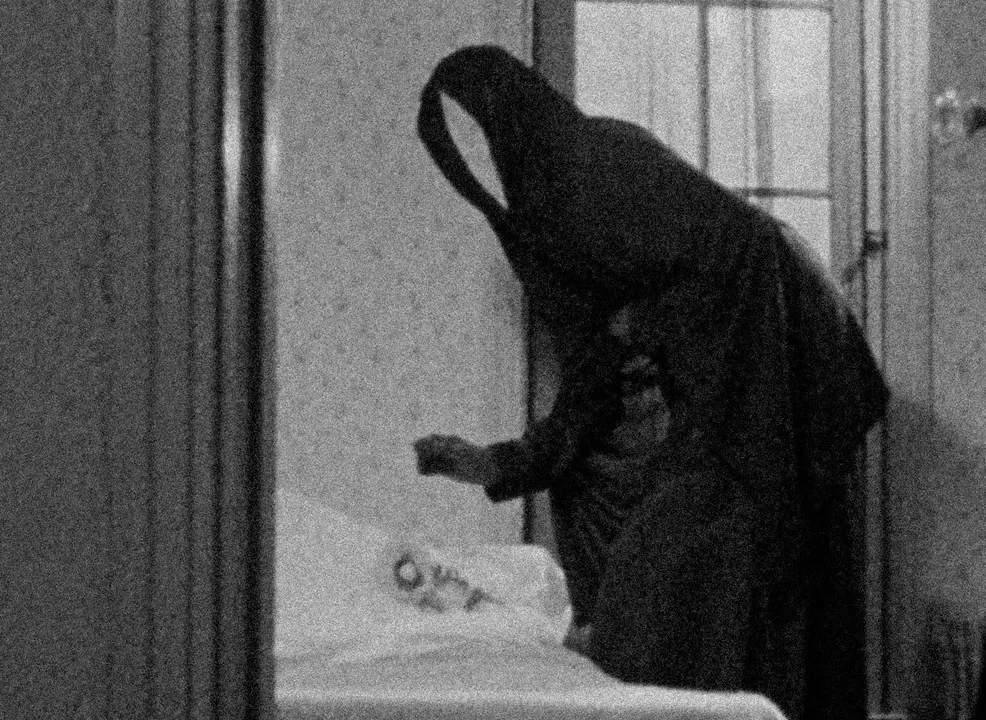
Made with Alexander Hammid. A woman falls asleep and the afternoon starts again: a key, a knife, a flower, a figure with a mirror for a face. Teiji Ito's score was added in 1959.
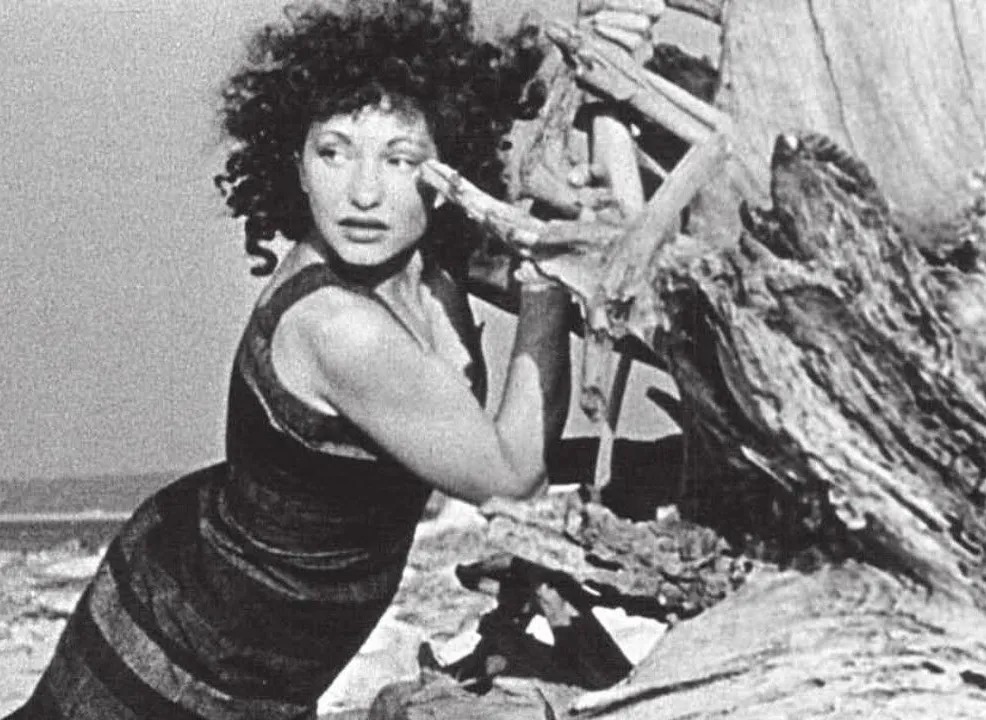
Deren washes up on a beach and climbs straight onto a banquet table. Every cut moves her somewhere new while her movement carries on unbroken.
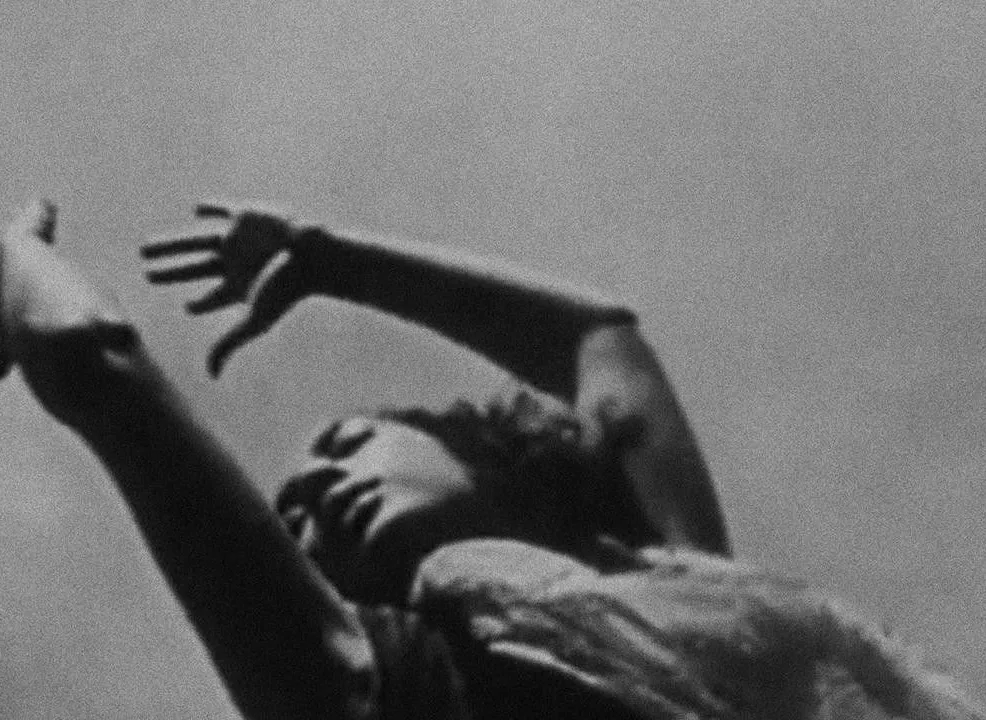
A party turns into a dance, and a dance into a pursuit. Deren uses freeze frames and slow motion to make social ritual look like choreography.
Lines from these films into work you may already know.
Movements, forms and techniques that share filmmakers or methods with this one.
The movement launched in Paris in 1924 to free the unconscious, whose artists saw in film a machine for dreams.
The name the press gave American experimental film in the 1960s, when it moved into midnight screenings, court cases and the culture pages.
Dance made for the camera, where the cut and the frame are part of the choreography.