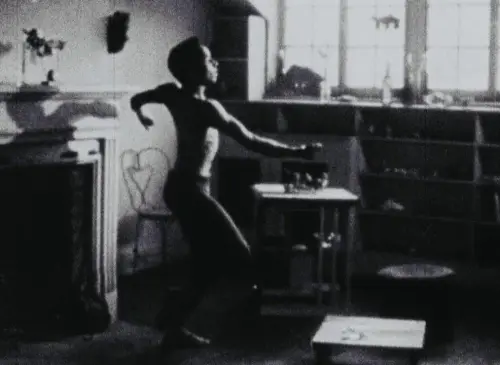
 A Study in Choreography for Camera
Dance for camera
Dance that only exists on film
A dancer starts a move in a forest and lands it in a living room. Three minutes long, it's routinely taught as a founding work of screendance.
Dance made for the camera, where the cut and the frame are part of the choreography.
A filmed performance records a dance that exists without the camera. Screendance makes a dance that could only exist on screen: a step that starts in one place and ends in another, a body slowed, repeated or cut to a new rhythm.
Maya Deren's three-minute A Study in Choreography for Camera, made with the dancer Talley Beatty in 1945, is usually named as the first. The field now has its own festivals, journals and courses, and goes by several names: dance film, dance for camera, videodance.
In the order they were made. Runtimes are approximate.
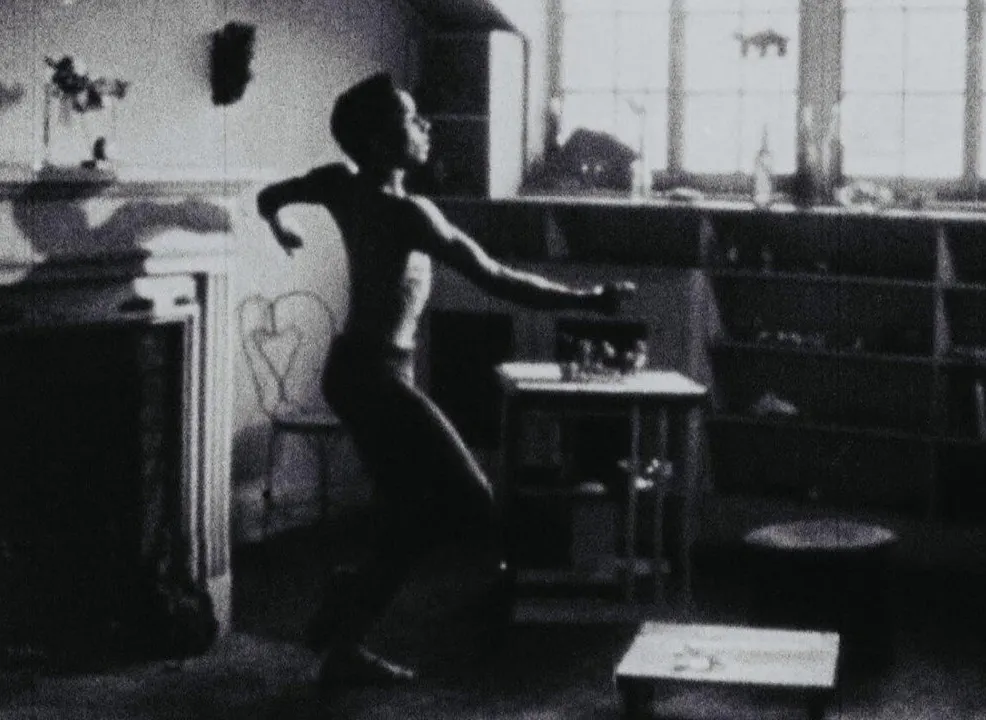
The dancer Talley Beatty begins a movement in a forest and finishes it in a living room. A few minutes long, and one of the first films to treat dance as something made for the camera.
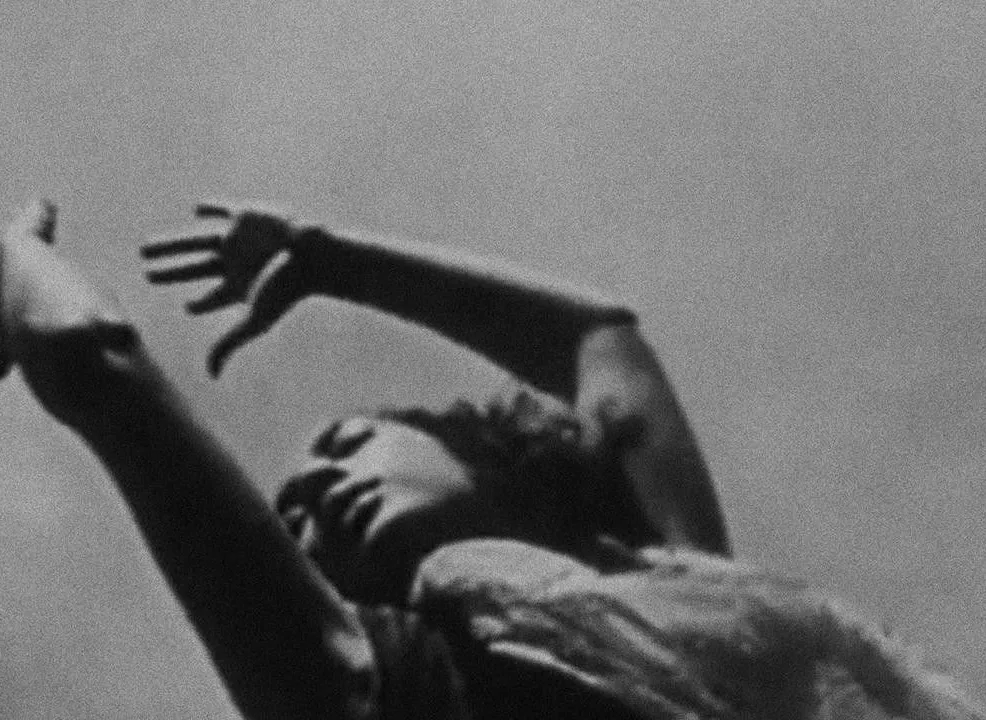
A party turns into a dance, and a dance into a pursuit. Deren uses freeze frames and slow motion to make social ritual look like choreography.
Lines from these films into work you may already know.
Movements, forms and techniques that share filmmakers or methods with this one.