Maya Deren
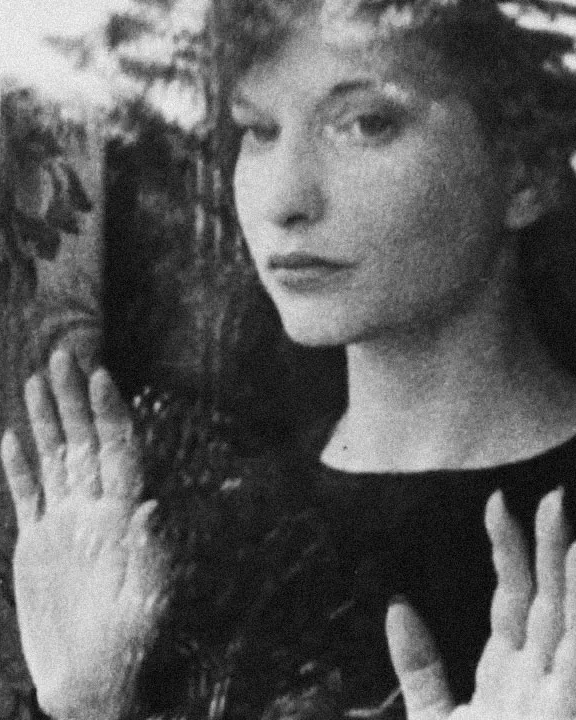
- 1943Meshes of the Afternoon
- 1944At Land
- 1946Ritual in Transfigured Time
Echoed in
- Lost Highway1997
She made films that move like dreams, on almost no money, and filmmakers have been borrowing her tricks ever since.
Deren arrived in the United States as a child, studied literature and poetry, and picked up a 16mm Bolex in the early 1940s. Her first film, Meshes of the Afternoon, made with Alexander Hammid in their Los Angeles home, loops a woman through the same afternoon again and again, each pass a little stranger.
She used the camera like a choreographer. Cuts carry a body from a beach to a dining table in a single step; time stretches and folds. Deren wrote and lectured as forcefully as she filmed, and she fought for a network of screenings and grants for independent work at a time when almost none existed.
She spent years in Haiti filming and studying Vodou ritual, later published as Divine Horsemen. She died in 1961, at 44.
Where to start with Maya Deren, in the order they were made. Runtimes are approximate.
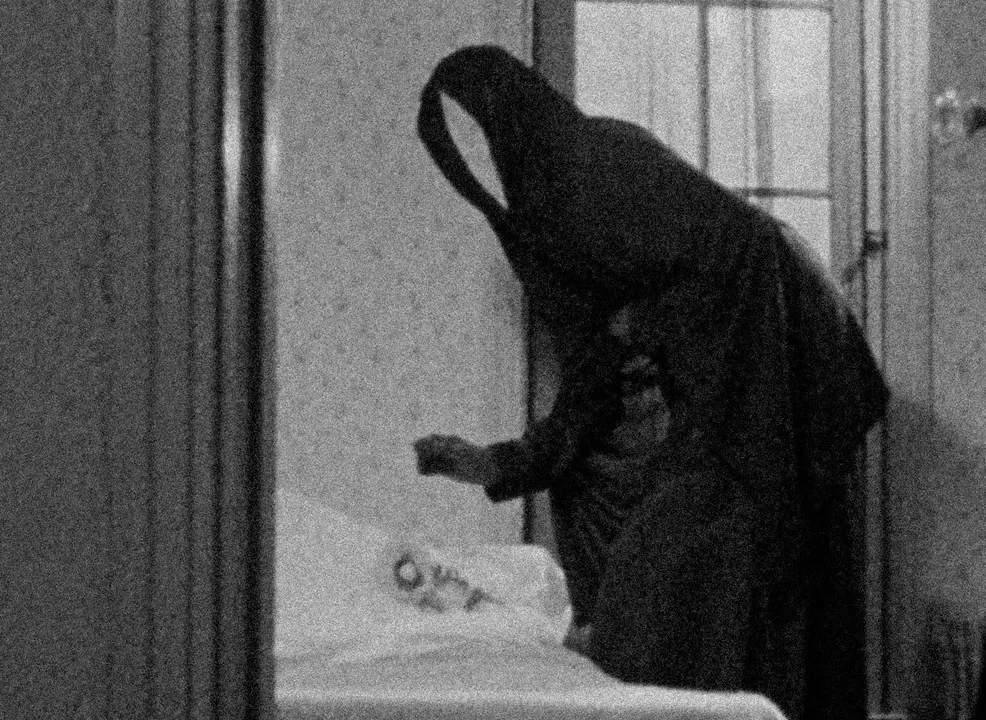
Made with Alexander Hammid. A woman falls asleep and the afternoon starts again: a key, a knife, a flower, a figure with a mirror for a face. Teiji Ito's score was added in 1959.
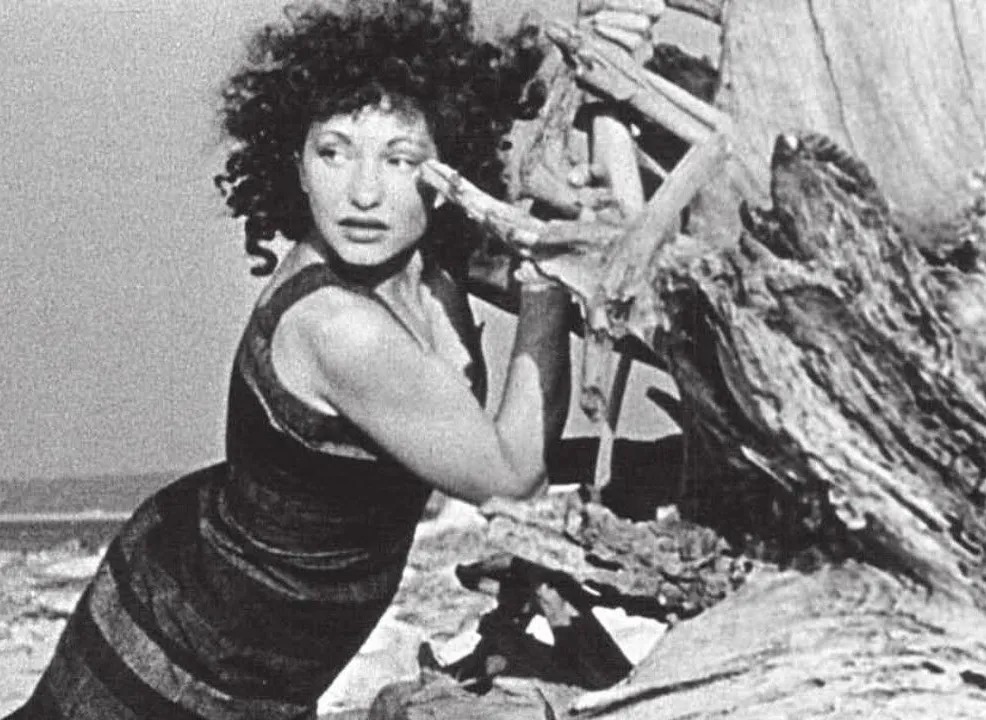
Deren washes up on a beach and climbs straight onto a banquet table. Every cut moves her somewhere new while her movement carries on unbroken.
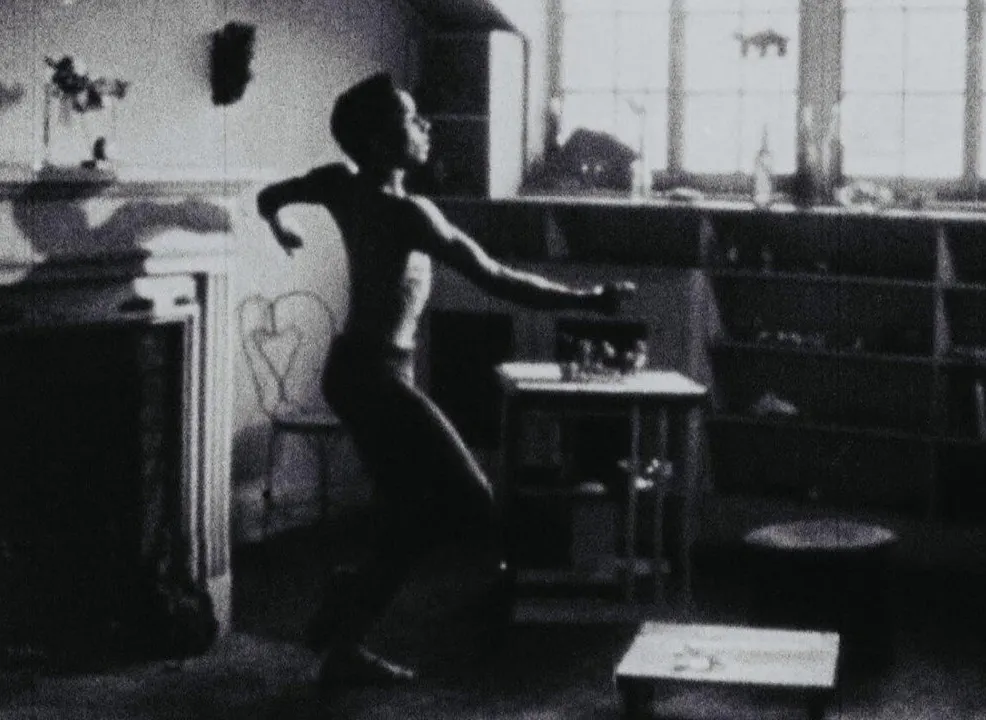
The dancer Talley Beatty begins a movement in a forest and finishes it in a living room. A few minutes long, and one of the first films to treat dance as something made for the camera.
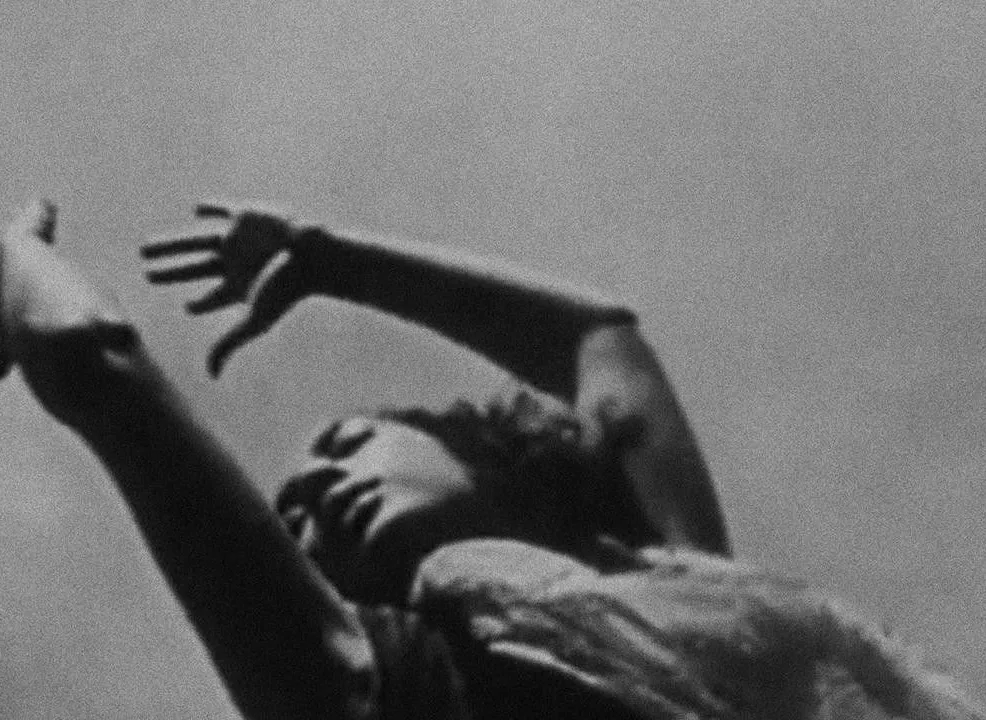
A party turns into a dance, and a dance into a pursuit. Deren uses freeze frames and slow motion to make social ritual look like choreography.
Where Deren's ideas turned up next.
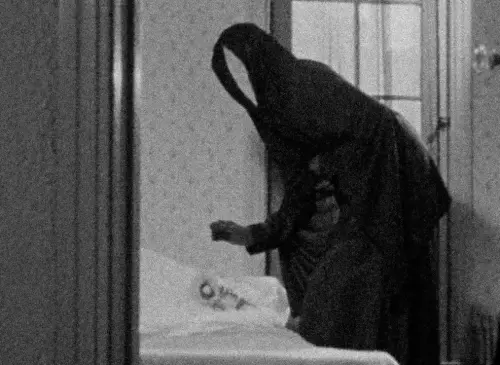 Meshes of the Afternoon
A woman relives the same afternoon, each time meeting another version of herself. Critics have long traced Lynch's doubled, looping nightmares back to it.
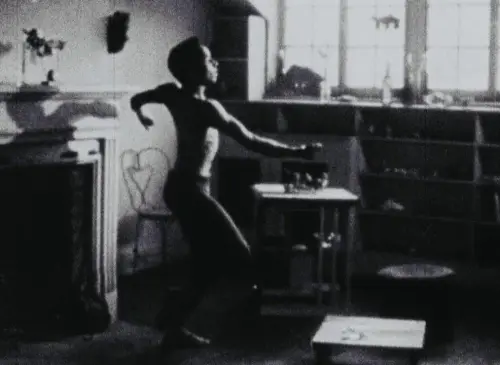 A Study in Choreography for Camera
A dancer starts a move in a forest and lands it in a living room. Three minutes long, it's routinely taught as a founding work of screendance.