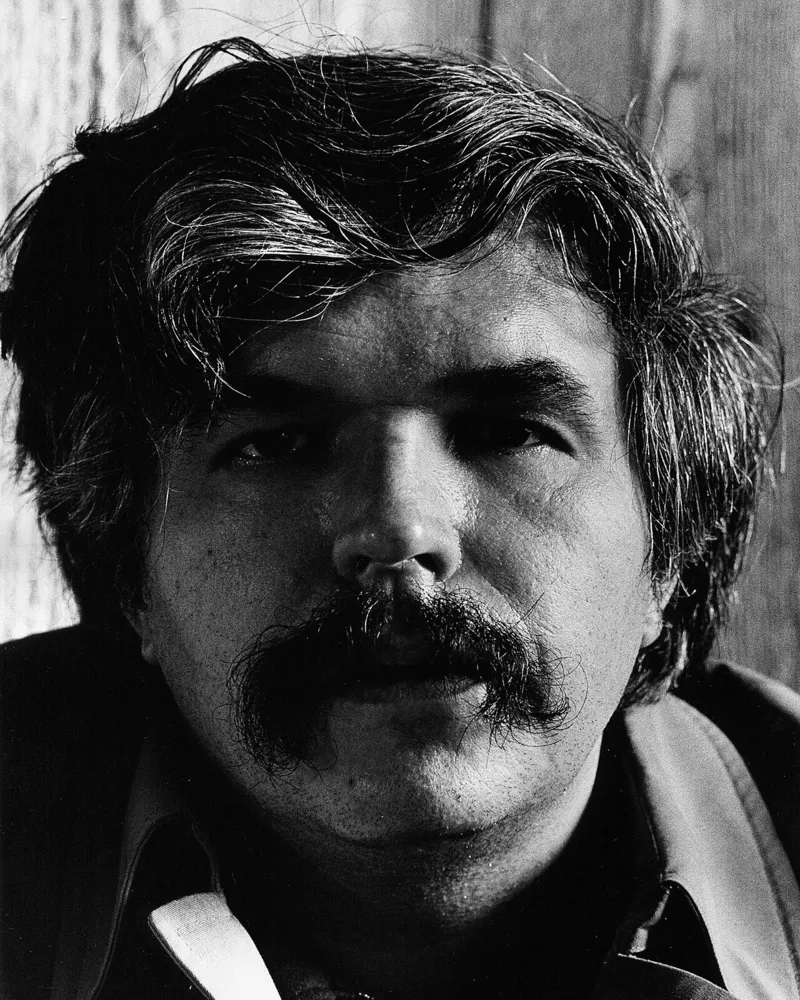
Stan Brakhage
- 1963Mothlight
- 1964Dog Star Man
- 1959Window Water Baby Moving
Echoed in
- Se7en1995
He painted, scratched and baked the film itself, chasing what the eye sees before it learns to name things.
Brakhage made several hundred films across fifty years, most of them silent and many only a few minutes long. He wanted cinema to show seeing itself: light on closed eyelids, the blur of a child's first look, colour before it becomes an object.
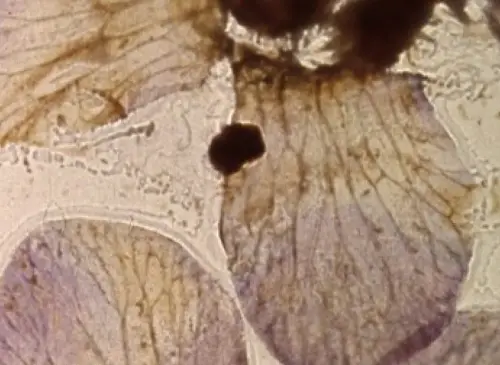
To get there he went to the film strip directly. Mothlight was made without a camera at all, by pressing moth wings, leaves and petals between strips of tape. Later works were painted frame by frame. He filmed the birth of his own child and, in The Act of Seeing with One's Own Eyes, autopsies in a Pittsburgh morgue.
He taught for decades at the University of Colorado, and his hand-worked surfaces turned up, a generation later, in title sequences and music videos.
Where to start with Stan Brakhage, in the order they were made. Runtimes are approximate.
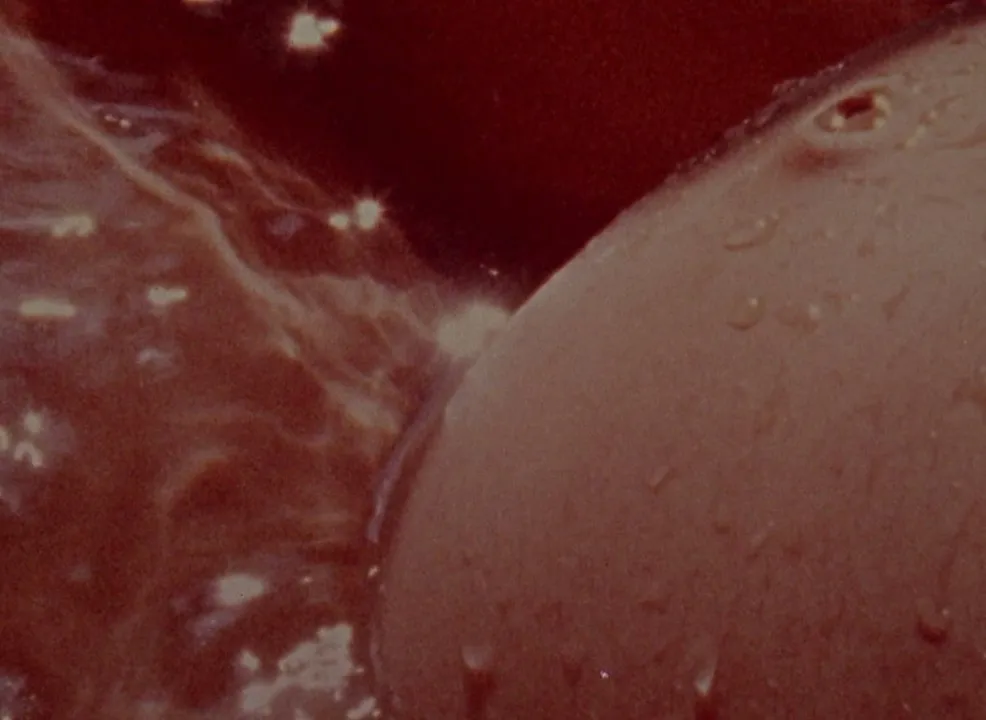
The birth of Brakhage's first child, filmed by him in their home. Light through a window and water in a bath frame a sequence that's frank and tender at once.
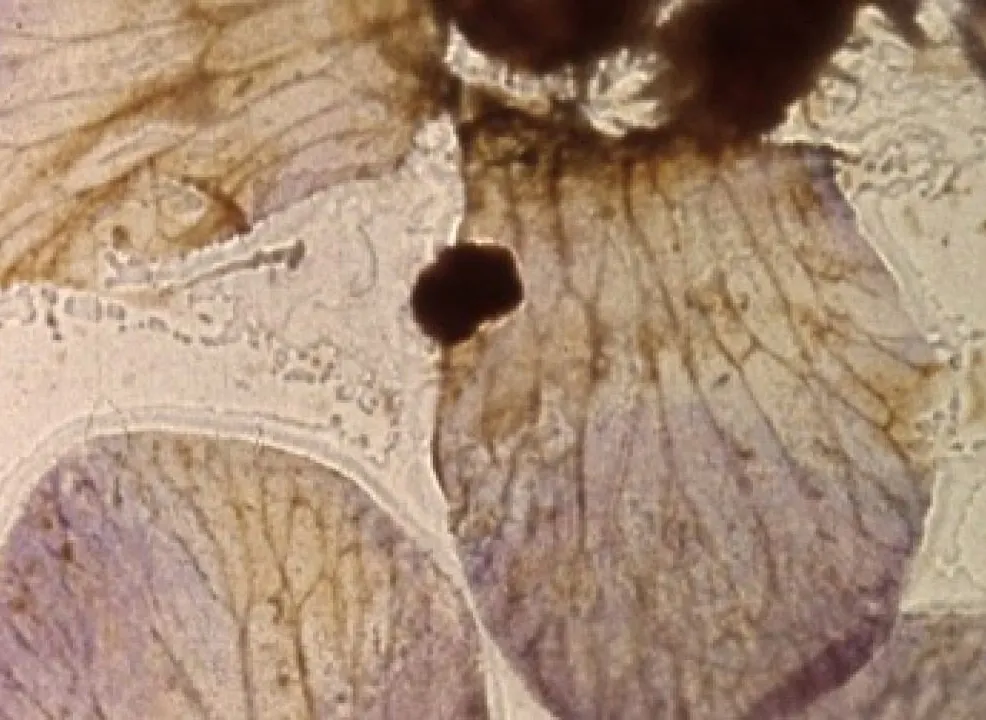
No camera. Moth wings, petals, leaves and seeds pressed between strips of clear tape and run through a printer, flickering past like something trying to reach the light.
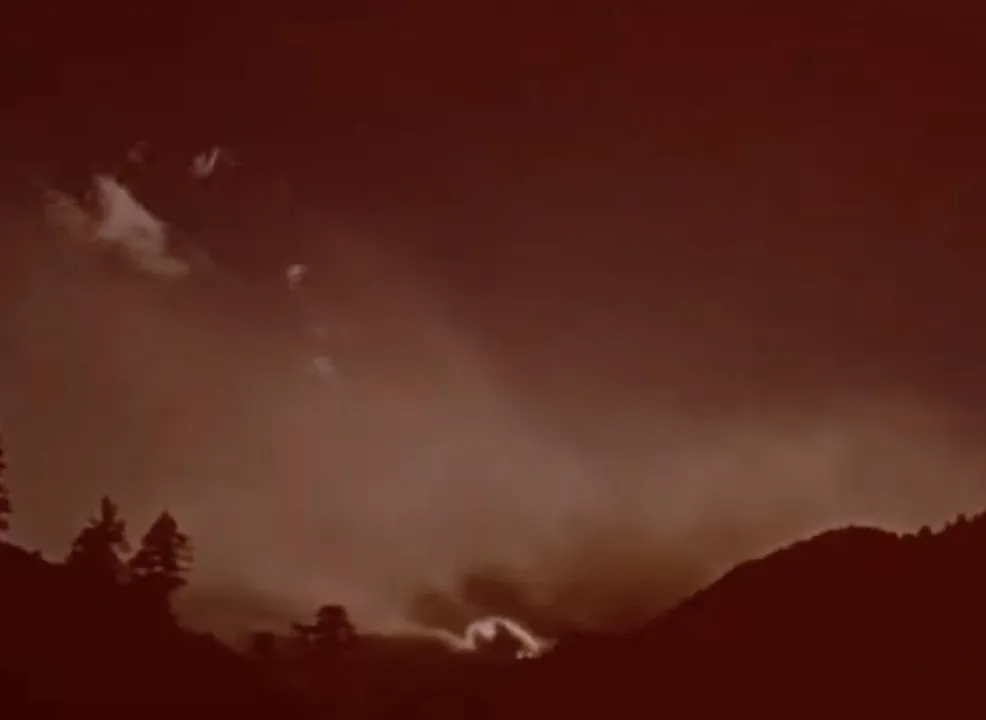
Made between 1961 and 1964 in a prelude and four parts. A man climbs a snowy mountain with his dog, layered with up to four superimposed images at once.
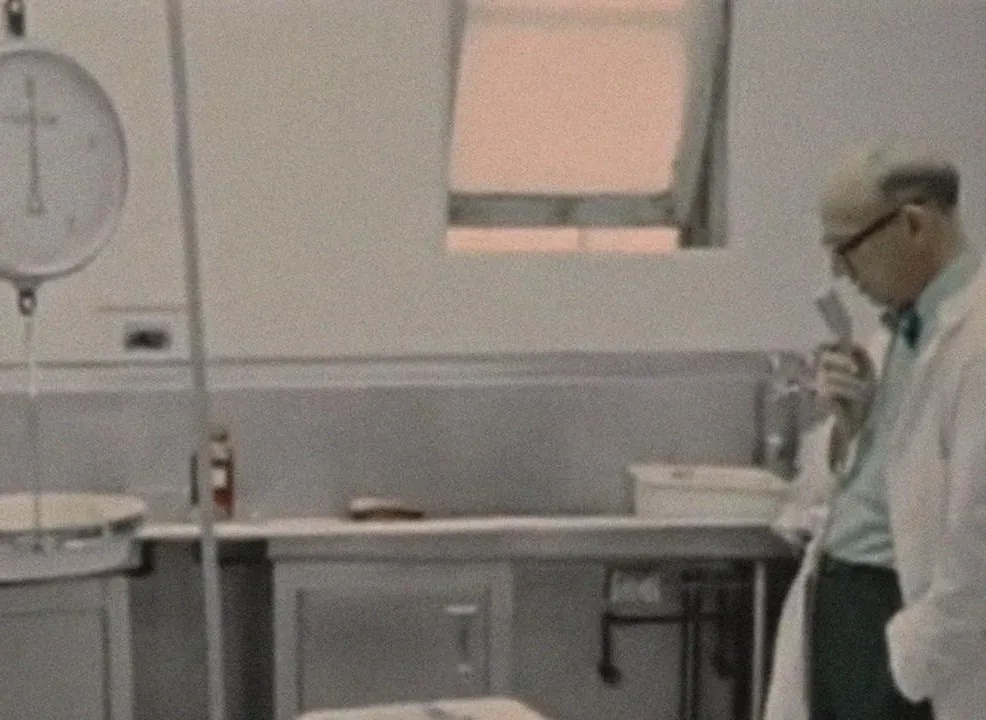
Filmed in a Pittsburgh morgue. The title is a literal translation of 'autopsy', and the film doesn't look away.
Where Brakhage's ideas turned up next.