Lyrical film
Films in which the camera becomes the filmmaker's eye, and the screen fills with how they see.
P. Adams Sitney coined the term in Visionary Film, his 1974 history of the American avant-garde, for the turn Stan Brakhage made in the late 1950s. There's no hero on screen to follow. The filmmaker is behind the camera, and the moving, blurring, flaring images are their way of seeing.
The camera is handheld and restless, and focus, exposure and speed bend with feeling, not by the rules. Much of Jonas Mekas's diary filming shares that first-person freedom.
Films to start with
In the order they were made. Runtimes are approximate.
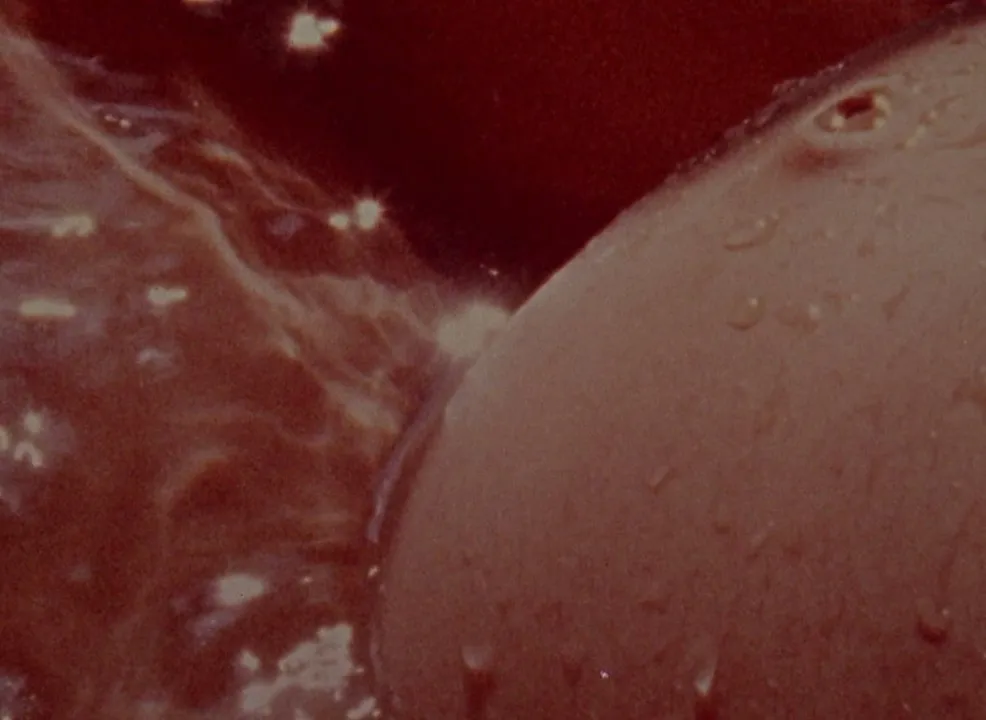
Window Water Baby Moving
The birth of Brakhage's first child, filmed by him in their home. Light through a window and water in a bath frame a sequence that's frank and tender at once.
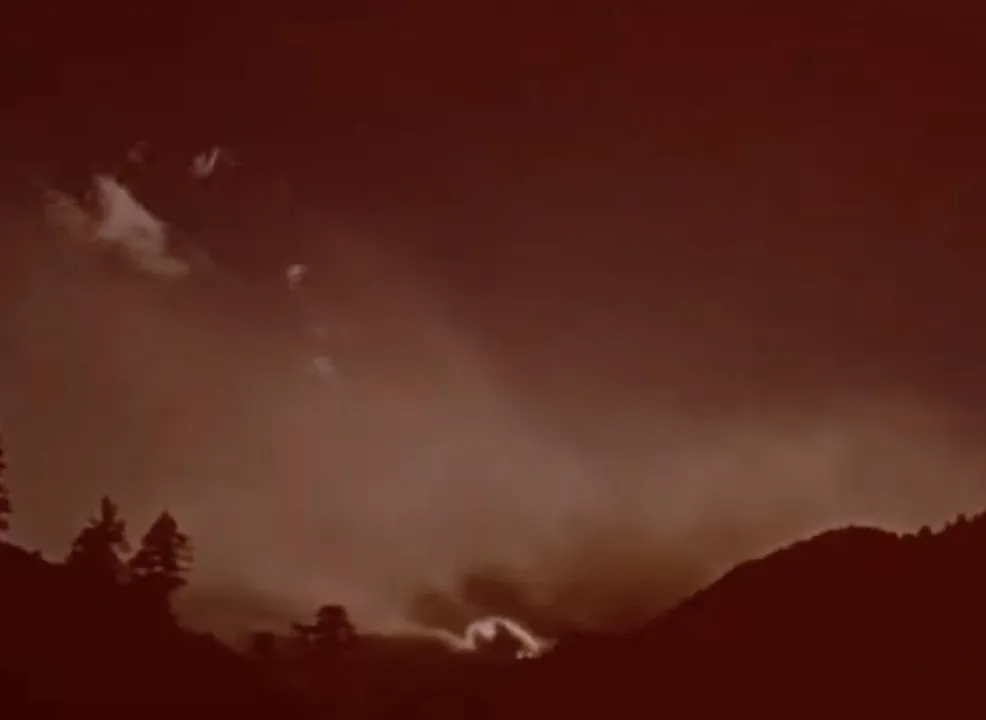
Dog Star Man
Made between 1961 and 1964 in a prelude and four parts. A man climbs a snowy mountain with his dog, layered with up to four superimposed images at once.
Nearby
Movements, forms and techniques that share filmmakers or methods with this one.