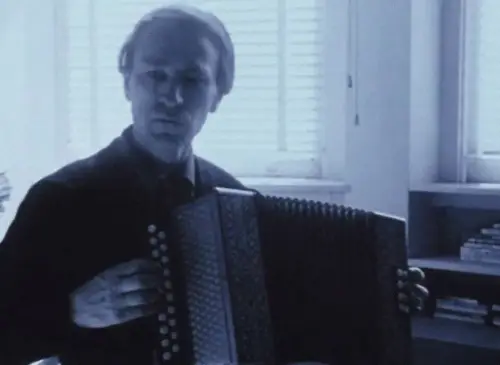
 Walden
Anthology Film Archives
A home for films no one else would show
Besides making diary films, Mekas built the Film-Makers' Cooperative and Anthology Film Archives, which still screen and preserve the avant-garde in New York.
Films made from the filmmaker's own life, shot as it happens and shaped, often years later, into a personal record.
Jonas Mekas made the diary film a form of its own. He filmed his days in New York in short bursts from 1949 on, then edited the footage into long works like Walden, with titles, music and his own voice binding the fragments.
The diary film turns home-movie habits, the shaky camera and the single-frame burst, into art. It sits close to the essay film, where a filmmaker thinks aloud over their own footage.
In the order they were made. Runtimes are approximate.
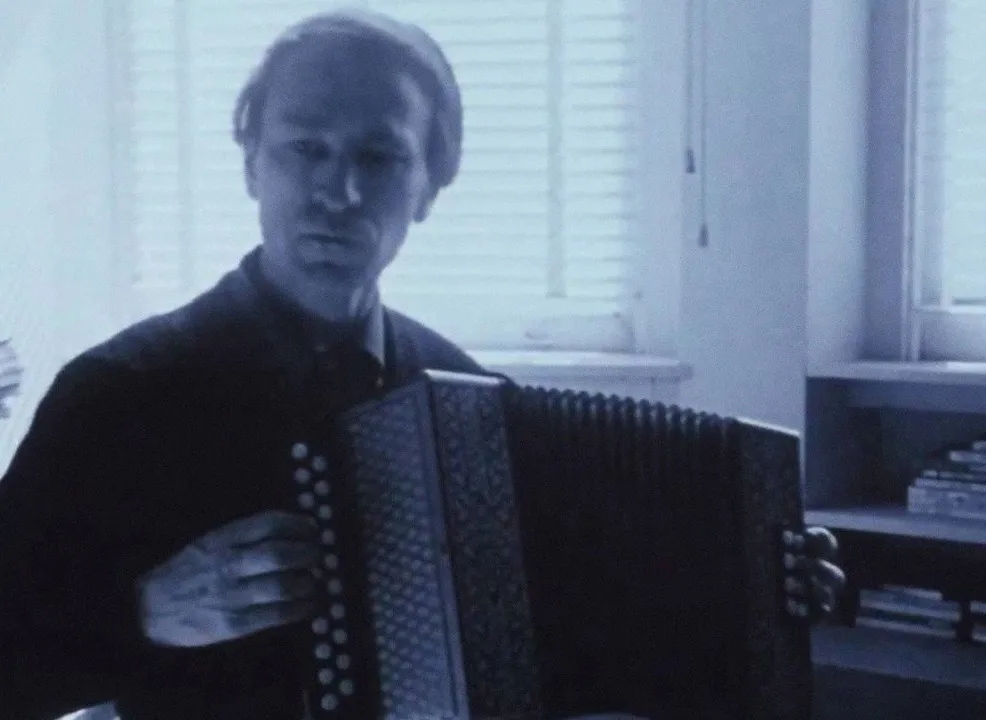
Subtitled Diaries, Notes and Sketches. Footage from 1964 to 1968: weddings, Warhol, the Velvet Underground, snow in Central Park, cut fast and set to music and Mekas's voice.
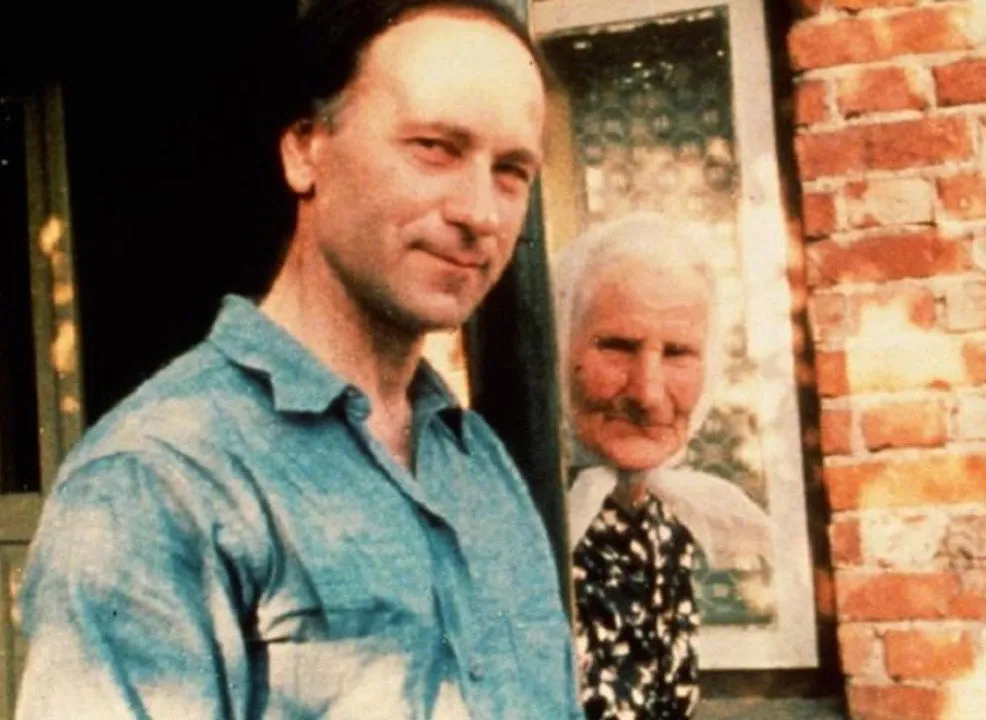
Mekas returns to his home village after 27 years away and films his mother, then visits Elmshorn, near Hamburg, where he was held in a forced-labour camp during the war.
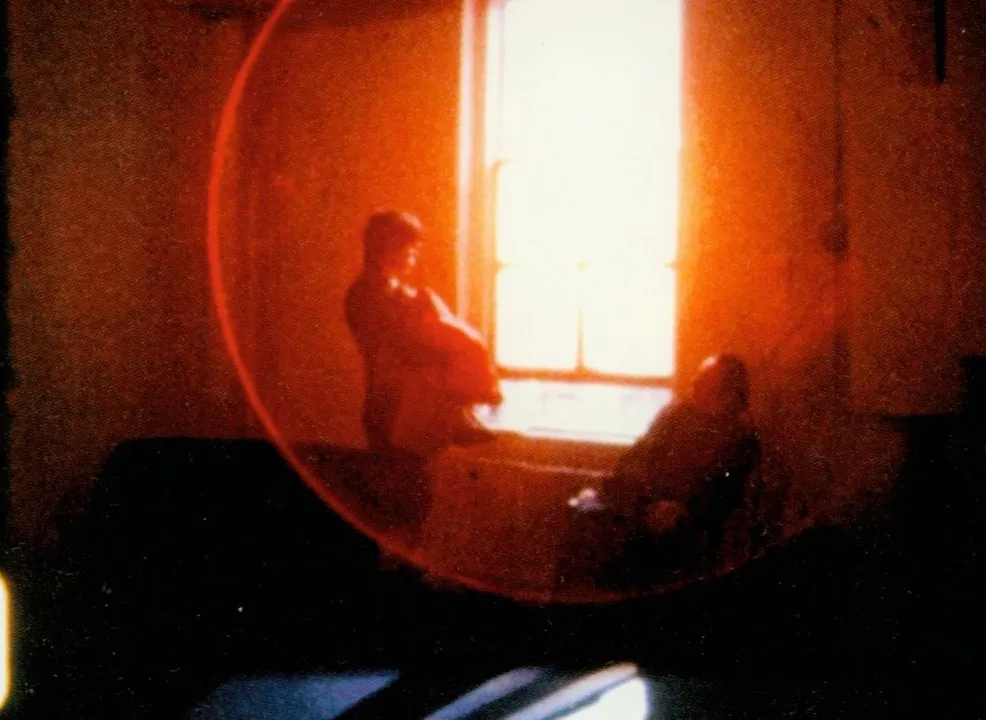
Nearly five hours of home movies of his family life from the 1970s to the 1990s, with Mekas talking over them.
Lines from these films into work you may already know.
Movements, forms and techniques that share filmmakers or methods with this one.
Films in which the camera becomes the filmmaker's eye, and the screen fills with how they see.
Films that think aloud: the filmmaker works through an idea, mixing footage, archive, text and voice the way a writer builds an essay.
The New York independents who, from 1960, organised to make, distribute and show films outside Hollywood.