Kenneth Anger
- 1963Scorpio Rising
- 1947Fireworks
- 1954Inauguration of the Pleasure Dome
Echoed in
- Mean Streets1973
Bikers, chrome and occult ritual, cut to pop songs: he invented a way of scoring film that Hollywood took for granted.
Anger made Fireworks at seventeen, a frank and violent queer fantasy that led to an obscenity charge and won praise from Jean Cocteau. He spent the 1950s largely in France, and his later work drew on Aleister Crowley's occult philosophy, ritual and costume.
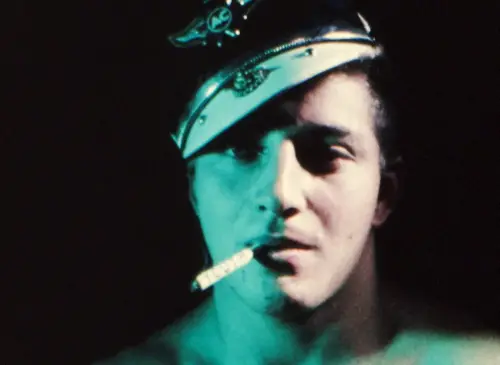
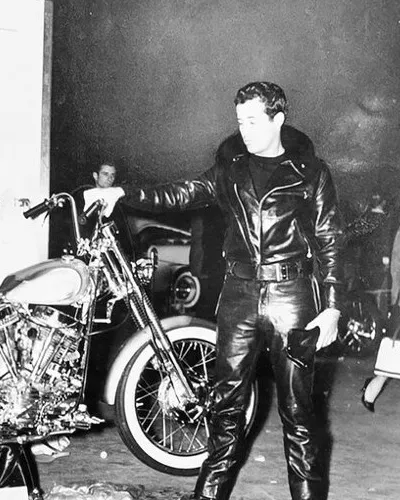
Scorpio Rising follows a gang of Brooklyn bikers through thirteen pop songs, each one commenting on the images around it, sometimes with a smirk. Nobody had used chart records like that before, as narration and as a joke at the same time.
He also wrote Hollywood Babylon, a lurid collection of film-industry scandal. He died in 2023.
Where to start with Kenneth Anger, in the order they were made. Runtimes are approximate.
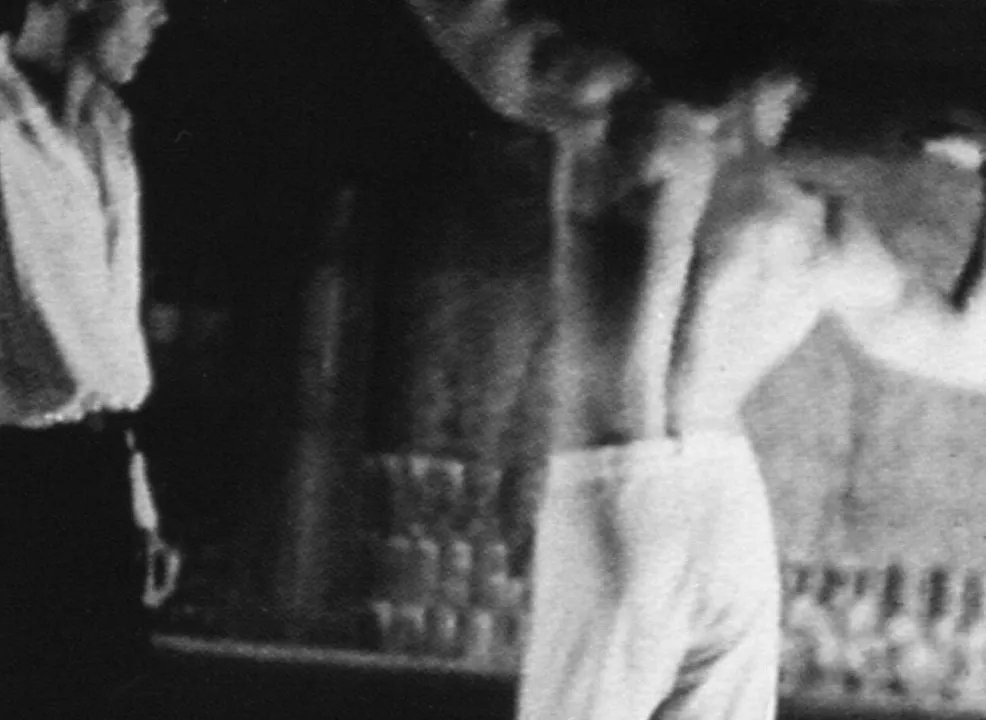
Made when Anger was seventeen, while his parents were away. A young man's dream of sailors turns violent, then ecstatic, ending with a Roman candle.
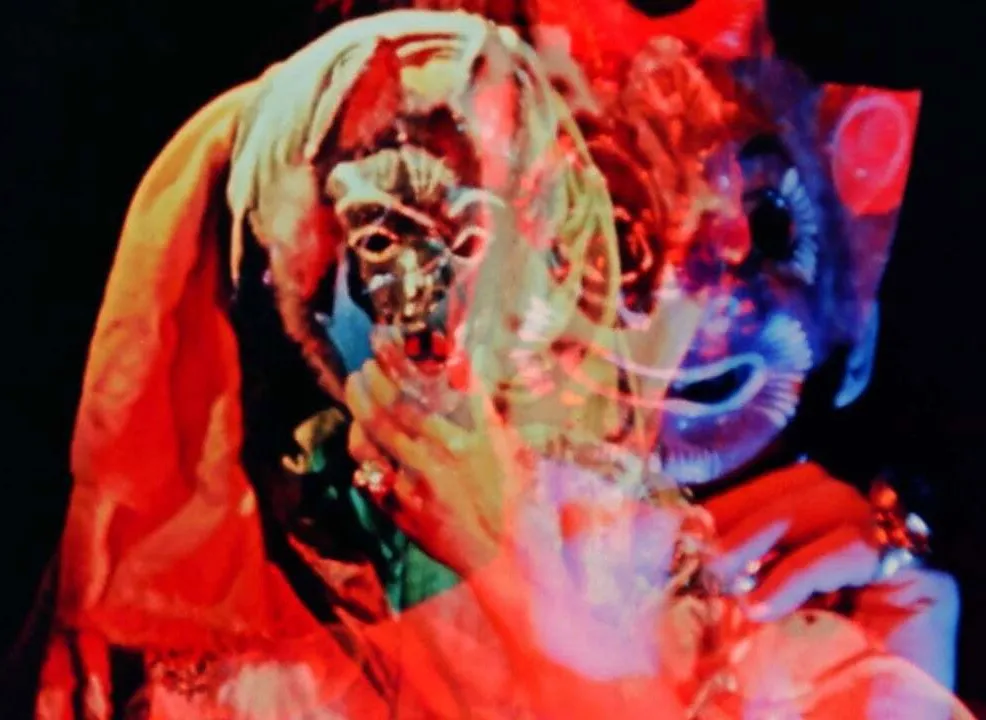
Guests arrive at a ritual party dressed as gods from Crowley's pantheon, in saturated colour and layered superimpositions set to Janáček.
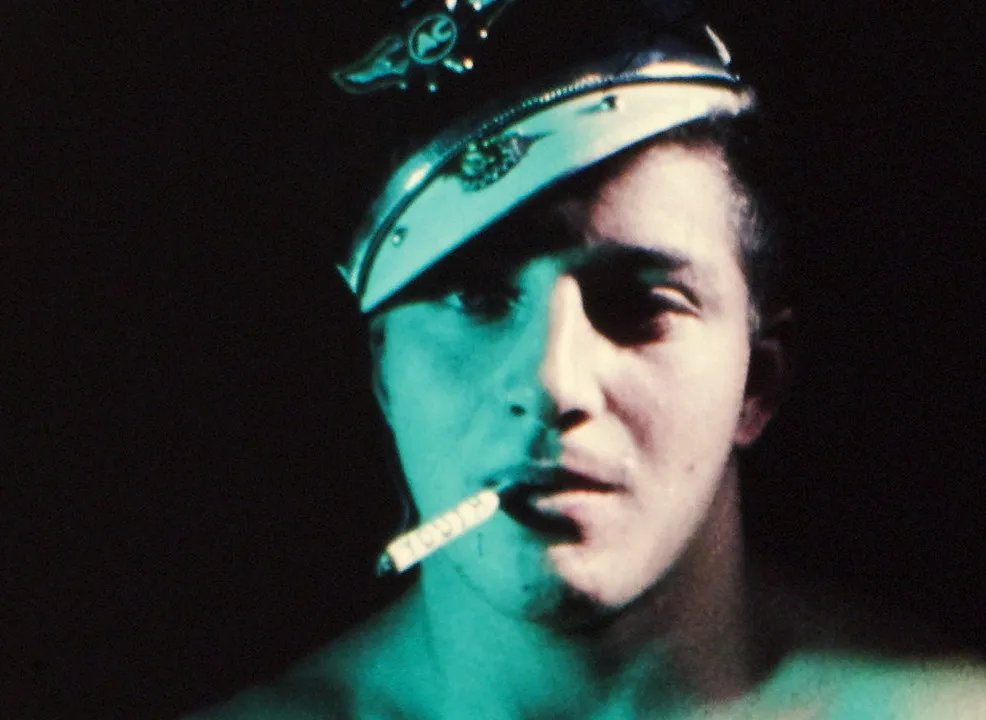
Bikers polish chrome, dress in leather and ride, scored wall to wall with thirteen pop records, from Ricky Nelson to The Crystals, each one an ironic caption.
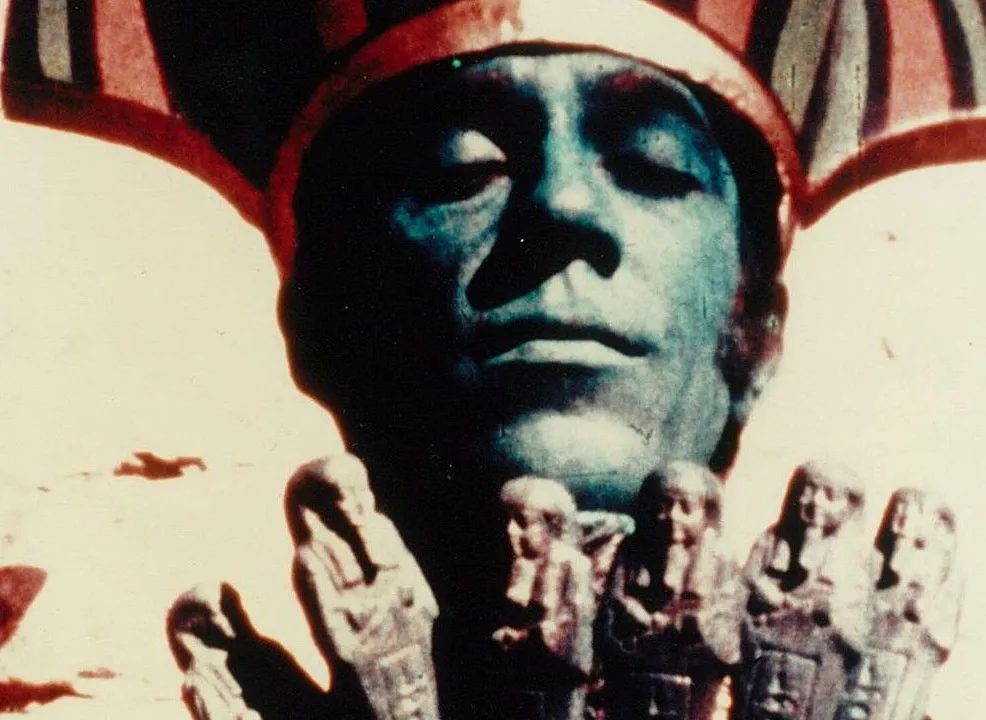
Egyptian gods wake among pyramids and standing stones. Shot from 1970 and released in 1980, with a score composed by Bobby Beausoleil from prison.
Where Anger's ideas turned up next.