Chantal Akerman
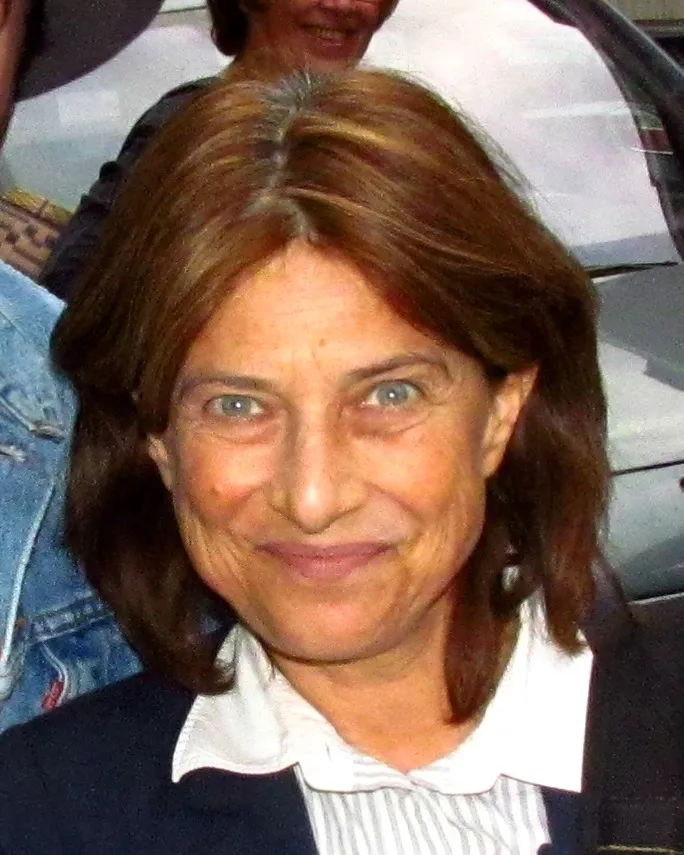
- 1975Jeanne Dielman
- 1977News from Home
- 1974Je, tu, il, elle
Echoed in
- Elephant2003
- Safe1995
She held the camera still and let real time run, until peeling potatoes became the most suspenseful thing on screen.
Akerman saw Godard's Pierrot le fou at fifteen and decided to make films. By twenty-five she had made Jeanne Dielman, 23 quai du Commerce, 1080 Bruxelles: three days in the life of a widow, shot in long, fixed, frontal takes, where the smallest break in her routine lands like a shock.
Time in an Akerman film is literal. You watch the full length of a task, a corridor, a train journey. Her New York films, including Hotel Monterey and News from Home, pair empty streets with letters from her mother read aloud.
In 2022 critics polled by Sight and Sound named Jeanne Dielman the greatest film ever made. She died in 2015.
Where to start with Chantal Akerman, in the order they were made. Runtimes are approximate.
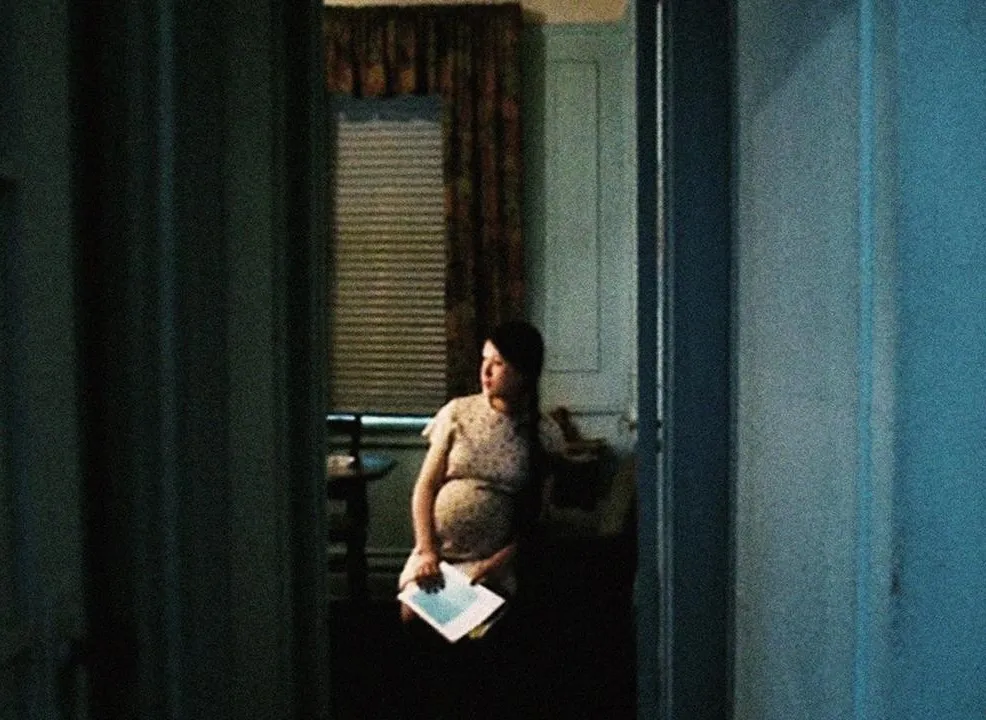
A cheap Upper West Side hotel, from the lobby to the roof, in long silent takes. Lifts open and close; residents look back at the camera.
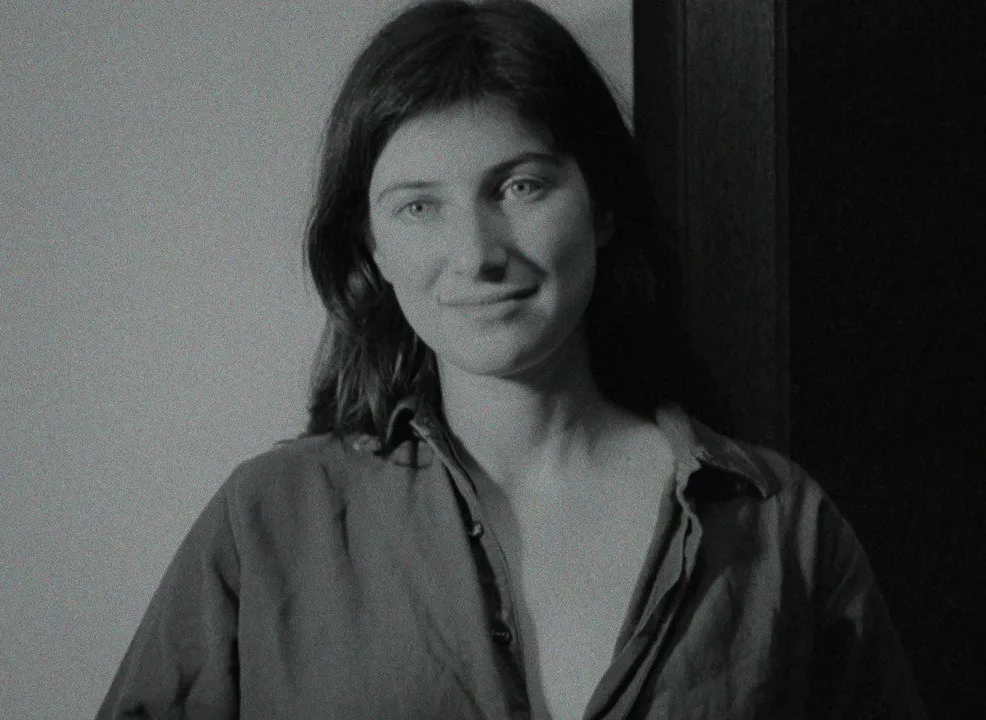
Akerman plays a young woman who rearranges her furniture, eats sugar from a bag, hitches a ride with a truck driver and visits her former lover.
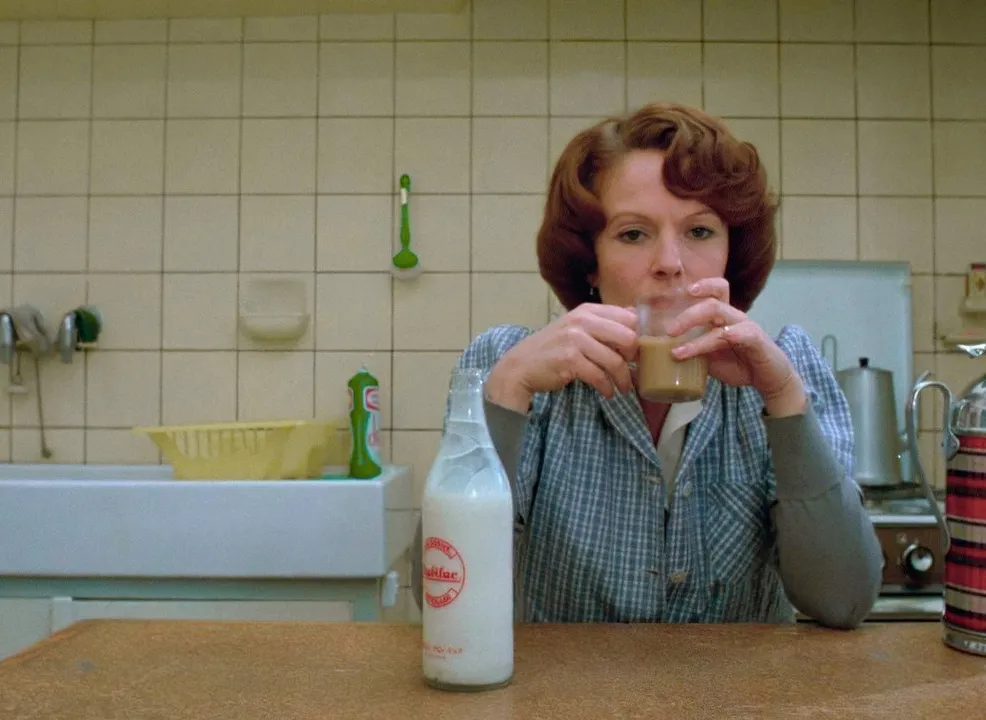
Delphine Seyrig as a widow keeping a precise routine over three days. Shot in fixed takes at her eye level, it was voted the greatest film of all time in Sight and Sound's 2022 critics' poll.
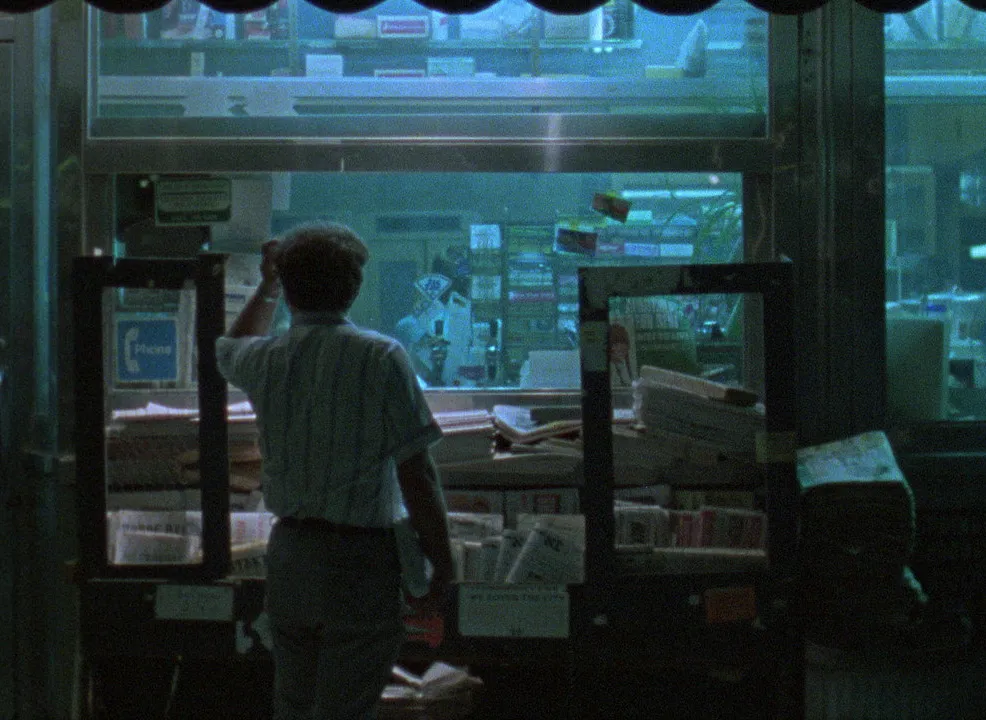
Long takes of 1970s New York streets and subways, while Akerman reads her mother's letters from Brussels over the traffic.
Where Akerman's ideas turned up next.
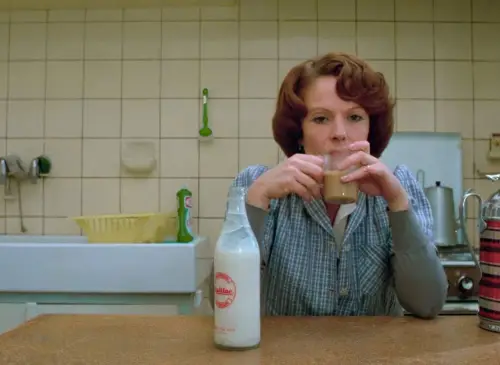 Jeanne Dielman, 23 quai du Commerce, 1080 Bruxelles
Jeanne Dielman watches a routine in full until the smallest change feels catastrophic. Gus Van Sant has named it as a model for the long, patient takes of Elephant.
Jeanne Dielman, 23 quai du Commerce, 1080 BruxellesTodd Haynes has said he looked to Jeanne Dielman for the style of Safe, another film that watches a housewife's routine from a distance.