Structural film
Films whose shape is the subject: a single zoom, a rule, a rhythm of frames, set up in advance and followed through.
P. Adams Sitney named structural film in a 1969 essay, with Michael Snow's Wavelength and Tony Conrad's The Flicker, the film behind this guide's flicker strip, among its examples. Hollis Frampton, Paul Sharits and Ernie Gehr were among its core makers. The overall form comes first, and content is whatever fills it.
Chantal Akerman's early New York films share its fixed frames and long takes. Takashi Ito's Spacy applies a strict rule of movement to seven hundred photographs of a gymnasium.
Films to start with
In the order they were made. Runtimes are approximate.
Still from The Flicker to come. The Flicker
Thirty minutes of solid black and white frames in shifting patterns, over a pulsing electronic score. It opens with a warning that it may cause seizures and that a physician should be in attendance.
Still from T,O,U,C,H,I,N,G to come. T,O,U,C,H,I,N,G
Still images of the poet David Franks flash between frames of solid colour while a voice says one word, 'destroy', for the whole film, until it starts to sound like other words. Anthology Film Archives preserved it.
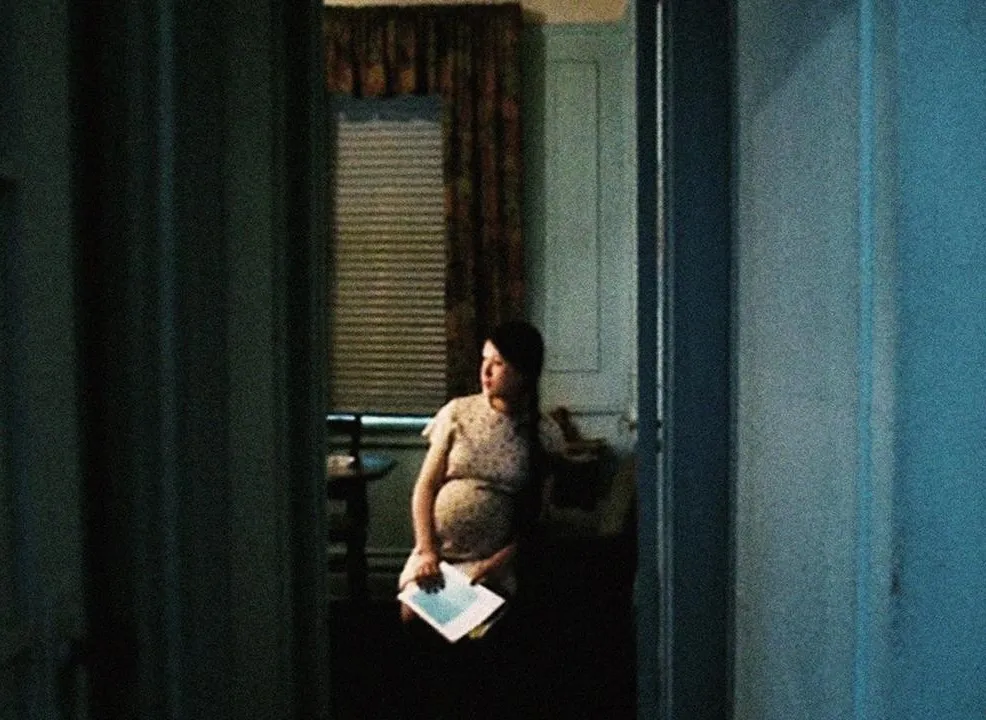
Hotel Monterey
A cheap Upper West Side hotel, from the lobby to the roof, in long silent takes. Lifts open and close; residents look back at the camera.
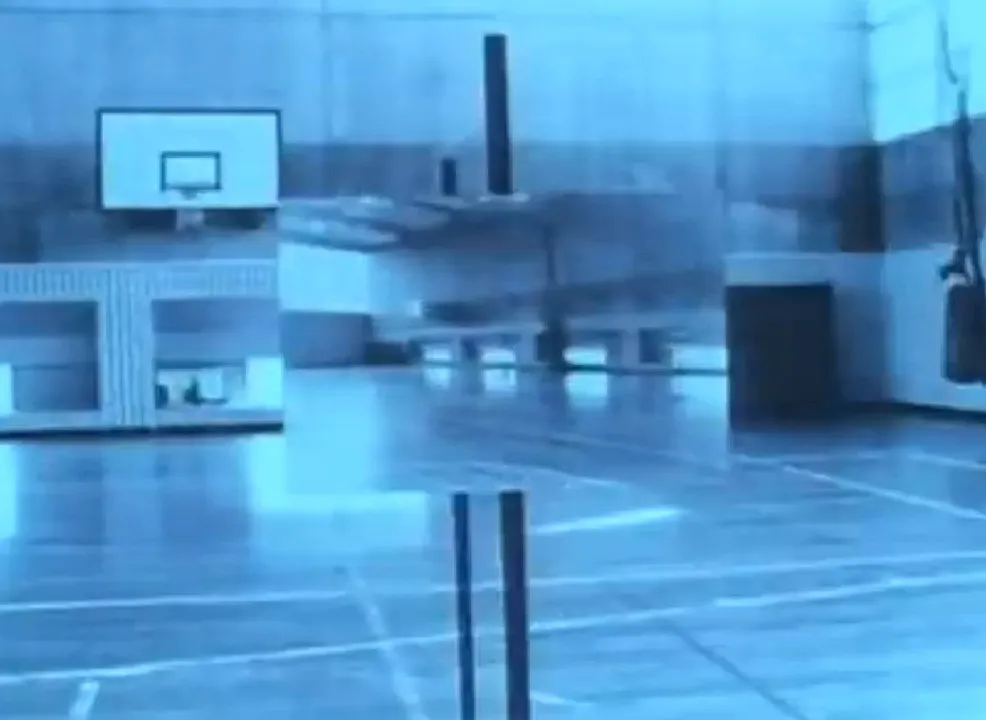
Spacy
Seven hundred photographs of a school gymnasium, rephotographed frame by frame. The camera seems to plunge endlessly through the hall and into pictures of itself.
Nearby
Movements, forms and techniques that share filmmakers or methods with this one.
Slow cinema
Films built from long takes and real time, where the waiting is the point.
Stop-motion
Animation made by photographing objects or images one frame at a time, moving them a little between shots.
Flicker film
Films built from rapid changes between single frames, often of plain black, white or colour, that work directly on the eye.