Jeanne Dielman, 23 quai du Commerce, 1080 BruxellesReal time as a source of dread
Jeanne Dielman watches a routine in full until the smallest change feels catastrophic. Gus Van Sant has named it as a model for the long, patient takes of Elephant.
Films built from long takes and real time, where the waiting is the point.
Critics began using the label in the 2000s for directors such as Béla Tarr, Tsai Ming-liang, Lav Diaz and Apichatpong Weerasethakul. Their films hold shots far longer than the story needs, so attention moves from what happens to how it feels to watch.
Chantal Akerman's Jeanne Dielman, from 1975, held its long takes in real time decades before the label existed. Scott Barley's wordless landscapes carry the same patience into darkness, in images shot on a phone.
In the order they were made. Runtimes are approximate.

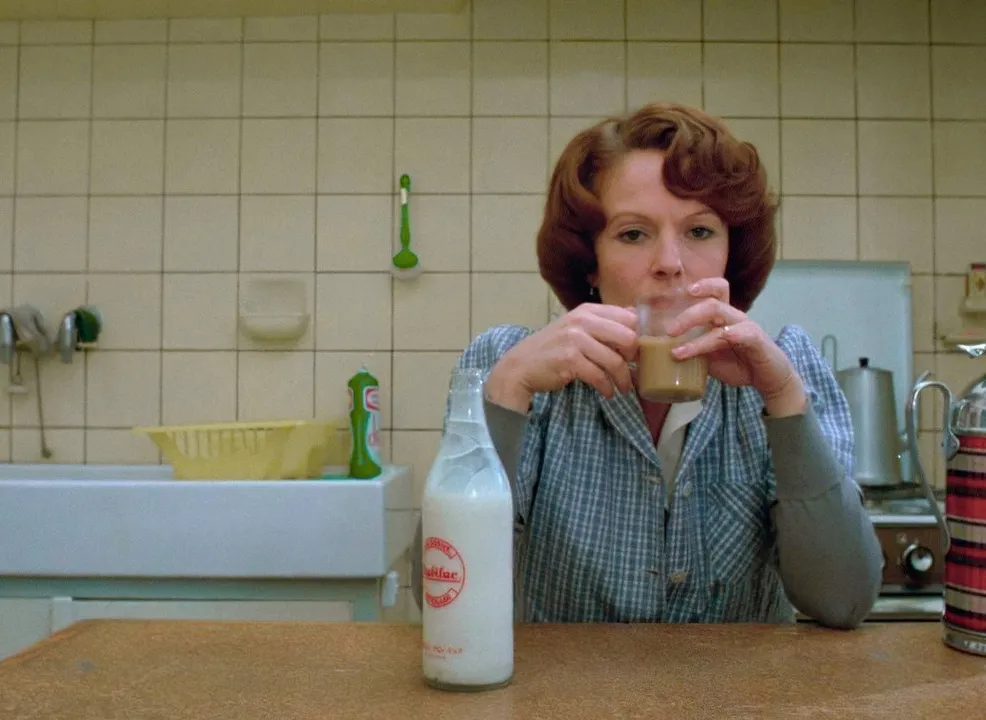
Delphine Seyrig as a widow keeping a precise routine over three days. Shot in fixed takes at her eye level, it was voted the greatest film of all time in Sight and Sound's 2022 critics' poll.

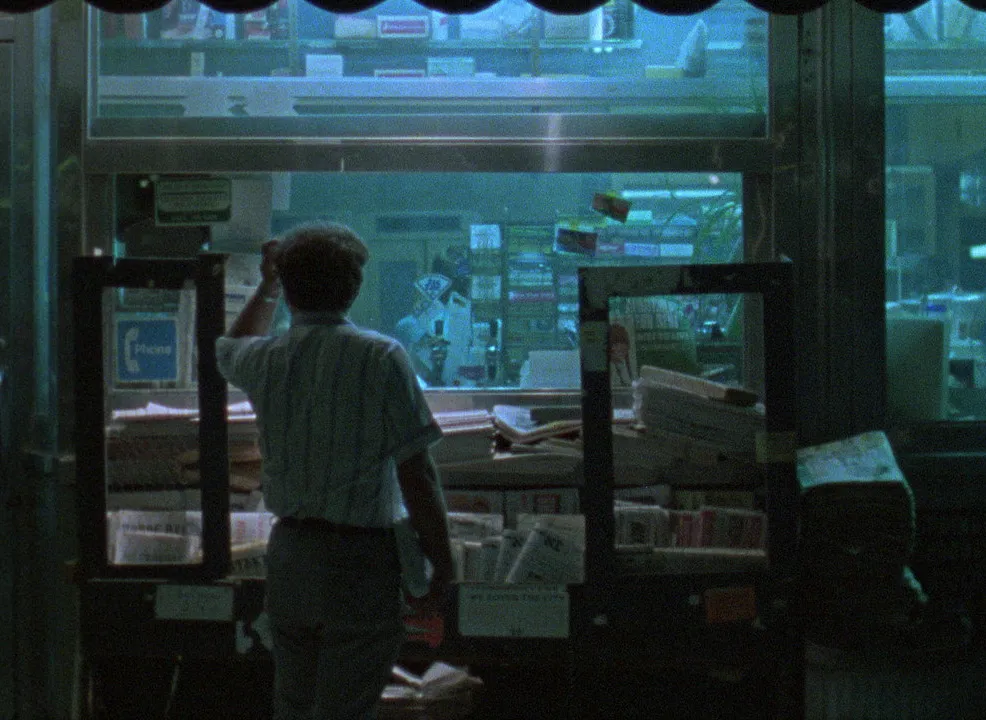
Long takes of 1970s New York streets and subways, while Akerman reads her mother's letters from Brussels over the traffic.

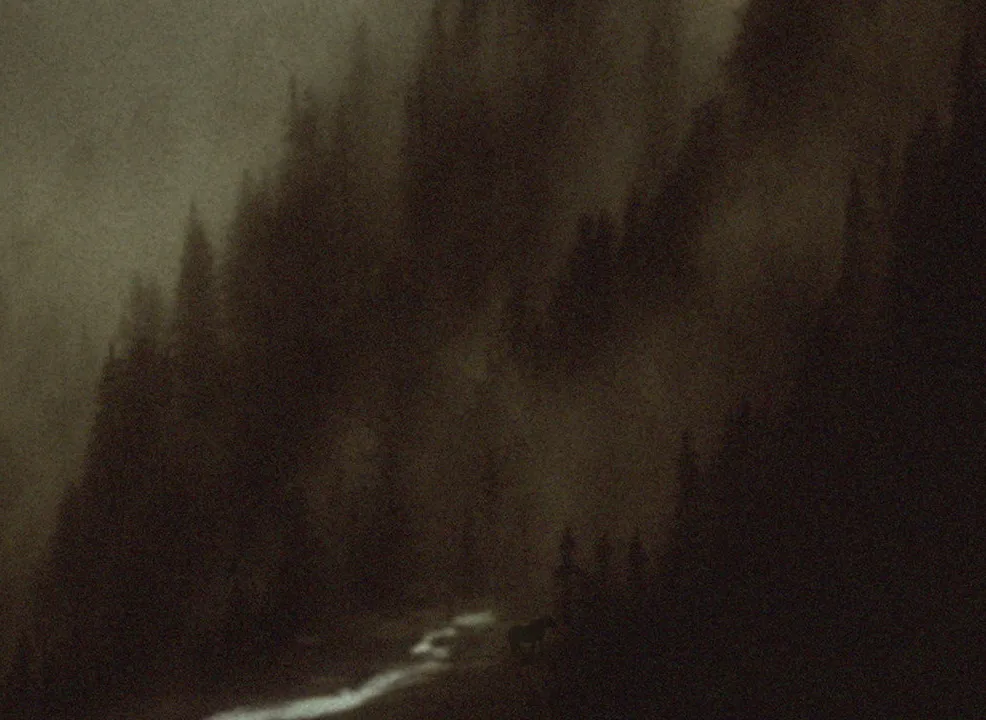
A wordless landscape film with no people in it, shot in Scotland and Wales. An unseen presence passes through a valley, a lake and woods as night falls. Its longest take is an eleven-minute sunset.
Two children wake to find their father gone and the windows and doors of the house missing. The camera stays low in dark hallways and on ceilings and corners, the picture swims with grain, and the children's whispers come with subtitles.
Lines from these films into work you may already know.
Jeanne Dielman, 23 quai du Commerce, 1080 BruxellesJeanne Dielman watches a routine in full until the smallest change feels catastrophic. Gus Van Sant has named it as a model for the long, patient takes of Elephant.
Jeanne Dielman, 23 quai du Commerce, 1080 BruxellesTodd Haynes has said he looked to Jeanne Dielman for the style of Safe, another film that watches a housewife's routine from a distance.
Movements, forms and techniques that share filmmakers or methods with this one.
Films whose shape is the subject: a single zoom, a rule, a rhythm of frames, set up in advance and followed through.
Films where place is the subject: land, weather and light watched closely, usually with few people or none.
Features made with almost no money, often by one person, with friends, neighbours and whatever is at hand.