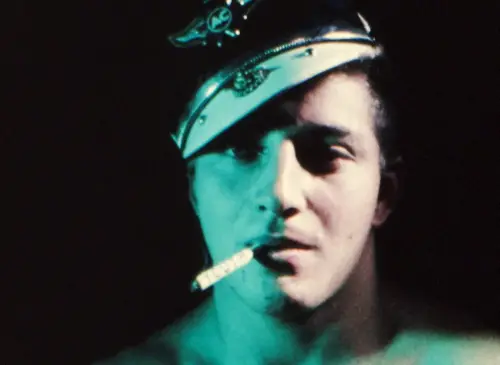
 Scorpio Rising
Mean Streets
Pop songs as a second script
Scorpio Rising scored its bikers with thirteen chart records, each commenting on the scene. Scorsese has credited that idea for the way he uses songs.
Films by and about queer people, made long before the industry would show their lives on screen, and often in defiance of it.
Experimental film was one of the few places queer desire could appear openly in the mid-twentieth century. Kenneth Anger's Fireworks, made in 1947, brought an obscenity charge. In the 1970s Barbara Hammer made Dyketactics, often described as one of the first films about lesbian sexuality made by a lesbian.
In 1992 the critic B. Ruby Rich gave a new wave of independent features a name, New Queer Cinema, and the avant-garde's frankness and collage methods ran through it.
In the order they were made. Runtimes are approximate.
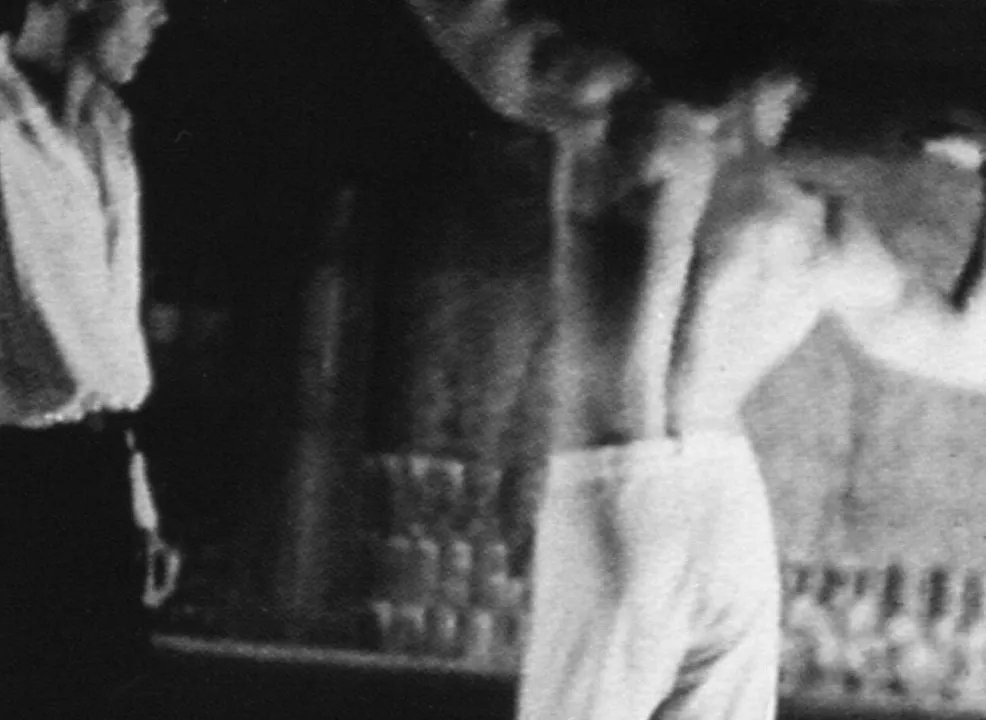
Made when Anger was seventeen, while his parents were away. A young man's dream of sailors turns violent, then ecstatic, ending with a Roman candle.
Drag performers, among them Mario Montez and Francis Francine, pose, dance and put on lipstick before an orgy and an earthquake shake the set. Police seized it at the New Bowery Theater in March 1964, and it was banned in New York State.
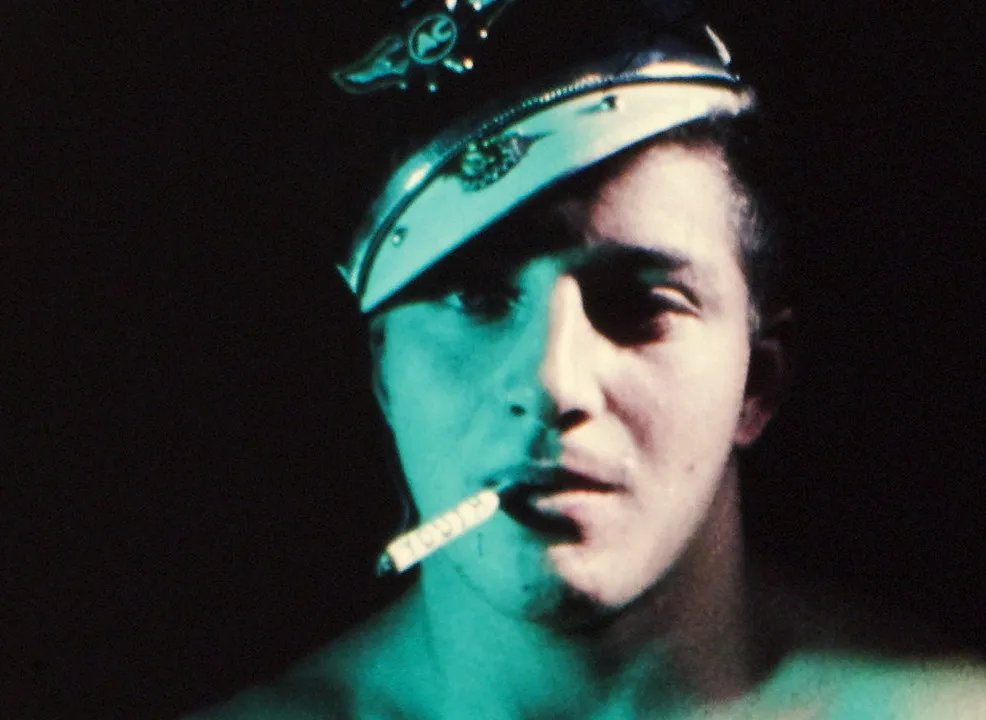
Bikers polish chrome, dress in leather and ride, scored wall to wall with thirteen pop records, from Ricky Nelson to The Crystals, each one an ironic caption.
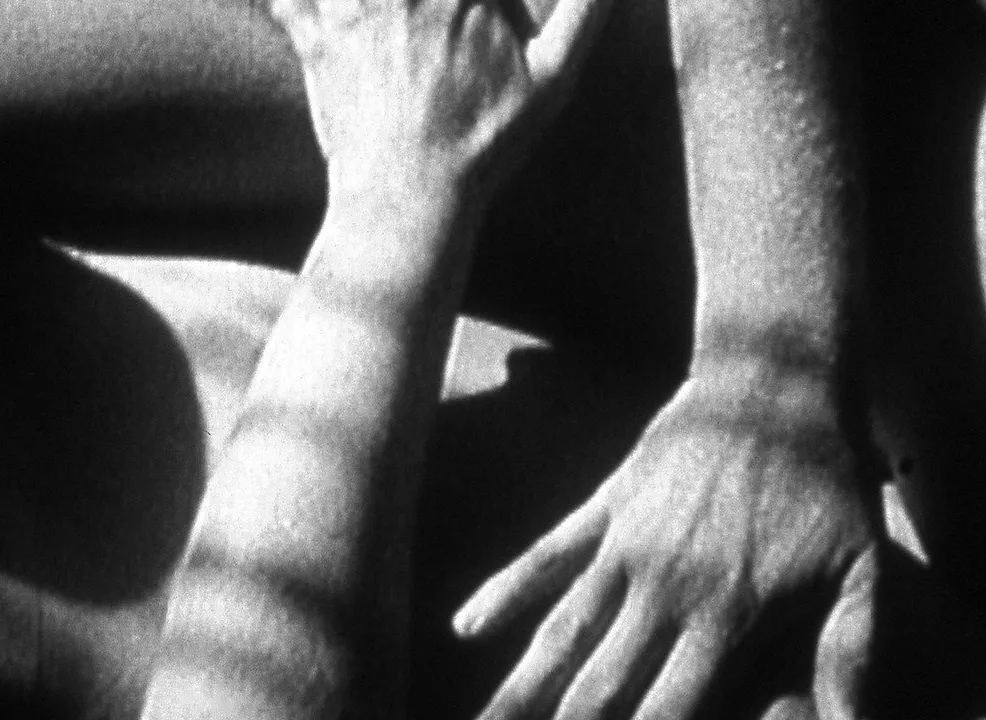
One hundred and ten images of touch, bathing and lovemaking in four minutes. Hammer wanted it felt as much as seen.
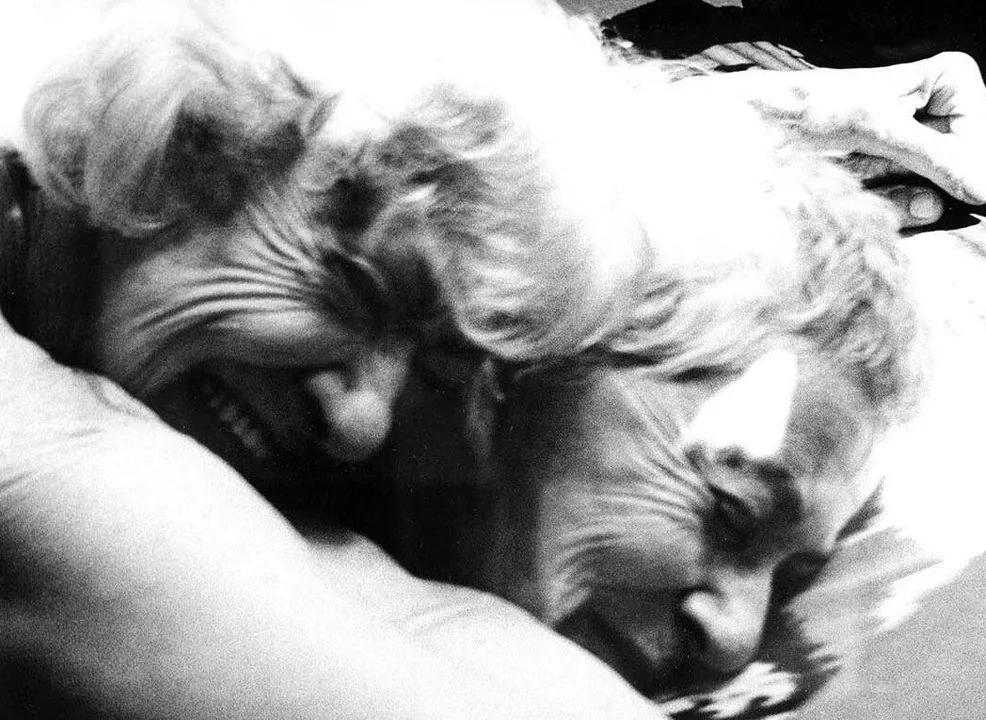
Hammer's first feature sets fragments of half-erased queer history, including footage from the 1933 film Lot in Sodom, against present-day couples.
Lines from these films into work you may already know.
Scorpio RisingScorpio Rising scored its bikers with thirteen chart records, each commenting on the scene. Scorsese has credited that idea for the way he uses songs.
 Nitrate Kisses
Hammer had been making openly lesbian films for nearly twenty years when New Queer Cinema was named in 1992, the year of Nitrate Kisses.
Warhol went to Jack Smith's shoots, cast Smith as Dracula and borrowed his performers. He credited Smith with how he made films.
Movements, forms and techniques that share filmmakers or methods with this one.
The name the press gave American experimental film in the 1960s, when it moved into midnight screenings, court cases and the culture pages.
Films that take apart how cinema looks at women, and make room for women's lives, bodies and histories told on their own terms.
Art made with video, from the first portable cameras of the 1960s to the gallery installations and long-form works that followed.