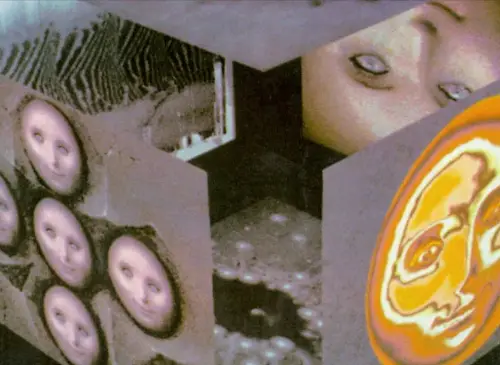
 Sunstone
Computer animation
An artist in the computer lab
Emshwiller made Sunstone with Alvy Ray Smith at the New York Institute of Technology. The Computer History Museum counts it among the most important early computer-animated films.
Art made with video, from the first portable cameras of the 1960s to the gallery installations and long-form works that followed.
When portable video equipment reached artists in the late 1960s, Nam June Paik and others began making work about the medium itself: its live feedback, its electronic colour, its link to television. Video art grew up in galleries and artist-run spaces.
Ed Emshwiller moved from film to video and computer imaging. Cecelia Condit used processed video to tell her dark fairy tales. Matthew Barney's Cremaster Cycle came out of the art world, not the film industry, and has been shown in museums as well as cinemas.
In the order they were made. Runtimes are approximate.
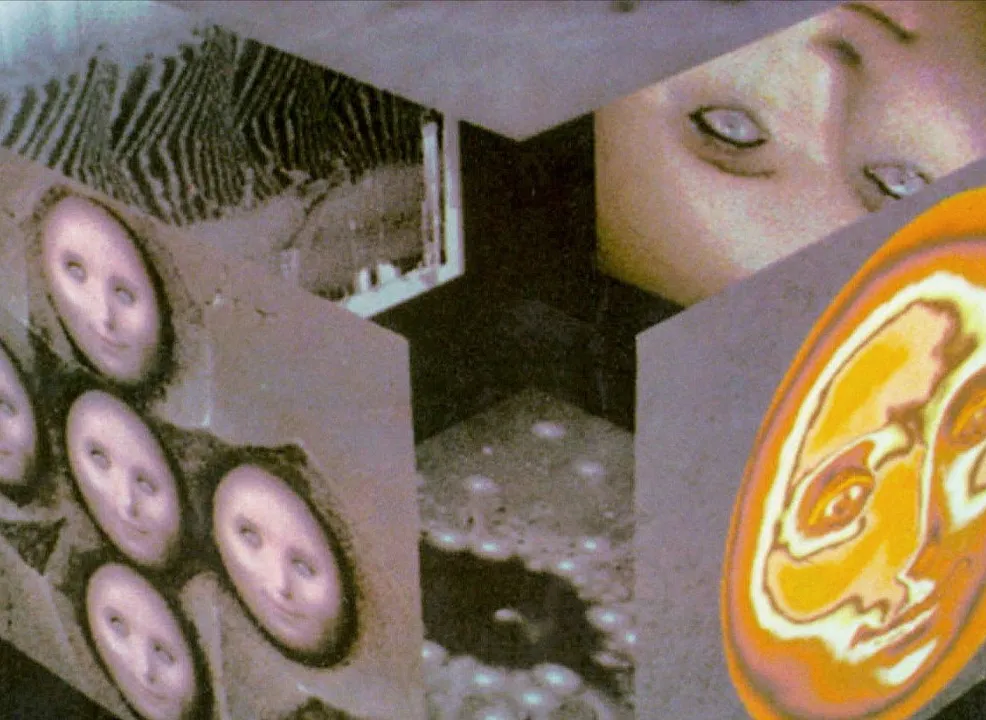
Made over about eight months at the New York Institute of Technology's computer graphics lab, with Alvy Ray Smith. A stone face becomes one side of a turning cube, and every side carries a moving image. MoMA holds it.
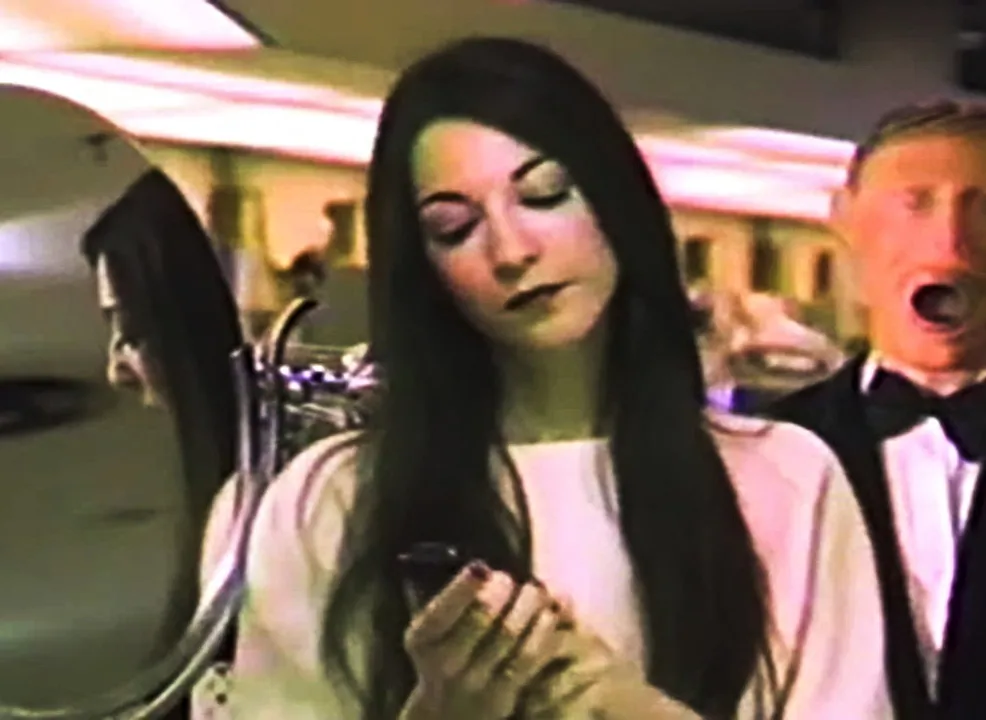
A sung, densely collaged fairy tale set in a suburban shopping mall, in which two women turn on the man in an animal mask who has been stalking them.
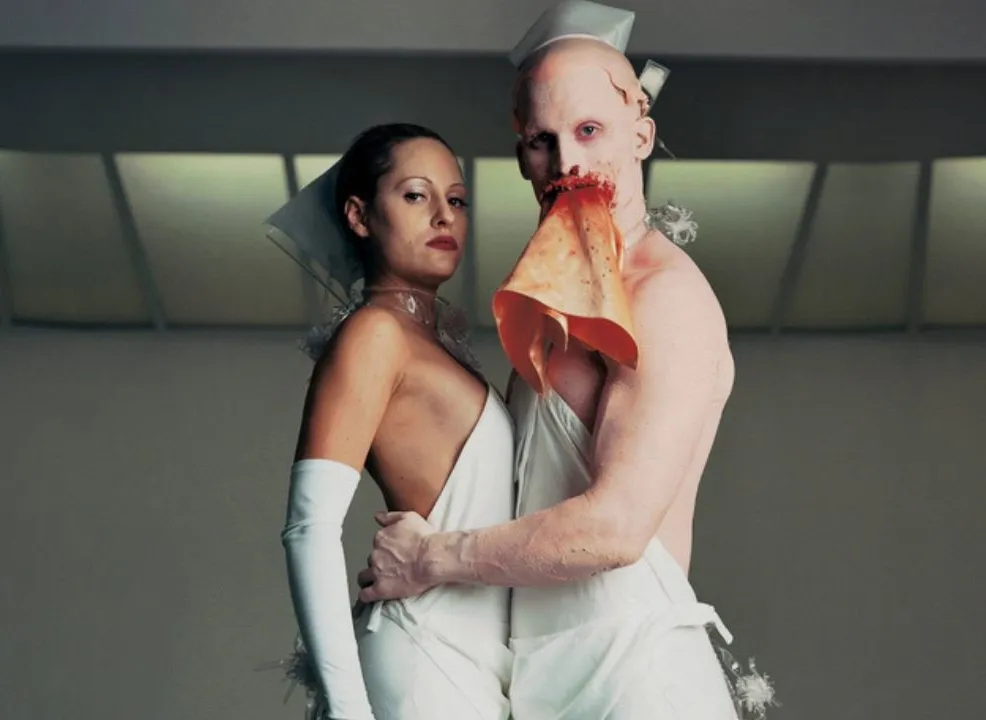
The last and longest of the cycle, set as the Chrysler Building goes up. Its centrepiece, The Order, is a 31-minute contest staged on the ramps of the Guggenheim and the only part of the cycle ever released on DVD.
Lines from these films into work you may already know.
SunstoneEmshwiller made Sunstone with Alvy Ray Smith at the New York Institute of Technology. The Computer History Museum counts it among the most important early computer-animated films.
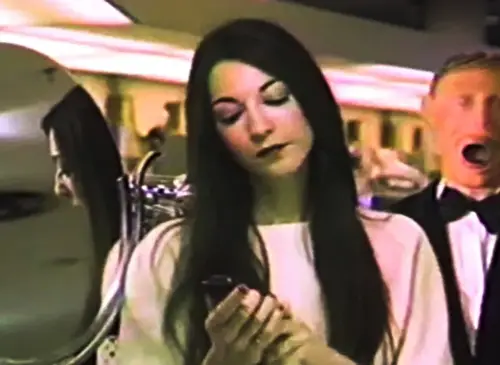 Possibly in Michigan
In 2019 a 20-second song from Possibly in Michigan spread across TikTok, where thousands of users lip-synced to it.
Movements, forms and techniques that share filmmakers or methods with this one.
Art made from live action, usually the artist's own body, staged for an audience or for the camera.
A name used in the 1960s for films that made the dancer and the camera equal partners.
Cecelia Condit's own name for her videos, which retell stories about women, desire and violence with humour and horror at once.
Films by and about queer people, made long before the industry would show their lives on screen, and often in defiance of it.