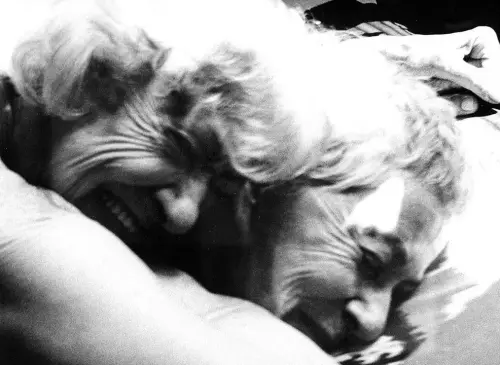
 Nitrate Kisses
New Queer Cinema
Before the movement had a name
Hammer had been making openly lesbian films for nearly twenty years when New Queer Cinema was named in 1992, the year of Nitrate Kisses.
Films that take apart how cinema looks at women, and make room for women's lives, bodies and histories told on their own terms.
Feminist film took shape in the 1970s, alongside the women's movement. Laura Mulvey's 1975 essay Visual Pleasure and Narrative Cinema argued that mainstream film was built around a male gaze, and filmmakers set out to make work that answered back.
Barbara Hammer's films celebrate touch and lesbian experience, then dig through the archive for the women and queer people the record left out. Her work runs from four-minute shorts to essay features.
In the order they were made. Runtimes are approximate.
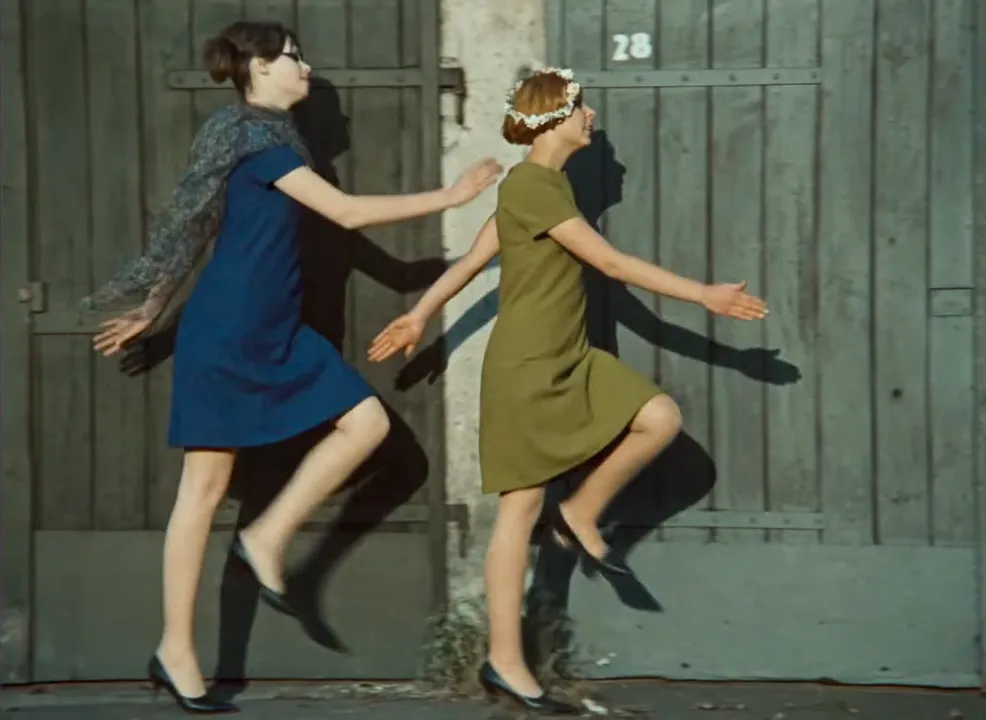
Two young women, both called Marie, cadge dinners from older men, play pranks and finally smash up a banquet laid out for someone else, until a chandelier comes down on them. Jaroslav Kučera's camera switches between colour, black and white and tinted footage, and the leads, Jitka Cerhová and Ivana Karbanová, were not professional actresses.
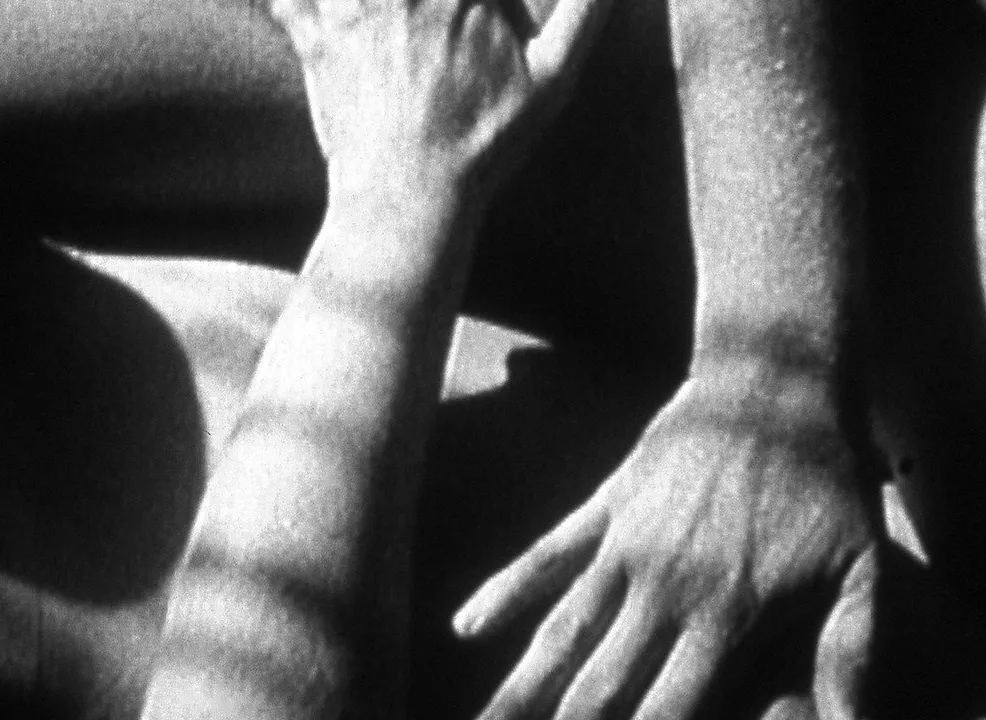
One hundred and ten images of touch, bathing and lovemaking in four minutes. Hammer wanted it felt as much as seen.
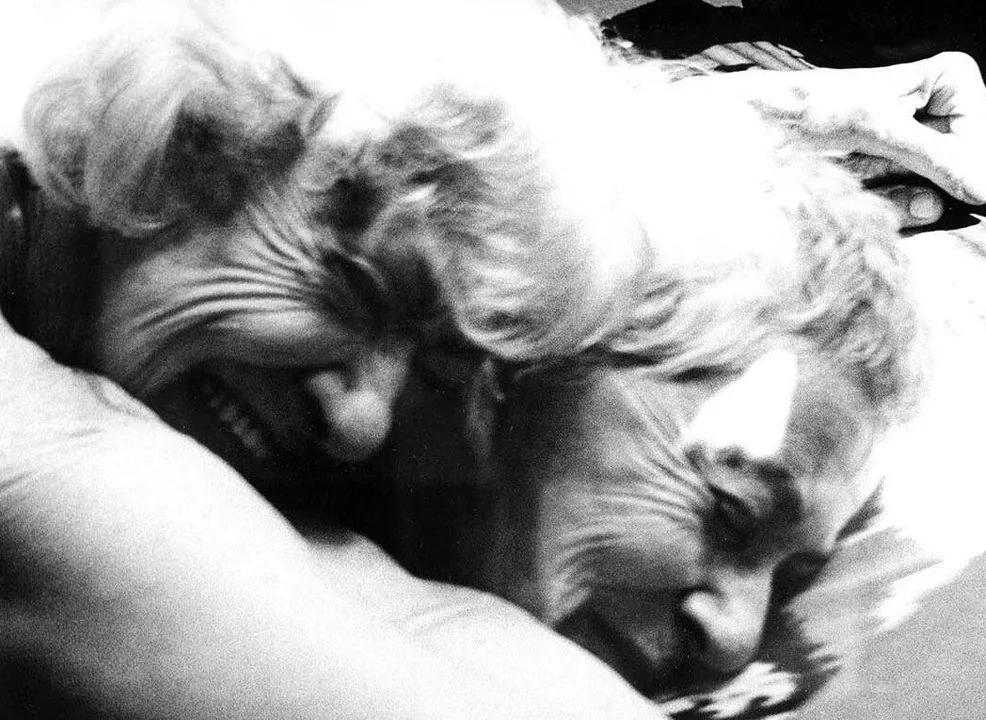
Hammer's first feature sets fragments of half-erased queer history, including footage from the 1933 film Lot in Sodom, against present-day couples.
A playful autobiography that doubts a life can be told at all, then tries anyway with home movies, found footage and performance.
Lines from these films into work you may already know.
Movements, forms and techniques that share filmmakers or methods with this one.
Cecelia Condit's own name for her videos, which retell stories about women, desire and violence with humour and horror at once.
Films by and about queer people, made long before the industry would show their lives on screen, and often in defiance of it.
The funny, absurd and often defiant films a generation of young Czechoslovak directors made in the 1960s, until the tanks of 1968 ended it.