Germaine Dulac
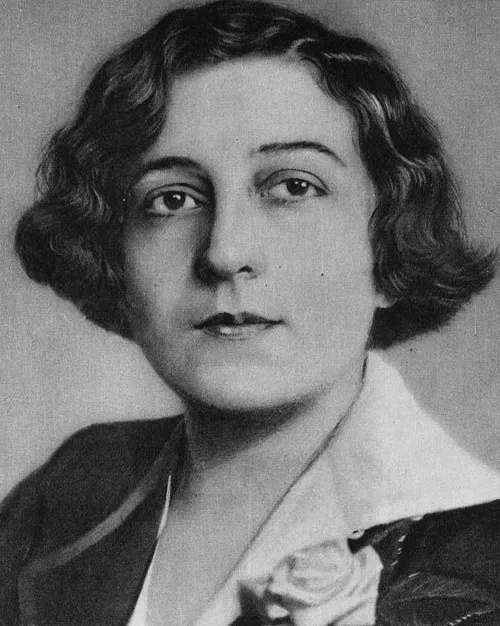
- 1923The Smiling Madame Beudet
- 1928The Seashell and the Clergyman
- 1928Theme and Variations
She filmed a housewife's daydreams, turned Antonin Artaud's script into one of the first Surrealist films and got heckled for it, then left stories behind for pure rhythm.
She was born Charlotte Elisabeth Germaine Saisset-Schneider in Amiens and married Louis-Albert Dulac in 1905. From 1909 she wrote for the feminist magazine La Française and became its drama critic. During the First World War she set up a production company with the writer Irène Hillel-Erlanger, backed by her husband's money, and made her first film, Les Sœurs ennemies.
She made La Fête espagnole (1920) with Louis Delluc, and in The Smiling Madame Beudet (1923) she put an unhappy wife's fantasies on screen with slow motion, distortion and superimposition. The Seashell and the Clergyman (1928) came from a scenario by Antonin Artaud, who objected to how she filmed it. At its premiere at the Studio des Ursulines on 9 February 1928, Surrealists broke up the screening and shouted that she was a cow.
In the late 1920s she made short, wordless 'pure cinema' films built like music, among them Disque 957 and Theme and Variations (both 1928). She led the Fédération des ciné-clubs, which screened work by younger filmmakers such as Jean Vigo and Joris Ivens. From 1930 she made newsreels for Pathé and then Gaumont, and she died in Paris in 1942.
Where to start with Germaine Dulac, in the order they were made. Runtimes are approximate.
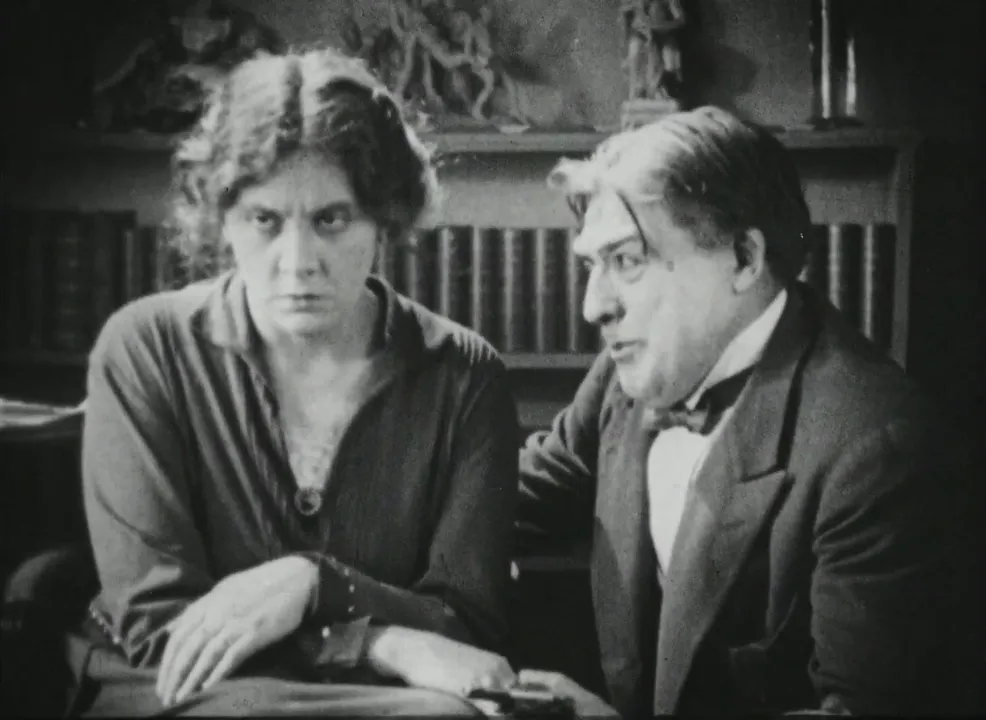
A wife stuck in a small-town marriage loads the empty revolver her husband likes to hold to his head as a joke, then spends the next day failing to unload it. Germaine Dermoz plays her, in an adaptation of a 1921 play by Denys Amiel and André Obey.
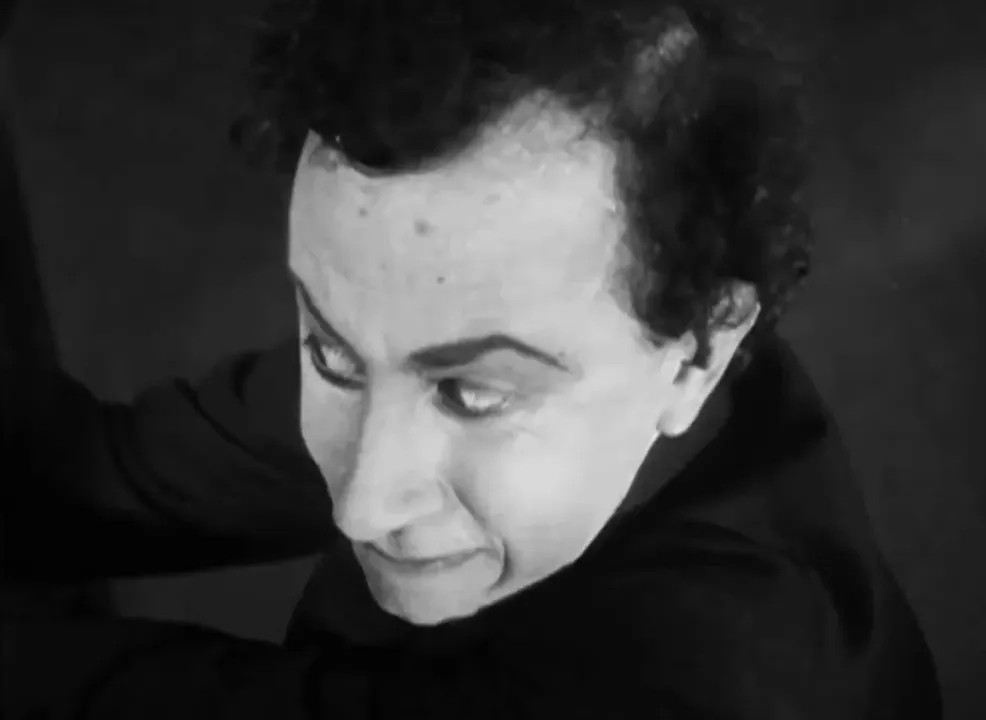
A clergyman chases a general's wife through a ballroom, a confessional and a run of breaking glass, and at one point tears open her blouse to find a seashell. Antonin Artaud wrote the scenario, and Surrealists broke up its Paris premiere.
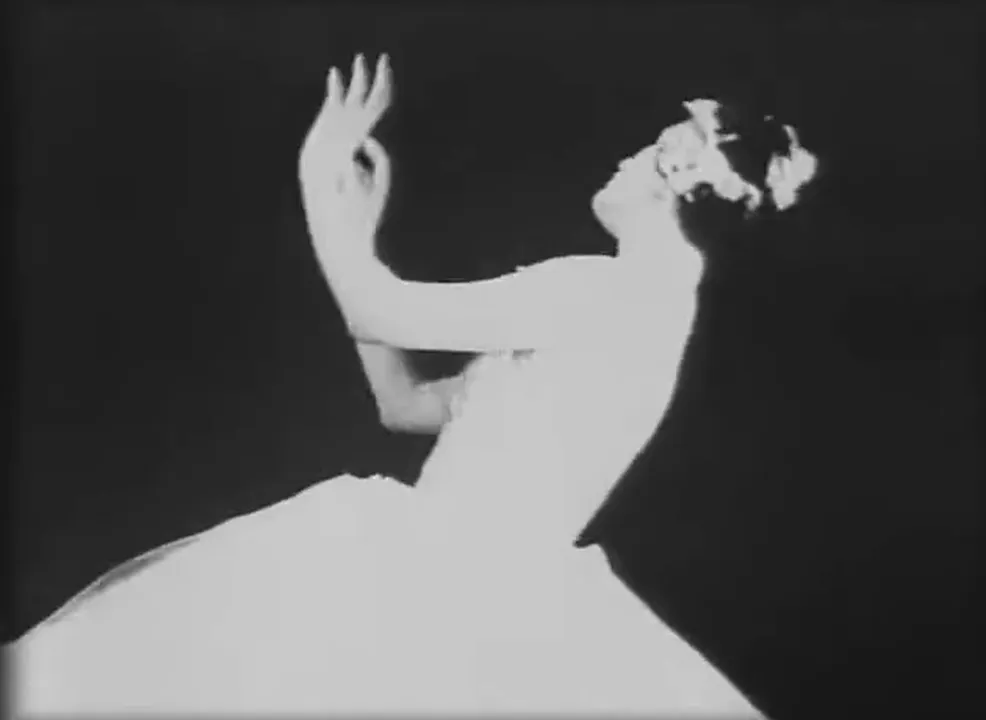
The dancer Lilian Constantini's movements are cut against close-ups of machines and shots of nature, as a theme and its variations. Dulac's working title was 'Visual theme, cinegraphic variation'.