French Impressionist cinema
Paris filmmakers of the 1920s who used close-ups, superimposition, distortion and fast cutting to put a character's feelings and memories on screen.
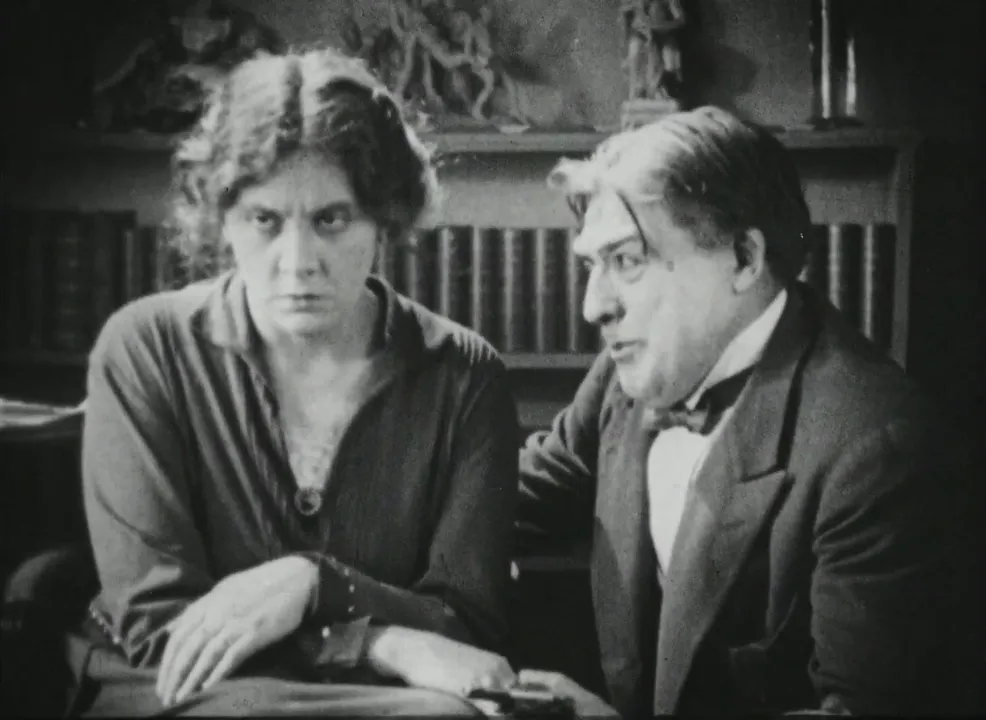
Louis Delluc's idea of photogénie, that the camera finds something in faces and things the eye misses, gave a loose group of filmmakers a shared aim, and Jean Epstein developed it in his writing. Marcel L'Herbier made El Dorado (1921), Abel Gance La Roue (1922), Epstein Coeur fidèle (1923), and Germaine Dulac The Smiling Madame Beudet (1923).
The filmmakers didn't use the label themselves: historians such as Henri Langlois and Georges Sadoul applied it later, and it is also called the first avant-garde. By the late 1920s its makers were heading elsewhere, Dulac towards abstract 'pure cinema' and Epstein to The Fall of the House of Usher (1928).
Films to start with
In the order they were made. Runtimes are approximate.
Nearby
Movements, forms and techniques that share filmmakers or methods with this one.