Hans Richter
- 1928Ghosts Before Breakfast
- 1921Rhythmus 21
- 1947Dreams That Money Can Buy
A Zurich Dadaist who set black and white squares moving on film, sent bowler hats flying out of reach, then ran a film school in New York.
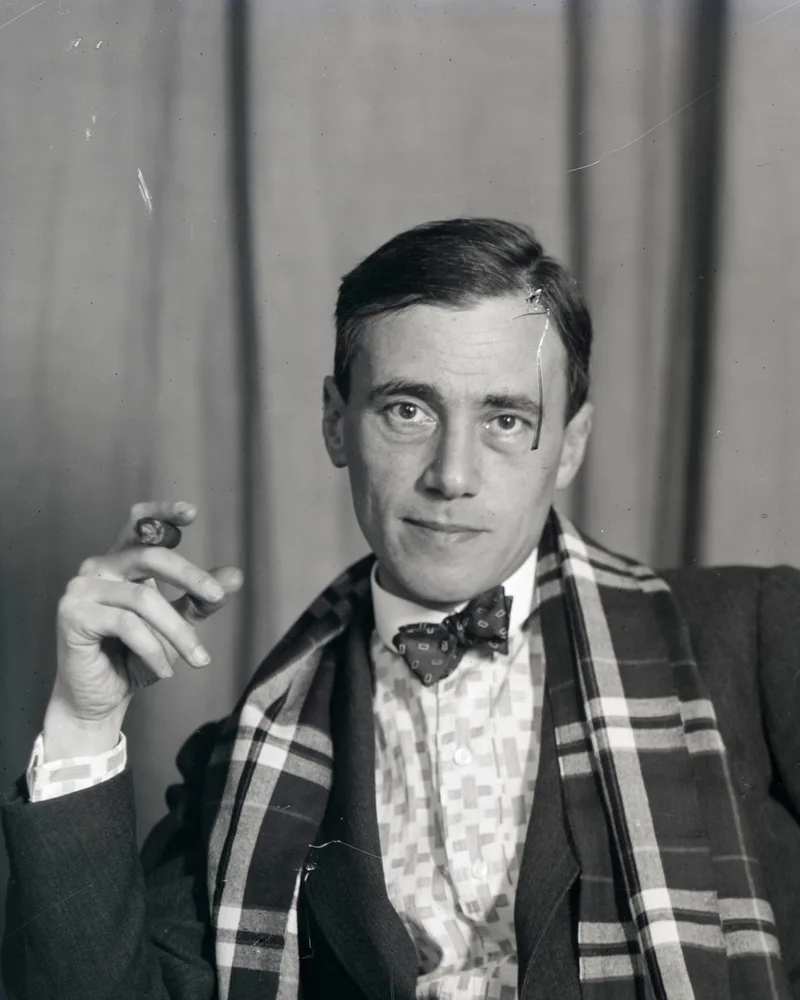
Richter grew up in a well-off Berlin family, trained as a carpenter and studied art in Berlin and Weimar. He was wounded in the First World War, discharged in 1916, and joined the Dada group in Zurich the same year. From 1918 to 1921 he worked with Viking Eggeling on scroll drawings, and Rhythmus 21 set his squares and rectangles moving on film.
From 1923 to 1926 he edited the magazine G with Werner Graeff and Ludwig Mies van der Rohe. Filmstudie (1926) was his first film to use photographed footage, and Ghosts Before Breakfast (1928), made for a music festival in Baden-Baden with a score by Paul Hindemith, turns hats, cups and ties against their owners. Under the Nazis his films were condemned as degenerate art, and he left Germany in 1933 for the Netherlands, France and Switzerland before moving to the United States.
From 1942 to 1956 he taught at the Institute of Film Techniques at City College of New York, which he ran from 1948, and he encouraged Maya Deren and Jonas Mekas. Dreams That Money Can Buy (1947), backed by Peggy Guggenheim and Kenneth Macpherson, brought in Max Ernst, Fernand Léger, Man Ray, Marcel Duchamp and Alexander Calder, and won a prize at Venice. He died in Minusio, Switzerland, in 1976.
Where to start with Hans Richter, in the order they were made. Runtimes are approximate.
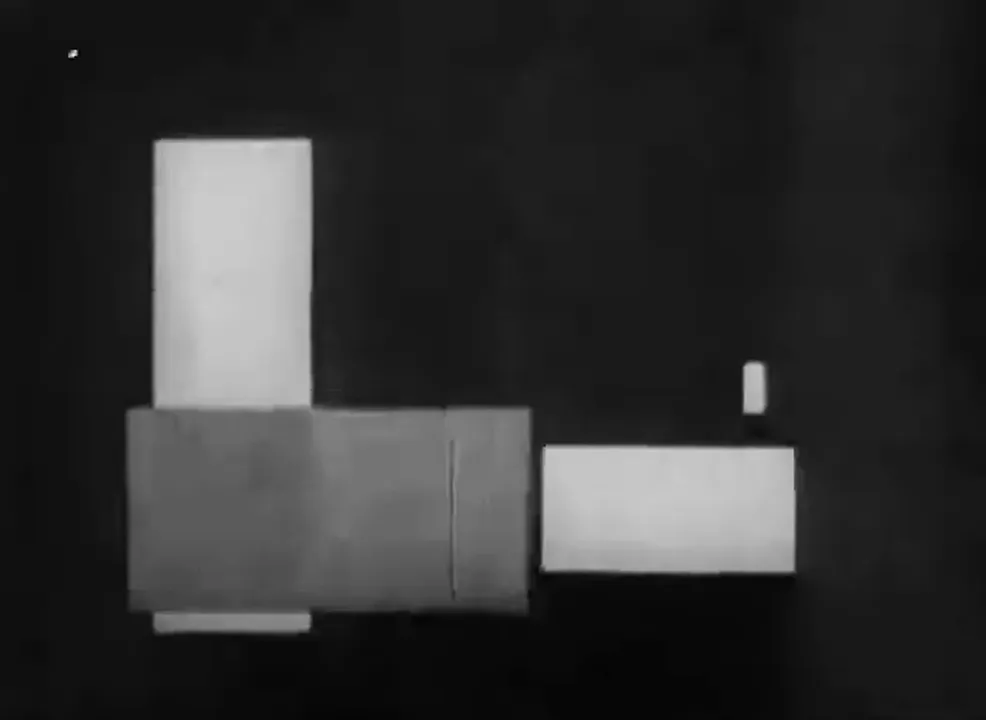
Black and white rectangles grow, shrink and slide past each other until the screen itself seems to move. Richter dated it 1921, but its first documented screening was at a Dada soirée at the Théâtre Michel in Paris in July 1923.
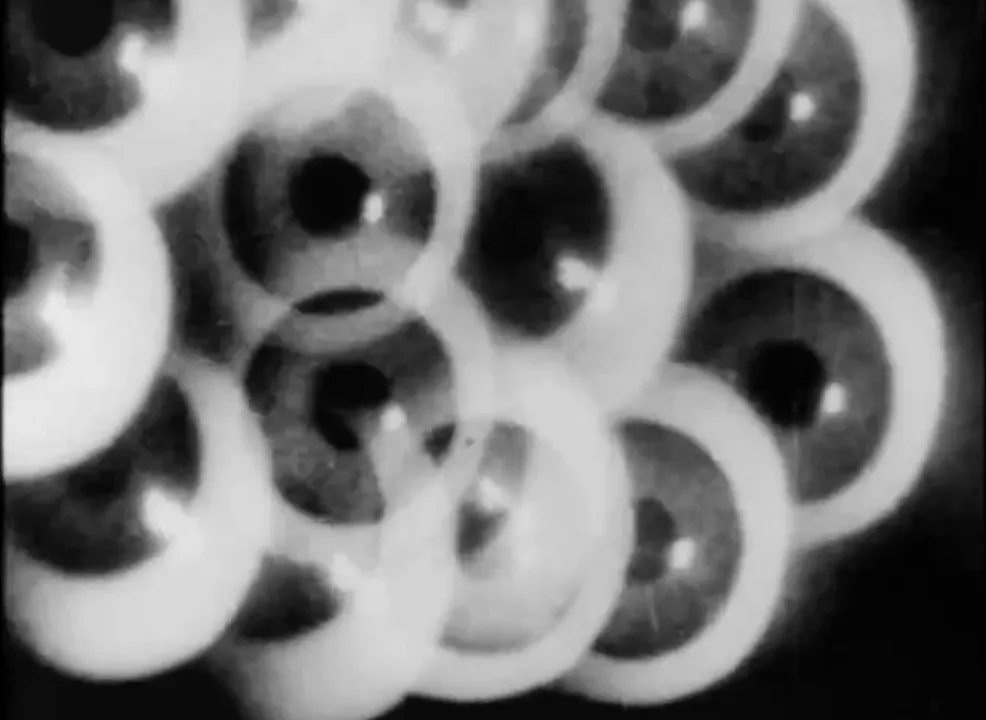
Faces in multiple exposure, floating eyeballs, birds on a pier and beams of light cut against abstract shapes in 45 short shots. It was Richter's first film to use photographed footage.
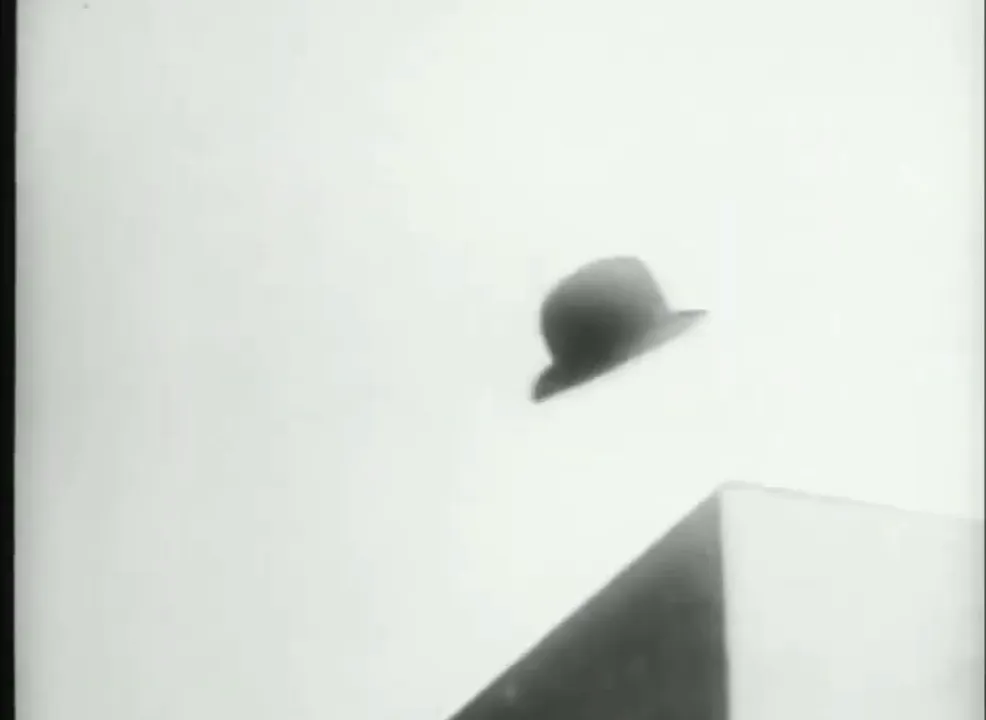
Bowler hats fly off and float out of reach, a bow tie unties itself and a clock ticks towards noon as everyday objects rebel against their owners. It was made for the 1928 music festival in Baden-Baden, and Paul Hindemith's score for it is lost.
A man named Joe finds he can see dreams in his own eyes and sells them from a New York office, each dream designed by a different artist: Max Ernst, Fernand Léger, Man Ray, Marcel Duchamp and Alexander Calder. John Cage scored Duchamp's segment, and the film won a prize at the 1947 Venice Film Festival.