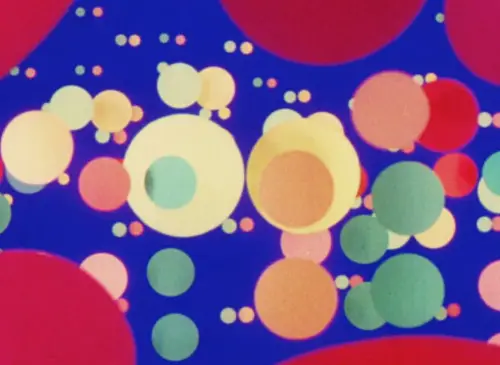
 An Optical Poem
Fantasia
Abstract animation, uncredited
Fischinger developed designs for Fantasia's opening abstract segment at Disney, then left before it was finished. His name isn't on the film.
Moving abstraction composed like music, with shape, colour and rhythm in place of melody and harmony.
The dream of a music for the eyes is older than cinema, from colour organs to painters like Wassily Kandinsky. Film made it possible: shapes could rise, fall and pulse in time with a score.
Oskar Fischinger is its central figure, from his Studies made in Berlin to his Hollywood work. Mary Ellen Bute, Norman McLaren, Jordan Belson and the Whitney brothers took the idea further, and it runs today through concert visuals and music videos.
In the order they were made. Runtimes are approximate.
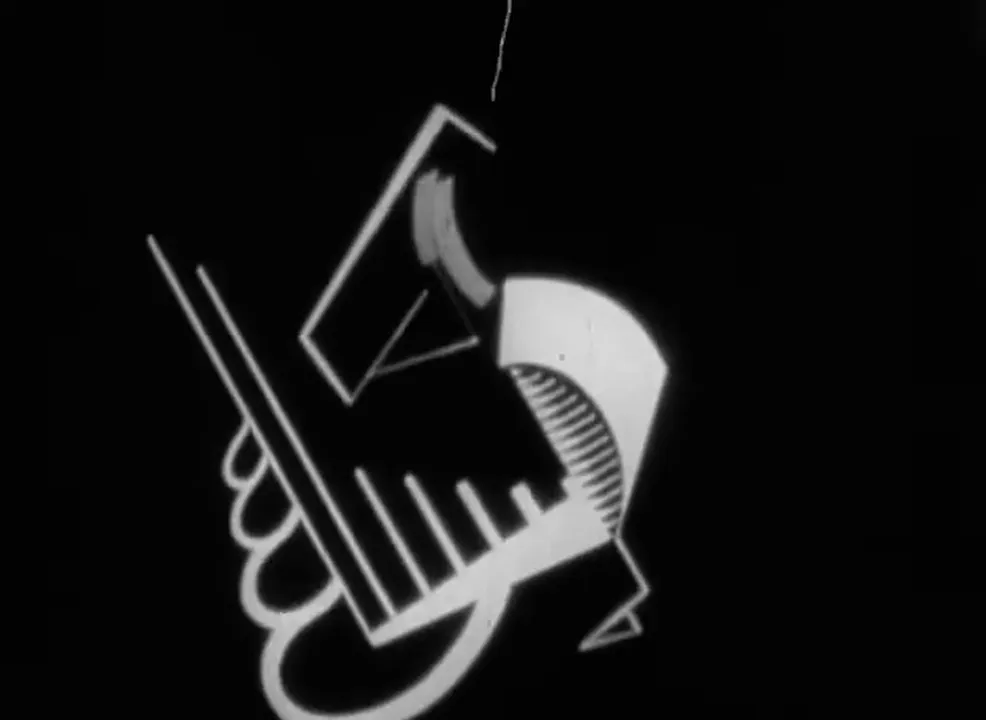
Lines, arcs and comb shapes sprout from tilted forms, vanish and start again in cycles of a second or two. Erna Niemeyer animated it from Eggeling's drawings by snipping tin-foil cut-outs a fraction at a time between frames.
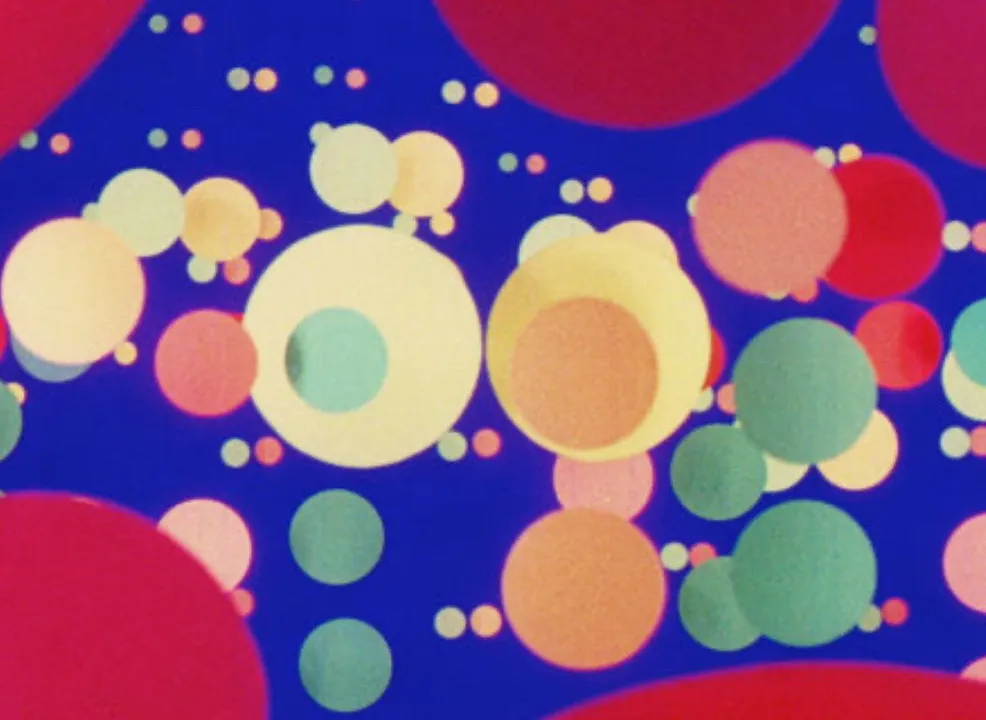
Released by MGM. Paper discs and shapes, hung on wires and filmed frame by frame, perform Liszt's Second Hungarian Rhapsody.
A single oil painting on Plexiglas, filmed after each brushstroke for nine months, unfolding to Bach's Third Brandenburg Concerto.
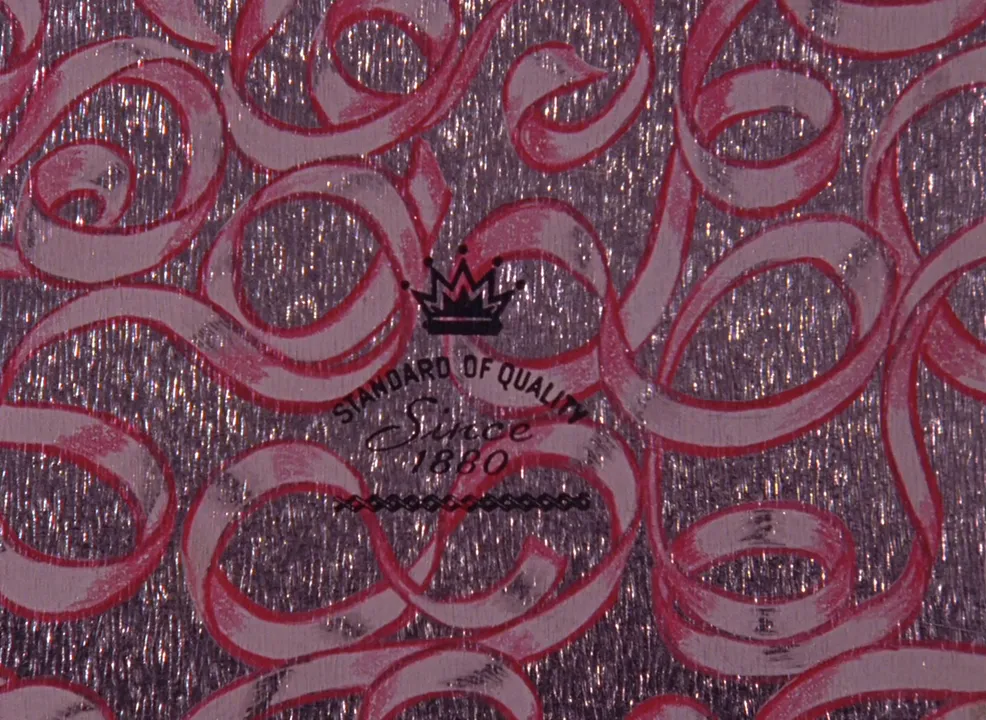
Pages from paper sample books, thrown out when the businesses that used them closed, flicker past and then hold still, one pattern tested against the next.
Lines from these films into work you may already know.
Movements, forms and techniques that share filmmakers or methods with this one.
Animation without characters or objects: pure shape, line and colour set in motion.
Animation made straight onto the film strip, painted or scratched frame by frame, with no camera involved.
The German abstract film of the 1920s: shape, line and light moved to rhythm with no story, named after absolute music.
Animation made by photographing objects or images one frame at a time, moving them a little between shots.
Animation that breaks from the cartoon: new materials, new techniques, or subjects animation isn't supposed to touch.