Norman McLaren
- 1949Begone Dull Care
- 1952Neighbours
- 1971Synchromy
He drew pictures and sound straight onto film, animated two grown men a frame at a time, and won an Oscar for a documentary that wasn't one.
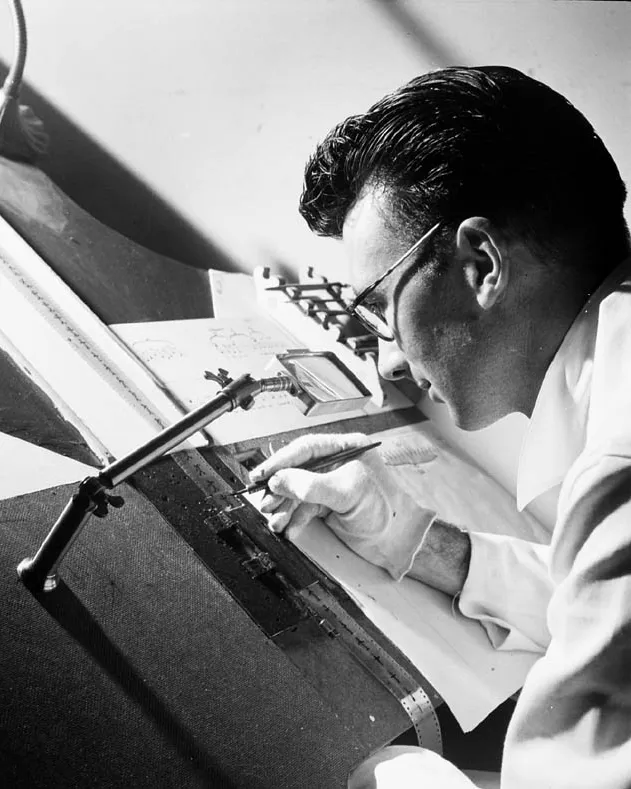
McLaren studied at the Glasgow School of Art and, with no camera to hand, scratched and painted directly onto film stock. Two of his early films won prizes at the Scottish Amateur Film Festival, where John Grierson was a judge, and Grierson hired him for the GPO Film Unit in London. He made eight films there between 1936 and 1939.
A Guggenheim grant took him to New York in 1939, where he made drawn-on-film shorts such as Boogie-Doodle (1940). In 1941 Grierson brought him to the National Film Board of Canada, and from 1943 he ran its first animation studio. With Evelyn Lambart he painted Begone Dull Care (1949) to music by the Oscar Peterson Trio, and in the summer of 1951 he shot Neighbours in a field near Ottawa with a crew of four.
For UNESCO he went to China in 1949 and India in 1952 to teach film and animation. Later films include Pas de deux (1968) and Synchromy (1971), whose soundtrack and picture are the same drawn shapes. He lived with Guy Glover, a fellow NFB producer, from 1937 until his death in 1987.
Where to start with Norman McLaren, in the order they were made. Runtimes are approximate.
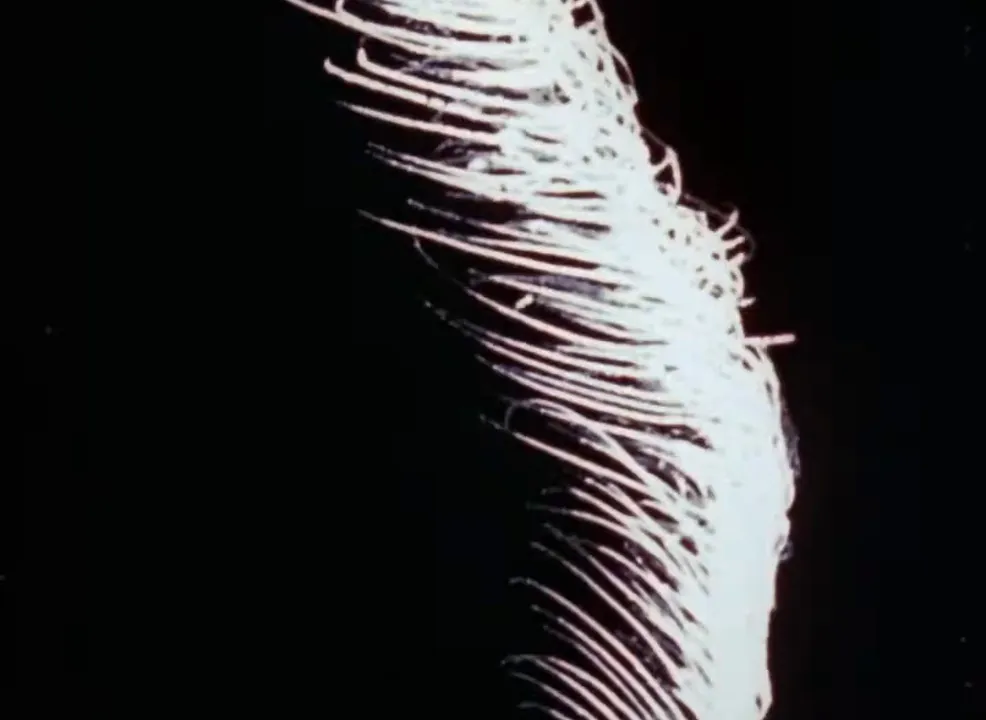
Made with Evelyn Lambart. Paint, ink and scratches on the film strip swing in time to the Oscar Peterson Trio, slowing to scratched dots for a slow middle passage. They worked in sections of about five seconds, playing each one back against the music on a Moviola.
Grant Munro and Jean-Paul Ladouceur, animated a frame at a time, live side by side in peace until a flower comes up on the line between their houses. It won the Oscar for best documentary short, and the soundtrack was drawn straight onto the film.
Margaret Mercier and Vincent Warren dance in silhouette against black, and optical printing trails each movement with copies of itself. It won the BAFTA for best animated short, and in the US it was nominated for an Oscar under the title Duo.
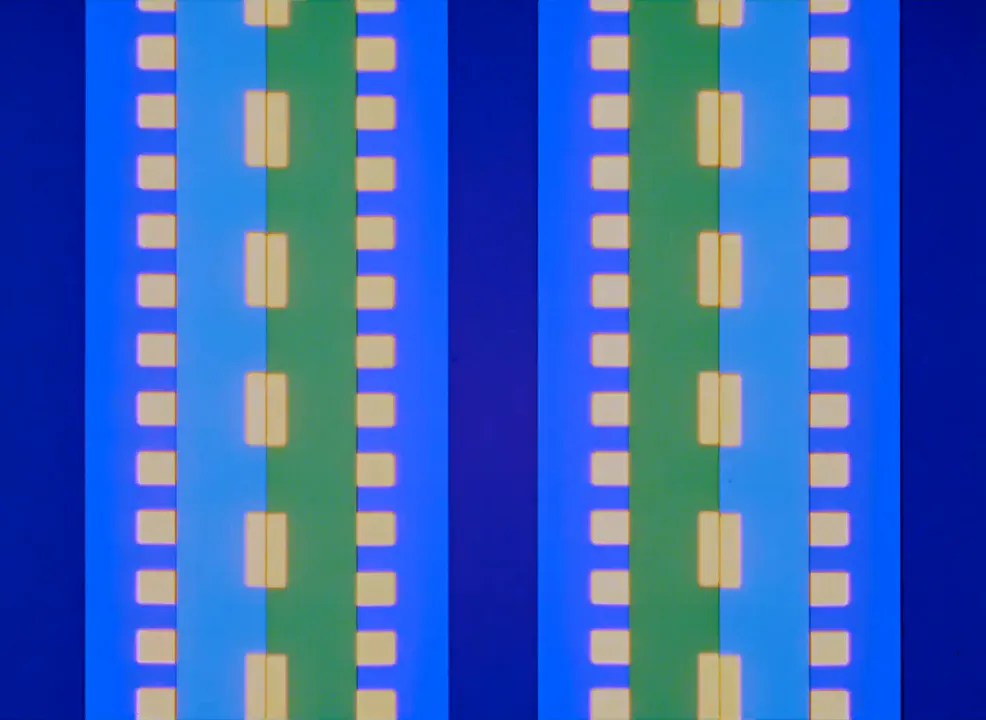
Coloured stripes and rectangles flash across the screen in time to a piano-like score. They are the score: McLaren photographed cards of lines onto the film's optical soundtrack, then printed the same shapes, coloured, in the picture.