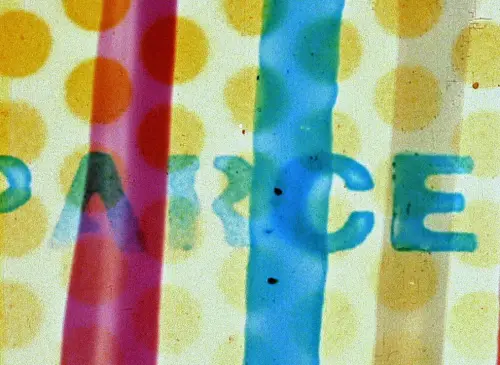
 A Colour Box
Boogie-Doodle
Paint on film, passed on
Norman McLaren saw A Colour Box in 1935 and studied it closely. Drawing and painting straight onto film became the core of his work in Canada.
Animation made straight onto the film strip, painted or scratched frame by frame, with no camera involved.
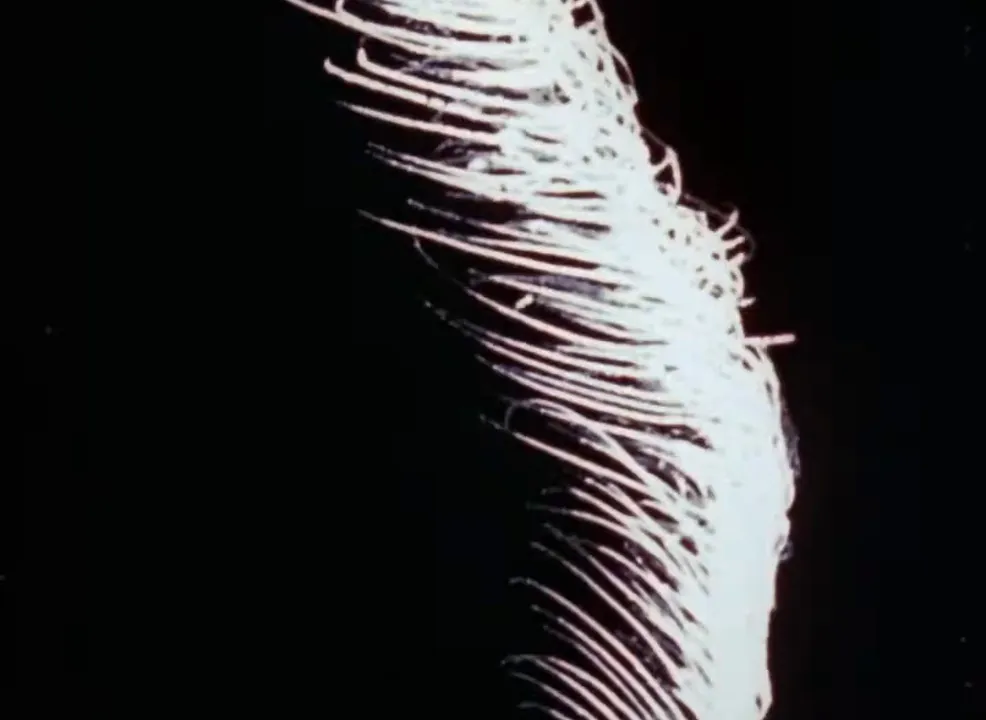
Len Lye painted A Colour Box directly onto film for the GPO Film Unit in 1935, and Norman McLaren took up the method soon after, later carrying it to the National Film Board of Canada. Lye went on to scratch white lines into black film for Free Radicals.
Because every frame is made by hand, the image never sits still: colours boil, lines jitter, and the music seems to drive the paint. It needs no camera and little money, so students and artists keep rediscovering it.
In the order they were made. Runtimes are approximate.
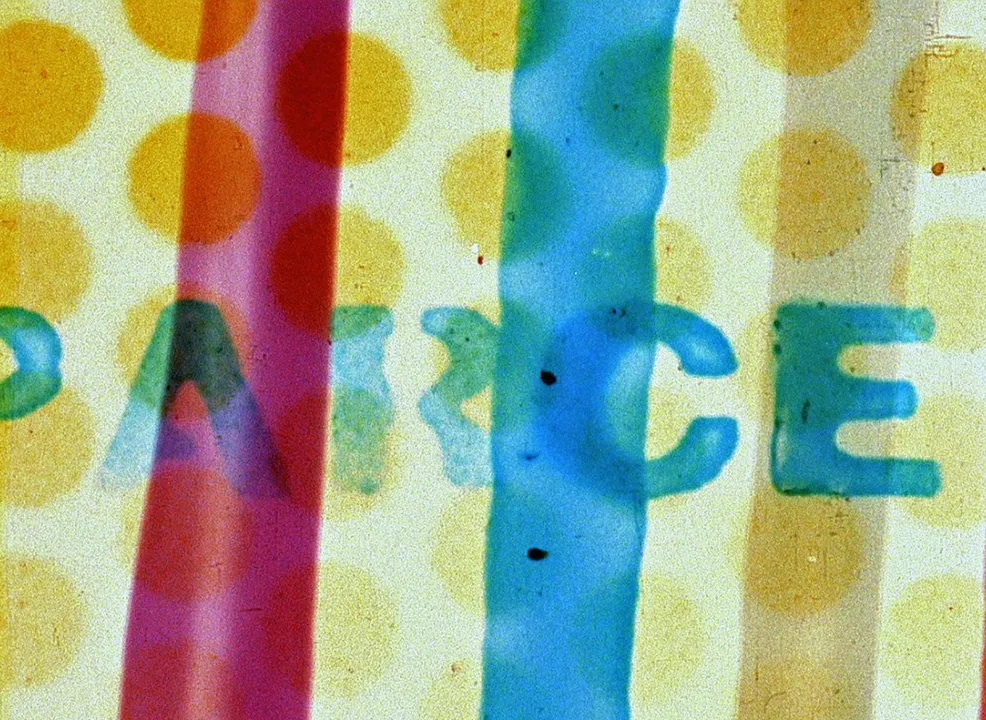
Painted straight onto the film without a camera and cut to a Cuban dance record. The GPO Film Unit released it as an advert, and the parcel post rates appear at the end.
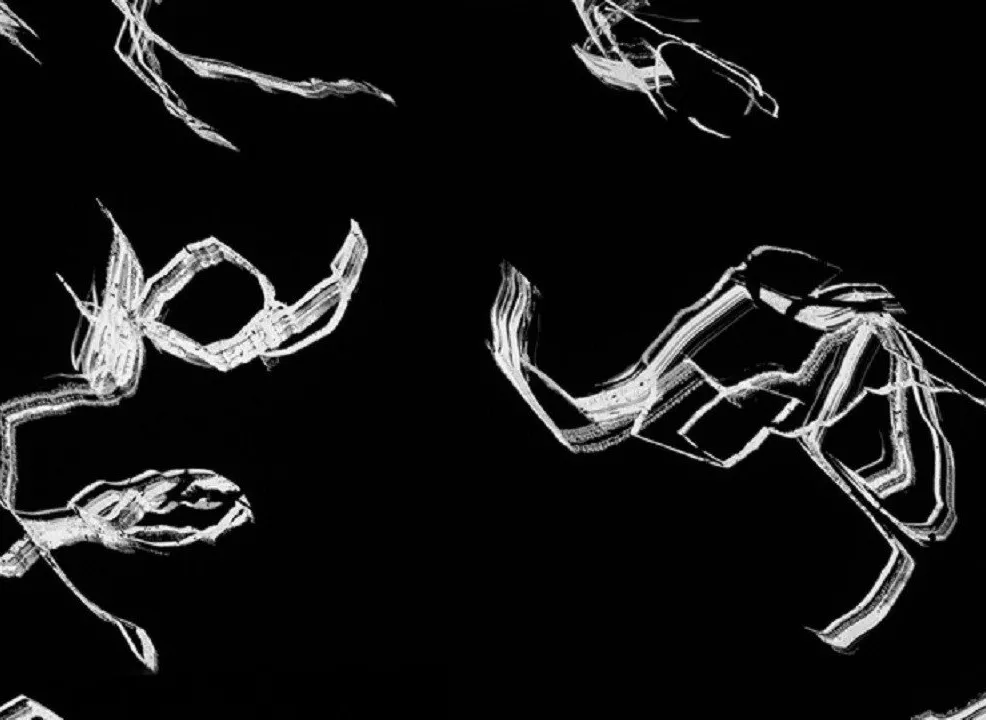
Made with Evelyn Lambart. Paint, ink and scratches on the film strip swing in time to the Oscar Peterson Trio, slowing to scratched dots for a slow middle passage. They worked in sections of about five seconds, playing each one back against the music on a Moviola.
White lines scratched into black film, jumping to African drum music. Lye cut a shorter version in 1979.
Lines from these films into work you may already know.
Movements, forms and techniques that share filmmakers or methods with this one.
Films made by working the film strip by hand: painting, scratching, collaging or processing it yourself.
Animation without characters or objects: pure shape, line and colour set in motion.
Animation that breaks from the cartoon: new materials, new techniques, or subjects animation isn't supposed to touch.
Moving abstraction composed like music, with shape, colour and rhythm in place of melody and harmony.
Sculpture that moves, driven by motors, wind or the viewer, so time becomes part of the work.
Stop-motion animation with people instead of puppets: actors hold still for each frame, so they can glide, float and slide without moving their feet.