Len Lye
- 1935A Colour Box
- 1958Free Radicals
- 1929Tusalava
Echoed in
- Boogie-Doodle1941
He painted and scratched his films straight onto the celluloid, then turned to making steel move.
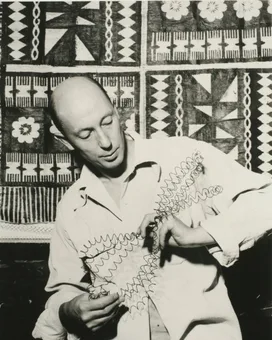
Lye grew up in Christchurch and spent his twenties in Australia and Samoa, studying Aboriginal, Māori and Pacific art. In 1926 he worked his passage to London as a coal trimmer on a steamship. The London Film Society backed his first film, Tusalava, an animated piece drawn frame by frame.
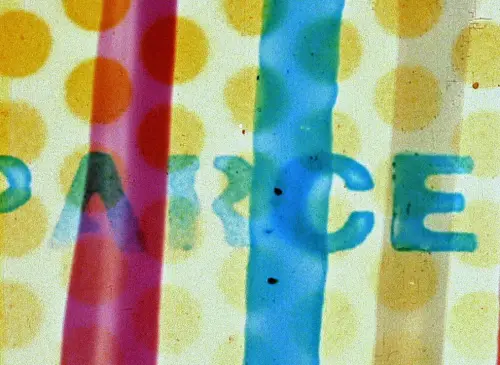
At John Grierson's GPO Film Unit he made A Colour Box in 1935 by painting straight onto the film, with no camera, and cutting it to a dance record. The Post Office used it as an advert for parcel post. Rainbow Dance and Trade Tattoo followed, with sponsors' slogans tucked into the abstraction.
He moved to New York in 1944. Free Radicals (1958), scratched into black film, won second prize at the Brussels experimental film competition that year. Lye then turned to what he called tangible motion sculpture: rods, loops and blades of steel driven by motors. The Len Lye Centre in New Plymouth, New Zealand, opened in 2015 to hold his work.
Where to start with Len Lye, in the order they were made. Runtimes are approximate.
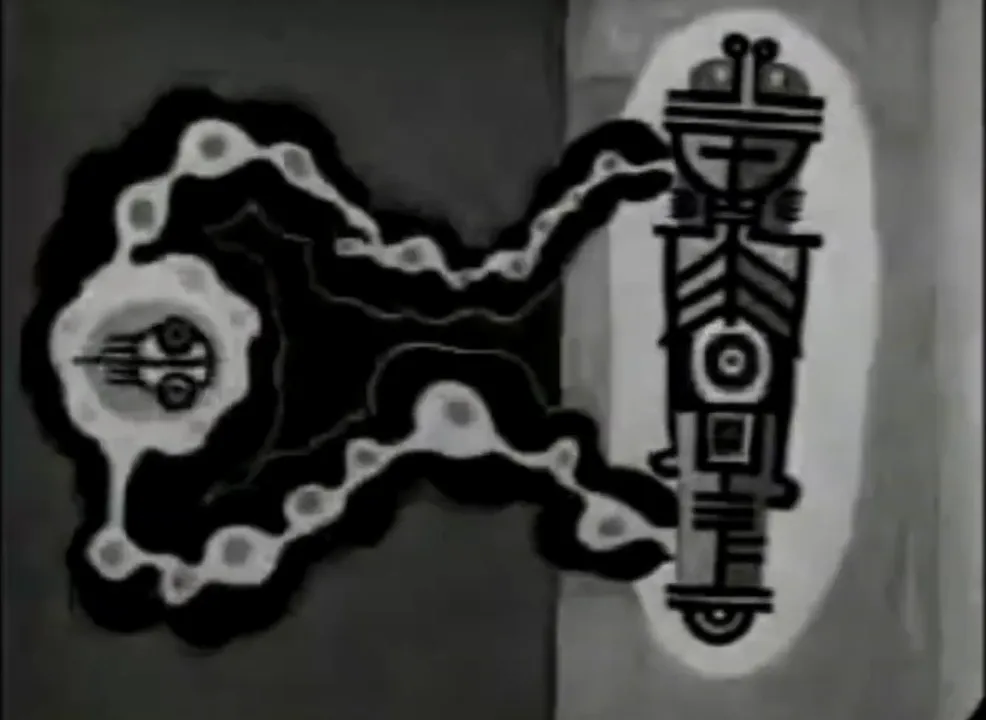
Drawn frame by frame and backed by the London Film Society. Cell-like forms grow, split and attack each other in shapes Lye took from Aboriginal and Pacific art.
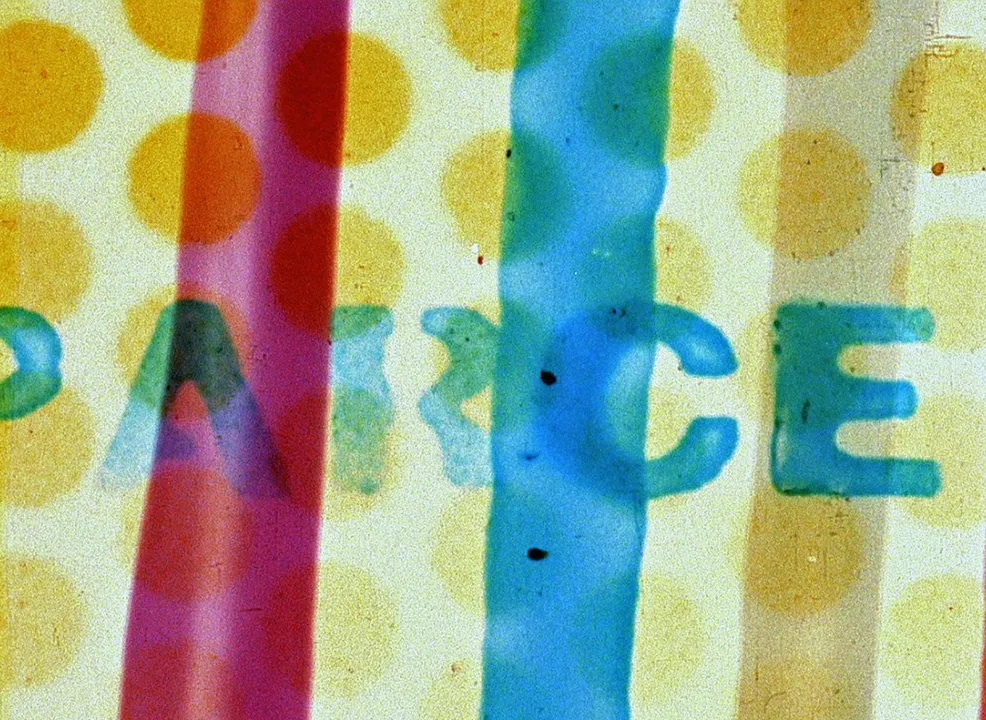
Painted straight onto the film without a camera and cut to a Cuban dance record. The GPO Film Unit released it as an advert, and the parcel post rates appear at the end.
The dancer Rupert Doone, filmed in black and white and recoloured in flat bands of Gasparcolor. It was made for the Post Office Savings Bank.
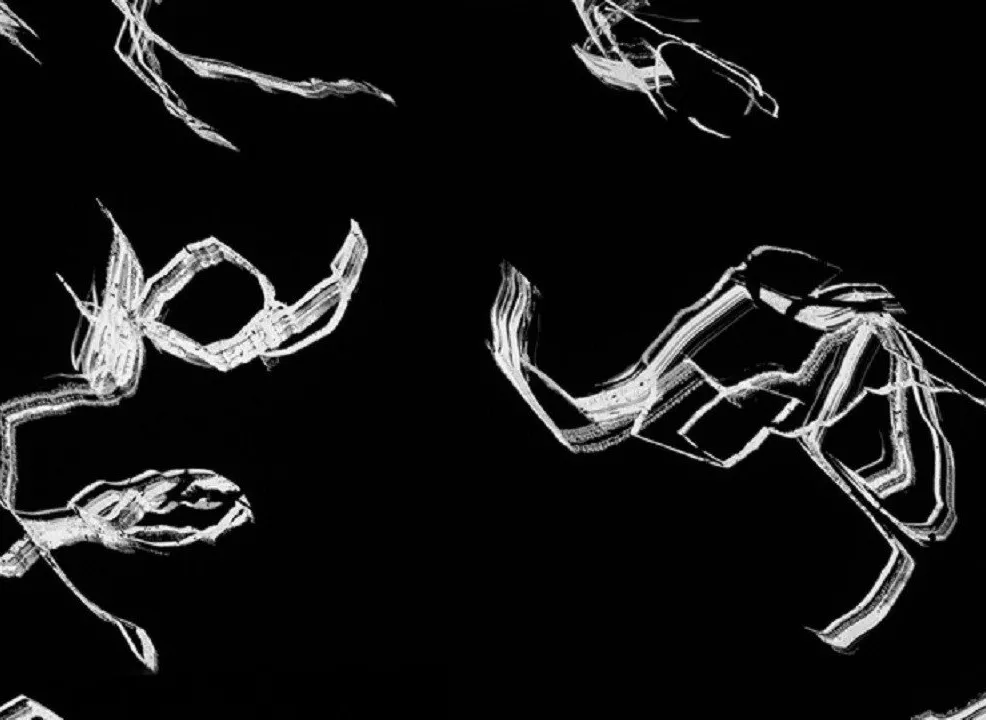
White lines scratched into black film, jumping to African drum music. Lye cut a shorter version in 1979.
Where Lye's ideas turned up next.