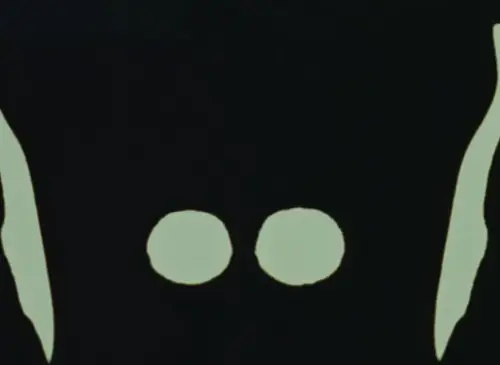
 7362
The Empire Strikes Back
From the optical printer to Hollywood
O'Neill mastered the optical printer on films like 7362, then founded Lookout Mountain Films, which did effects for two Star Wars sequels.
Rephotographing film onto film, with a projector aimed into a camera, so images can be layered, slowed, recoloured or remade.
Hollywood built optical printers for titles, dissolves and special effects. Experimental filmmakers got hold of them, often second-hand, and used them to dig into the image itself: repeating a frame, combining strips, pushing colour and grain until a picture becomes a texture.
Pat O'Neill built his own printers and layered landscapes, found footage and animation into dense, funny composites; his distributor, Canyon Cinema, says the work anticipated digital imagery. Phil Solomon used the printer to make chemically treated footage crack and crystallise.
In the order they were made. Runtimes are approximate.
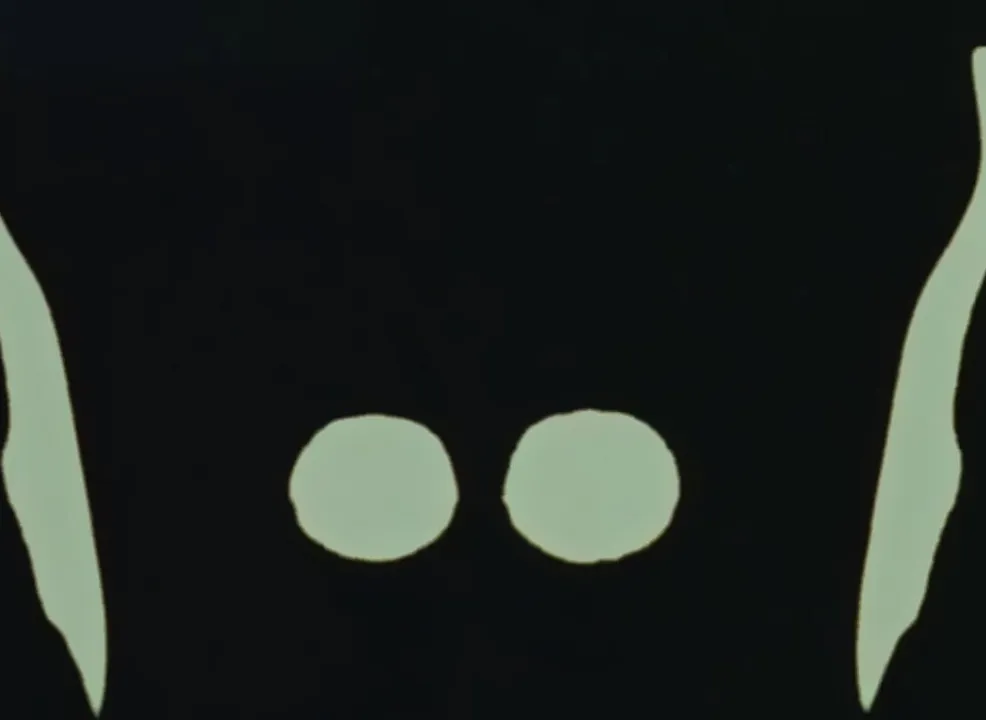
Live footage turned by optical printing and solarisation into symmetrical, Rorschach-like abstract animation. Joseph Byrd wrote most of the music.
An operating room, a waterfall, a home-movie picnic and the Great Plains, treated until they blister, set to the sound of a respirator. It is dedicated to his mother.
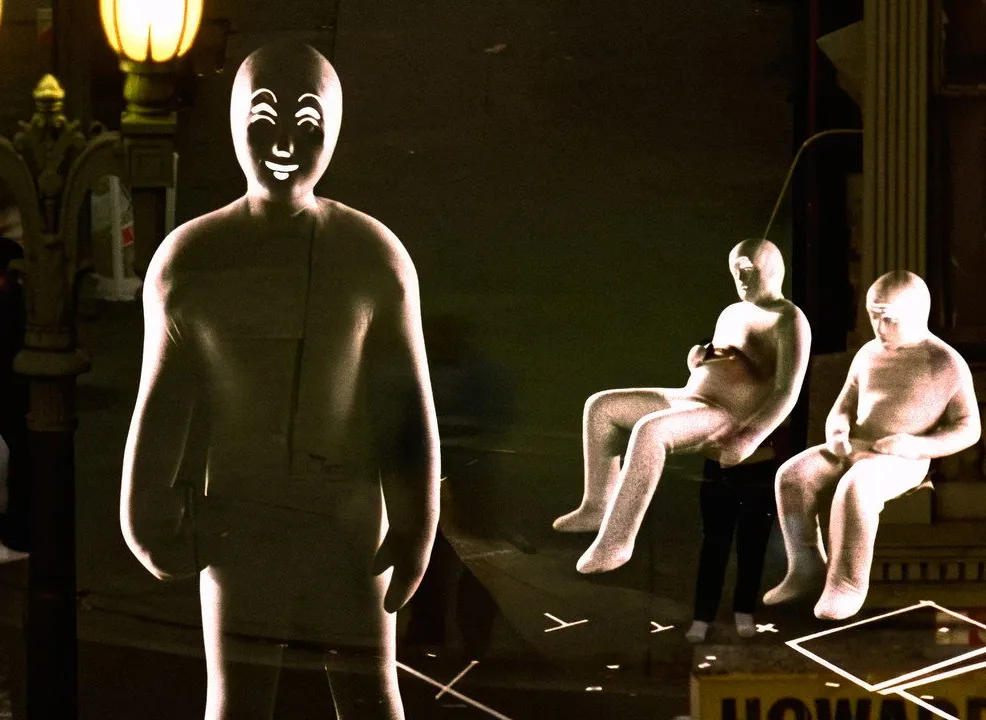
A portrait of Los Angeles and of the Owens Valley, drained for the city's water, built from layered and composited images. It won the documentary Grand Jury Prize at Sundance.
Lines from these films into work you may already know.
Movements, forms and techniques that share filmmakers or methods with this one.
Two or more images exposed onto the same frame, so they appear at once, one seen through another.
Films made with the physical materials of film, its emulsion, chemistry and printers, rather than digital tools.
Films made from footage someone else shot, such as newsreels, home movies and Hollywood outtakes, re-cut until it says something new.