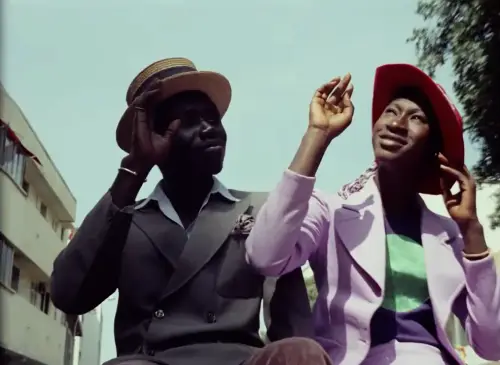
Djibril Diop Mambéty
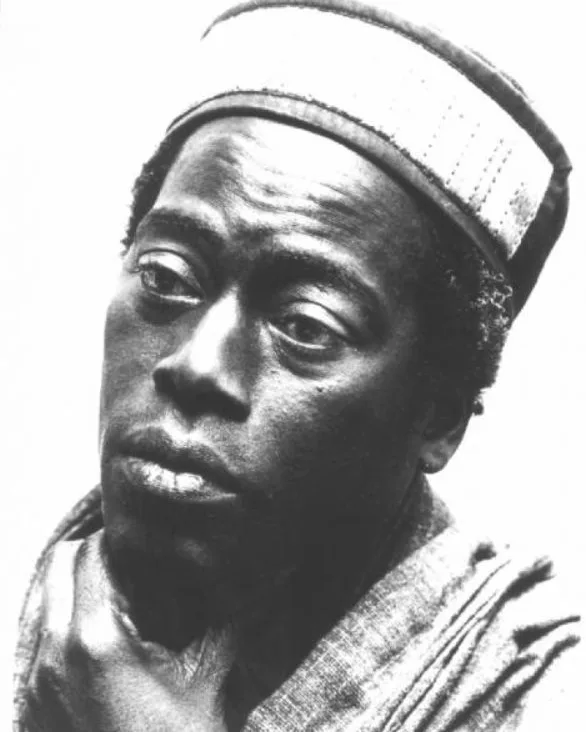
- 1973Touki Bouki
- 1992Hyenas
- 1999The Little Girl Who Sold the Sun
Fed intoOn the Run II tour
Fed intoOn the Run II tour
His Touki Bouki, about a cowherd with a zebu skull on his motorbike and a student scheming to get from Dakar to Paris, cost about $30,000 and lasted four days in Senegalese cinemas.
Mambéty was born in Colobane, a district of Dakar, the son of a Muslim cleric from the Lebou community. He trained as an actor and worked on stage at the Daniel Sorano National Theatre in Dakar until he was expelled for disciplinary reasons. With no training in film, he made the short Contras' City (1968), then Badou Boy (1970), which won the Silver Tanit at the Carthage Film Festival.
His first feature, Touki Bouki (1973), cost about $30,000, part of it from the Senegalese government. It played in the Critics' Week at Cannes and won the international critics' prize at the Moscow festival, but at home it was taken off screens after four days, according to its assistant director, Ben Diogaye Bèye. He did not make another feature for nineteen years, apart from the short Parlons Grand-mère (1989), about the shoot of Idrissa Ouédraogo's Yaaba.
Hyenas (1992), a Senegalese retelling of Friedrich Dürrenmatt's play The Visit, competed at Cannes. He then started a trilogy of shorts, Tales of Little People, with Le Franc (1994), and was editing the second, The Little Girl Who Sold the Sun, when he died of lung cancer in a Paris hospital in July 1998, at 53. His brother Wasis Diop scored his later films, and his niece Mati Diop made A Thousand Suns (2013) about Touki Bouki's lead actor, Magaye Niang.
Where to start with Djibril Diop Mambéty, in the order they were made. Runtimes are approximate.
Mambéty and a French woman, Inge Hirschnitz, bicker while a horse-drawn cart takes them through Dakar, past colonial government buildings, Muslims praying on the pavement and craftsmen's stalls by the market.
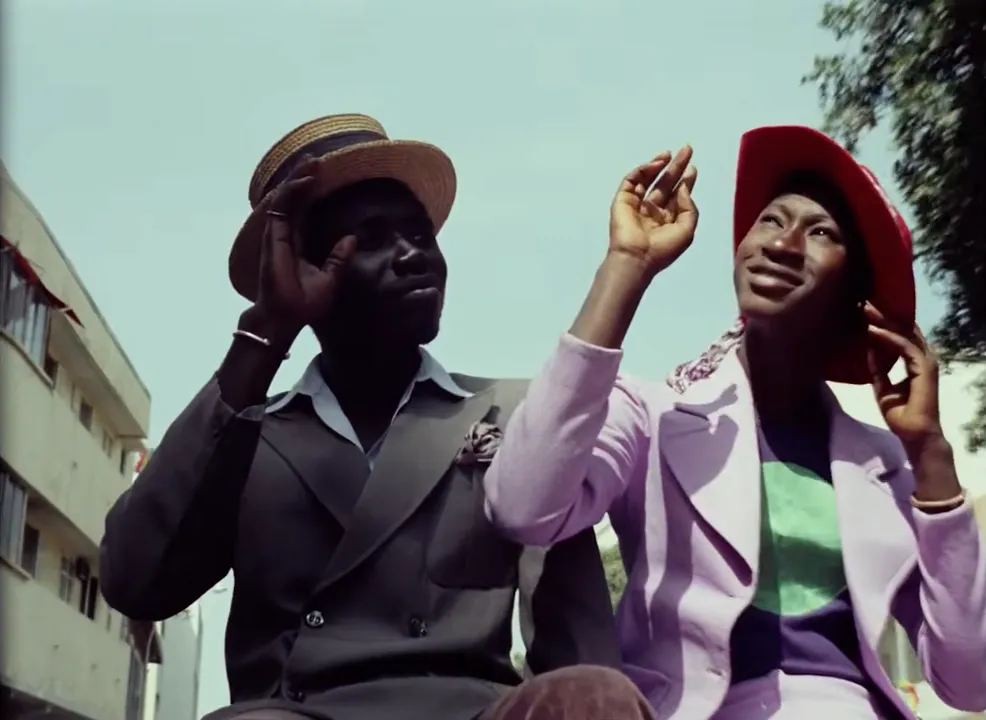
Mory, a cowherd who rides a motorbike with a zebu skull on the handlebars, and Anta, a student, hustle for the fare to Paris while a few seconds of Josephine Baker singing about Paris skip on a record. In 2008 the World Cinema Foundation restored it from the original 35mm negatives, kept in Paris and provided by Mambéty's son.
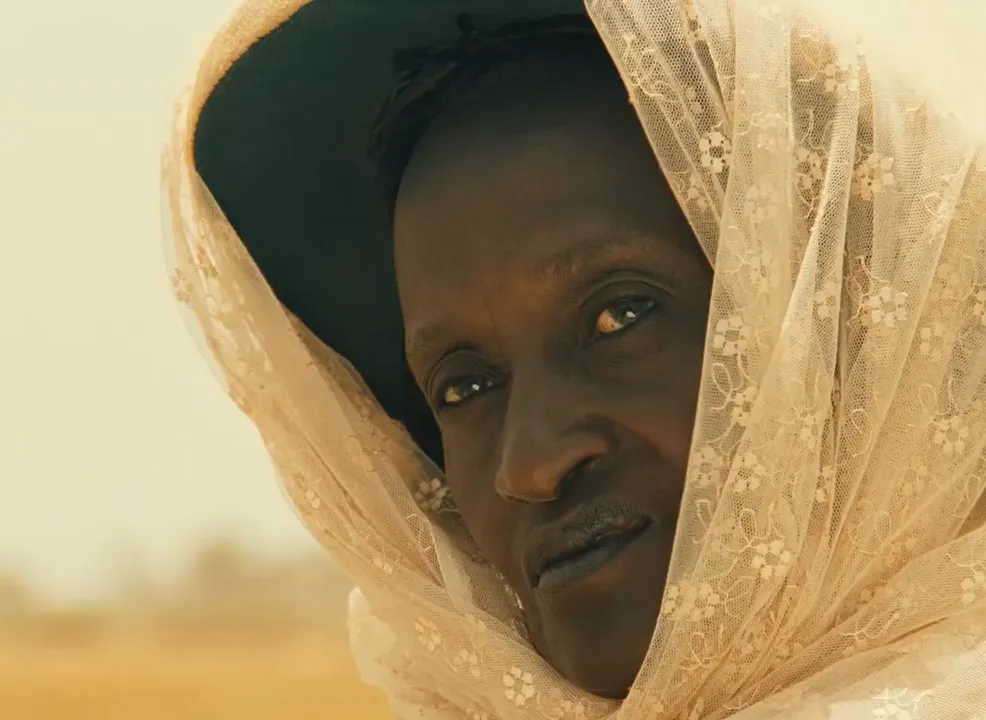
Linguère Ramatou comes home to Colobane "as rich as the World Bank" and offers the town a fortune in exchange for the death of Dramaan Drameh, the shopkeeper who left her pregnant at 16. Adapted from Dürrenmatt's The Visit, it competed for the Palme d'Or, and Mambéty plays a small part himself.
Sili, a girl on crutches who begs on the streets of Dakar, gets knocked down by the newspaper boys and decides to sell the daily paper Le Soleil herself. Mambéty died during the edit, and it premiered at Rotterdam in February 1999, dedicated to the courage of street children.
Where Mambéty's ideas turned up next.